
 Worksheets
Phylum Arthropoda Review
Total questions: 25
Worksheet time: 13mins
Which of the following is the largest phylum of animals?
cnidarians
vertebrates
arthropods
mollusks
porifera
The protective outer layer of an arthropod that provides support and strength is called the
endoskeleton
exoskeleton
shell
epidermis
What does an exoskeleton act like?
suit of clothes
closed system
suit of armor
gills
The claw-like mouth-parts of a spider are called
mandible
antenna
chelicerae
cephalothorax
The two body regions of an arachnid (spider) and a crustacean (crayfish) are the
head and thorax
cephalothorax and abdomen
thorax and abdomen
head and abdomen
An arthropod with six legs, 3 body regions, two antennae, with or without wings is called a(n)
insect
arachnid
crustacean

Which letter represents the caterpillar becomes a pupa?
A
B
C
D
E
Which letter represents the larva hatches from an egg?
A
B
C
D
E
Which letter represents the adult laying eggs?
A
B
C
D
E
One of these is not a characteristic that Arthropods share
segmented body with specialized parts
jointed legs
radial symmetry
exoskeleton
well developed nervous system
Which of these arthropods has two pairs of antennae, 2 body regions, eyes on eyestalks, and are mostly aquatic
centipedes and millipedes
crustaceans
arachnids
insects
Which of these arthropods has two pair of short legs per segment, many segments, short antennae, and is a scavenger.
Diplopoda (millipedes)
Crustaceans (crayfish)
Arachnids (spiders)
Chilopoda (centipedes)
Insects
During incomplete metamorphosis, a nymph sheds its skin so it can grow through a process called
painting
melting
molting
changing
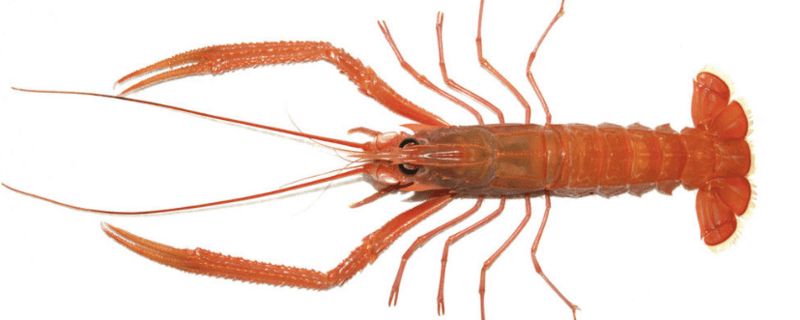
Arthropods have ____________ symmetry.
radial
no
bilateral
Which of these arthropods has 4 pairs of legs on its cephalothorax, chelicerae, no wings, and spinnerets to make silk.
Diplopoda (millipedes)
Crustaceans (crayfish)
Arachnids (spiders)
Chilopoda (centipedes)
Insects
Which of these arthropods has 1 pair of long legs on each segment, long antennae, and poison claws used to catch its prey?
Diplopoda (millipedes)
Crustaceans (crayfish)
Arachnids (spiders)
Chilopoda (centipedes)
Insects
Which are the stages of complete metamorphosis? Check ALL that apply:
Adult
Egg
Larva
Nymph
Pupa
During which stage of complete metamorphosis is the insect an "eating machine", can't fly or reproduce, and does not resemble the adult?
Adult
Egg
Larva
Nymph
Pupa
During which stage of incomplete metamorphosis is the insect a mini version of the adult but can't fly or reproduce?
Adult
Egg
Larva
Nymph
Pupa
Which of the following are stages of incomplete metamorphosis? Check ALL that apply:
Adult
Egg
Larva
Nymph
Pupa
The three body regions of an insect are
head and abdomen
cephalothorax and abdomen
thorax and abdomen
head, thorax, and abdomen

Mites, harvestmen, ticks, scorpions, spiders =
Class Arachnida
Class Chilopoda
Class Crustacea
Class Diplopoda
Class Insecta

Lobster, shrimp, crayfish, barnacles, pill bugs =
Class Arachnida
Class Chilopoda
Class Crustacea
Class Diplopoda
Class Insecta

Butterfly, bees, moths, mosquitoes, beetles, stink bugs, wasps, dragonfly, ants, fleas, grasshopper =
Class Arachnida
Class Chilopoda
Class Crustacea
Class Diplopoda
Class Insecta
Which arthropod has excellent vision, lives in the ocean, and has blue blood which is used to test for bacterial contamination of different products?
Blue crab
Lobster
Shrimp
Horseshoe crab
Hermit crab

