wayground logo

Free Printable Worksheets

Font size

S
M
L
XL
Worksheets

Stuff we don't know well STAAR review

Total questions: 200

Worksheet time: 3hrs 50mins

Name
Class
Date
1.
What is the name of the mountain range located on the west side of the United States?
a)
Atlas Mountains
b)
Rocky Mountains
c)
Sierra Madre
d)
Appalachian
2.
What is physical region 2?
a)
Pacific Coast
b)
Coastal Plains
c)
Rocky Mountains
d)
Interior Plains
3.
What is geographic feature letter L?
a)
Rocky Mountains
b)
Appalachian Mountains
c)
Pacific Ocean
d)
Atlantic Ocean
4.

What is the long river the starts in Minnesota and empties into the Gulf of Mexico at #4?

a)

Rio Grande

b)

Mississippi River

c)

Niagara River

d)

Colorado River

5.

What is the older mountain range in the US at #8?

a)

Rocky Mountains

b)

Appalachian Mountains

c)

Ozark Mountains

d)

Catskill Mountains

6.

New York, NY is _________.

a)

6

b)

7

c)

8

d)

4

7.
What is geographic feature letter E?
a)
Ohio River
b)
Mississippi River
c)
Missouri River
d)
Colorado River
8.

Focus on the interests of one's region.

a)

Sectionalism

b)

Carpetbagger

c)

Secede

d)

Conscription

9.

To withdraw from a larger unit one belongs to.

a)

Secede

b)

Blockade

c)

Sovereign

d)

Freedmen

10.

Using naval vessels to prevent shipment of food and supplies into or out of ports.

a)

Blockade

b)

Sovereign

c)

Conscription

d)

Secede

11.

A white Southerner who supported Reconstruction.

a)

Scalawag

b)

Unionist

c)

Sovereign

d)

Sectionalism

12.

Laws limiting the rights of African Americans passed by Southern governments after the Civil War.

a)

Black Codes

b)

Secede

c)

Sectionalism

d)

Home Front

13.

Which was the 1st State to secede?

a)

California

b)

South Carolina

c)

Texas

d)

Mississippi

14.
Where were the first shots of the Civil War fired?
a)
Bull Run
b)
Fort Sumter
c)
Gettysburg
d)
Washington, D.C.
15.
Which battle marked the turning point of the war for the Union?
a)
Gettysburg, PA
b)
Bull Run
c)
Atlanta, GA
d)
Appomattox Courthouse, VA
16.
At the end of the war, where did Robert E. Lee surrender to Ulysses S. Grant?
a)
Bull Run
b)
Atlanta, GA
c)
Gettysburg
d)
Appomattox Court House, VA
17.
This was the Union's final effort to crush the South's fighting spirit...
a)
The Battle of Fort Sumter
b)
Sherman's March to the Sea
c)
The Anaconda Plan
d)
The Battle of Bull Run
18.
Which of the following was NOT a major cause of the Civil War?
a)
railroads
b)
tariffs
c)
Compromise
d)
slavery
19.
Who was President of the Confederate States of America?
a)
Abraham Lincoln
b)
Jefferson Davis
c)
Robert E. Lee
d)
Ulysses S. Grant
20.
This Union general led the North to victory over the Confederates.
a)
Ulysses S. gRANT
b)
Robert E. Lee
c)
William Tecumseh Sherman
d)
Harriet Tubman
21.
Who was President of the Union (North) during the Civil War?
a)
John Brown
b)
Harriet Beecher Stowe
c)
Jefferson Davis
d)
Abraham Lincoln
22.
This person earned a nickname for his bravery when facing the enemy
a)
Jefferson Davis
b)
Thomas "Stonewall" Jackson
c)
Robert E. Lee
d)
Ulysses S. Grant
23.
Who wrote Uncle Tom's Cabin?
a)
Harriet Tubman
b)
Abraham Lincoln
c)
Frederick Douglass
d)
Harriet Beecher Stowe
24.
This person led a raid at Harper's Ferry, VA in an attempt to rob the armory and steal weapons to fight against slavery.
a)
Abraham Lincoln
b)
Nat Turner
c)
John Brown
d)
Harriet Tubman
25.
Who was the Confederate general?
a)
Robert E. Lee
b)
Ulysses S. Grant
c)
Abraham Lincoln
d)
George Washington
26.
American Revolution?
a)
1770-1776
b)
1775-1783
c)
1776-1783
d)
1775-1781
27.
War of 1812?
a)
1811-1812
b)
1812-1814
c)
1814-1815
d)
1812-1815
28.
Civil War Year?
a)
1861-1865
b)
1860-1865
c)
1861-1864
d)
1860-1863
29.
Declaration of Independence?
a)
July 2, 1776
b)
July 4, 1777
c)
August 2, 1776
d)
July 4, 1776
30.
Emancipation Proclamation became effective on?
a)
Jan. 1, 1863
b)
Jan 1, 1864
c)
Sept 19, 1862
d)
Feb 1, 1863
31.
Lousiana Purchase
a)
1801
b)
1802
c)
1803
d)
1804
32.
13th Amendment?
a)
1860
b)
1863
c)
1865
d)
1867
33.
Constitution was created in?
a)
1787
b)
1788
c)
1789
d)
1790
34.
Texas Annexed (added to US)
a)
1836
b)
1845
c)
1846
d)
1847
35.

Founding of Jamestown, first permanent English settlement in North America

a)

1607

b)

1620

c)

1492

d)

1689

36.

Pilgrims land at Plymouth and write the Mayflower Compact to establish self-government

a)

1607

b)

1619

c)

1700

d)

1620

37.

Great Britain draws the Proclamation Line banning settlement west of the Appalachian Mountains

a)

1757

b)

1763

c)

1770

d)

1773

38.

Treaty of Paris - Britain recognizes America's independence

a)

1776

b)

1881

c)

1783

d)

1787

39.

The Constitutional Convention writes the U.S. Constitution

a)

1783

b)

1787

c)

1800

d)

1776

40.

California Gold Rush

a)

1840

b)

1846

c)

1849

d)

1853

41.

Confederate attack on Fort Sumter begins the Civil War

a)

1860

b)

1861

c)

1862

d)

1864

42.

Lee surrenders at Appomattox Court House, ending the Civil War

a)

1864

b)

1865

c)

1867

d)

1870

43.

The Europeans were searching for

a)

a long route to Asia

b)

a shortcut to Asia

44.

The sea route that explorers looked for became known as

a)

Columbian Exchange

b)

Northwest Passage

45.

Why did European explorers search for a Northwest passage?

a)

They wanted a fast way to bring back riches from Asia.

b)

They wanted to go on vacation

46.
Henry Hudson's goal was to find____________.
a)
The North Pacific Ocean
b)
Gold, for Holland could become a wealthy country 
c)
The Northwest Passage and a shorter route to Asia
d)
The Fountain of Youth
47.
Hudson discovered a large body of water that was named after him called the __________.
a)
Hudson Ocean
b)
Hudson Lake
c)
Hudson Bay
d)
Hudson Creek
48.
The following are accomplishments of Henry Hudson:
a)
Sailed up the Hudson River near New York. He claimed the area for Holland.
b)
 Explored the Caribbean and the West Indies.
c)
Explored and discovered Puerto Rico and Florida.
d)
Explored North America's east coast for England
49.
This photo represents?
a)
Laissez Faire
b)
Great Depression
50.
The Civil War was originally fought over what?
a)
Slavery
b)
Taxes
c)
Secession
d)
Imports/Exports
51.
Which of the following words means that a person places the interests of a small area over the interests of the entire country?
a)
Nationalism
b)
Sectionalism
c)
Popular Sovereignty
d)
Secession
52.
What idea was introduced by the Compromise of 1850?
a)
Popular Sovereignty
b)
Sucession
c)
Limited Government
d)
Fugitive Slave Law
53.
What word means that the people have the power to choose their own government and they give it power to make appropriate laws?
a)
Union
b)
Popular Sovereignty
c)
Secession
d)
Referendum
54.
Who is the slave that brought his case all the way to the Supreme Court trying and gain his freedom?
a)
Stephen Douglas
b)
Harriet Tubman
c)
Dred Scott
d)
Fredrick Douglas
55.
The formation of national labor unions in the late 1800s was mainly a response to --
a)
the passage of federal laws favoring workers
b)
new laws restricting immigration and naturalization
c)
poor working conditions and low wages in may industries
d)
economic depression that led to high unemployment
56.
The ____________________ made it easier to travel, communicate, and trade. 
a)
Comstock Lode
b)
Transcontinental Railroad
c)
Vigilantes
d)
Chinese Exclusion Act
57.
Workers who built the railroads were mainly
a)
homesteaders and cowboys
b)
Chinese and Irish
c)
Russian and Irish
d)
Mexican and Chinese
58.
Who developed an efficient technique for transforming iron into steel?
a)
Edwin L. Drake
b)
Alexander Graham Bell
c)
Henry Bessemer
d)
Thomas Edison
59.
The Union Pacific Railroad employed thousands of ___?___ immigrants.
a)
Irish
b)
German
c)
Chinese
d)
Japanese
60.

Freedom of the Press

a)

1st

b)

5th

c)

8th

d)

10th

61.

Granted women's suffrage

a)

2nd

b)

7th

c)

19th

d)

18th

62.

Granted all male suffrage

a)

13th

b)

15th

c)

17th

d)

21st

63.

Defines citizenship

a)

1st

b)

12th

c)

13th

d)

14th

64.

Abolished slavery

a)

12th

b)

13th

c)

14th

d)

15th

65.

State's Rights Amendment

a)

10th

b)

11th

c)

12th

d)

13th

66.
Why did the British Colonists rebel and fight with England?
a)
Disagreement over boundaries
b)
Not being represented in British Parliament
c)
Wanting to make its own laws
d)
Wanting to move back to England
67.
Which document came first, the US Constitution or the Article of Confederation?
a)
Article of Confederation
b)
Constitution
68.
Which European country colonized mostly in the central party of North America?
a)
Portugal
b)
Spain
c)
France
d)
England
69.
Which of the following colony was known as a debtors colony
a)
Georgia
b)
Maryland
c)
Pennsylvania
d)
Florida
70.
Maryland was a safe place for what religious group?
a)
Catholics
b)
Quakers
c)
Puritans
d)
Christians
71.
Due to the distance of the king, the need to keep order, and the need to protect their English rights, what did the English colonists create?
a)
Colonists created a system of mercantilism.
b)
Colonists created systems of representative governments.
c)
Colonists created an organized military.
d)
Colonists created a central banking system for trade.
72.
Which event caused the English Government to start taxing the colonies and passing laws that were "intolerable" to the colonists?
a)
Spanish American War
b)
French and Indian War
c)
King Phillip's War
d)
American Revolution
73.
"The living conditions are horrible. Friends are dying each day. I have not eaten in 3 days and see no hope in sight. Jimmy died in his sleep yesterday. They say it was from pneumonia" -American Revolution Soldier. 
What event is this soldier describing?
a)
Battle of Saratoga
b)
Battle of Yorktown
c)
2nd Continental Congress
d)
Winter at Valley Forge
74.
What was NOT a weakness to the Articles of Confederation.
(Note: Federal = National)
a)
States did not have to give taxes to federal government.
b)
Congress gave states an equal vote in the Federal government
c)
Each state printed its own money.
d)
The Confederation did not have a national leader.
75.
Under the Articles of Confederation, who controlled most of the power in the government?
a)
Federal Government
b)
State Governments
76.
The Articles of Confederation were structured the way they were because the former colonies feared...
a)
a strong government ruled by one person
b)
poor citizens having a voice in government
c)
colonies having trouble working together.
d)
the rights of Englishmen
77.
South Carolina used the _______ _______ to declare taxes on imports unconstitutional as a states right.
a)
Nullification Crisis
b)
Foreign Conflict
c)
Native Conflict
d)
Unreasonable Conflict
78.
Andrew Jackson was viewed as a person for 
a)
The Common Man
b)
The Decision Maker
c)
The Innocent Man
d)
The Same
79.

Who authored the American System?

a)

Clay

b)

Pinckney

c)

Monroe

d)

Madison

80.

How was money to be controlled in the American System?

a)

National Bank

b)

Loan houses

c)

States

d)

Mints

81.
What was the Second Great Awakening? 
a)
Religious Revival 
b)
A major decline in religion
c)
Increased effort of embargo and tariffs 
d)
Alliances made with other countries
82.
What movement was started because of alcohol abuse in America?
a)
Women's Rights
b)
Abolition
c)
Temperance 
d)
Prison reform
83.
What does REFORMATION mean? 
a)
Changing society
b)
Passing of laws
c)
Church attendance
d)
Increasing factories
84.
Susan B. Anthony was a major reformation leader for what cause? 
a)
Suffrage
b)
The US debt
c)
Eliminating the Spoils System
d)
Ratifying the US Constitution
85.
took up the cause of prison reform-helped mentally ill
a)
Dorothy Dix
b)
Horace Mann
c)
William Lloyd Garrison
d)
Lucretia Mott
86.

Leader and founder of the Seneca Falls

Convention; wrote "Declaration of Sentiments"

a)

Elizabeth Cady Stanton

b)

Lucretia Mott

c)

Dorthea Dix

d)

Horace Mann

87.
What is "suffrage"?
a)
The right to bear arms
b)
The right to drink alcohol
c)
The right to end suffering
d)
The right to vote
88.

The 2nd Great Awakening was a____

a)

Reform movement that only fought for equal rights for women.

b)

Reform movement that only fought for improved prison conditions.

c)

Relivious Revival that encouraged people to improve themselves and get involved in Reform Movements.

d)

A loud alarm clock

89.

How did the cotton gin affect slaves?

a)

It made their lives easier

b)

It increased the demand for slaves.

c)

It decreased the need for slave labor

d)

It was the first step toward abolishing slavery.

90.

The rights listed above were —

a)

established by a series of Supreme Court decisions

b)

defined by Thomas Jefferson in the Declaration of Independence

c)

established by the ratification of the U.S. Constitution

d)

defined by President George Washington in his Farewell Address

91.

From 1690 to 1760, Parliament and the king of England allowed colonists in America to exercise a great deal of control over local and regional matters. Historians have described this practice as “salutary neglect.”


Which of the following happened as a direct result of this policy?

a)

The colonies developed a strong tradition of self-government.

b)

Many proprietary colonies were converted to royal colonies.

c)

The colonies refused to participate in a system of common defense.

d)

Many colonies sought economic aid from other countries.

92.

Which of the following completes the sentence above?

a)

limited property ownership to church members

b)

extended voting rights beyond church members

c)

restricted trade with neighboring colonies

d)

asked the king to appoint a governor for the colony

93.

Thomas Hooker left Massachusetts because

a)

he wanted greater control over the government.

b)

because Puritans refused to offer the religious tolerance they came to American in search of.

c)

because Anne Hutchinson challenged his authority

d)

because of health concerns.

94.

Cash crops such as wheat, oats, and rye; centers of shipping and trade, moderate climate.

These are characteristics of the

a)

the New England Colonies

b)

the Middle Colonies

c)

the Southern Colonies

d)

All of the above

95.

Which type of economy is best described by these characteristics?

a)

Communism

b)

Mercantilism

c)

Free Enterprise

d)

Socialism

96.

Which of the following was a primary reason France sought to colonize North America?

a)

To reduce overpopulation in Europe

b)

To create communities founded on religious tolerance

c)

To profit from trading in furs and other goods

d)

To create joint ventures with other European powers

97.

Which of the following was an argument made against slavery in the Thirteen Colonies?

a)

Manufacturers argued that slavery discouraged the development of industry.

b)

Farmers argued that using slave labor was expensive and inefficient.

c)

Quakers argued that slavery violated Christian principles.

d)

Puritans argued that the slave trade encouraged materialism.

98.

Which colony correctly completes this diagram?

a)

Maryland

b)

Virginia

c)

Georgia

d)

Rhode Island

99.

This document was important as a foundation for many of our current constitutional principals such as habeas corpus, trial by jury, and no taxation without consent.

a)

the F.O.C.

b)

The Magna Carta

c)

the House of Burgesses

d)

the Mayflower Compact

100.

A religious push factor that led colonists to leave England was...

a)

famine

b)

war

c)

persecution

d)

unemployment

101.

Most of the 13 colonies were founded primarily for...

a)

Social reasons

b)

political reasons

c)

economic and religious reasons

d)

no reason at all.

102.
An important challenge facing the Constitutional Convention was how it balanced the
a)
needs of eastern and western states
b)
interests of large and small states
c)
rights of slaves and slaveholders
d)
demands of farmers and workers
103.
Supporters of the new Constitution were known as
a)
Republicans
b)
Patriots
c)
Anti-Federalists
d)
Federalists
104.
Which states had fewer than 100,000 people in 1790?
a)
New Hampshire, Georgia, Conneticut
b)
Rhode Island, Delaware, Georgia
c)
Delaware, New Jersey, South Carolina
d)
Georgia, New Jersey, Rhode Island
105.
How did states on this graph want slavers to be counted in determining representation in Congress?
a)
as three fifths of a person
b)
the same as other person
c)
as property to be taxed
d)
the same as cattle and horses
106.
Boston and New Orleans were both founded as - 
a)
port cities
b)
farming communities
c)
industrial centers
d)
military outposts
107.
How did geography influence the early economic development of New York,
Boston, and Charleston?
a)
Long coastlines offered abundant natural resources.
b)
Proximity to flooding rivers limited development.
c)
Natural harbors provided access to markets.
d)
Extreme climates limited productive activity.
108.
British colonists objected to the Proclamation of 1763 because they -
a)
feared it would provoke attacks from American Indians
b)
did not want to share control of the fur trade with France
c)
resented the limits it imposed on westward expansion
d)
wanted to be able to trade freely with foreign nations
109.
The part of the slave’s journey aboard the ship between Africa and the American colonies was known as the _________________  _________________
a)
Triangular Trade Route
b)
Middle Passage
c)
Northwest Passage
d)
Bermuda Triangle
110.
By passing the Proclamation of 1763, Parliament effectively ended England's unofficial policy of _____________.
a)
writs of assistance
b)
salutary neglect
c)
mercantilism
d)
civil disobedience
111.
In a representative government people do what?
a)
Elect delegates to create laws and run government.
b)
Elect delegates to create laws and run schools.
c)
Elect laws and run government.
d)
Elect delegates to run government.
112.
How did the Great Awakening lead up to the Revolutionary War?
a)
people revolted against Whitfield and Edwards, leading to the Revolution
b)
the Great Awakening convinced people that they should go to war
c)
people started to communicate their beliefs and defend them
d)
people in the colonies began taxing one another, rather than being taxed by Britain
113.
Who fought in the French and Indian War?
a)
French vs. Indians
b)
British vs. French
c)
British vs. French and Indians
d)
Indians vs. British
114.
The British levied punishments against the the colonist after the Boston Tea what were these punishments called 
a)
The Townshend Acts 
b)
The Tea Act 
c)
The Punitive Acts 
d)
The Intolerable Acts 
115.
What was the main idea of the pamphlet "Common Sense?"
a)
The colonies shouldn't pay taxes but should dump the tea
b)
Benjamin Franklin is a great leader who should be followed
c)
The colonies should break from Britain & start a new nation
d)
The king of England is a monster and should be put on trial
116.
Who wrote "Common Sense?"
a)
George Washington
b)
Thomas Jefferson
c)
Benjamin Franklin
d)
Thomas Paine
117.
In the 1840s, thousands of Irish immigrants came to the United States seeking to escape —
a)
a civil war between Protestants and Catholics
b)
a famine caused by the failure of a staple food crop
c)
a series of violent conflicts between the British and Irish governments
d)
a series of smallpox epidemics
118.
How did the War of 1812 affect the U.S. economy?
a)
the use of federal paper currency increased
b)
agricultural imports increased
c)
imports of raw materials increased
d)
manufacturing increased
119.
Signed by many pilgrims, helped establish the idea of self government.
a)
Declaration of Independence
b)
1763 Compromise
c)
Magna Carta
d)
Mayflower Compact
120.
1st representative assembly in North
America
a)
Magna Carta
b)
Virginia House of Burgesses
c)
Constitution
d)
Great Compromise
121.
Which branch of government passes laws?
a)
Legislative
b)
Executive
c)
Judicial
122.
Which sentence best summarizes the “starving time”?
a)
A. After the settlers stole their stores of corn and seed, many Indians starved.
b)
B. Half of the company died, and the few strong people took care of the weak
c)
C. People made fires, washed their loathsome clothes, and became infected
d)
D. Thanks to William Brewster and Myles Standish, Bradford and many others recovered from scurvy
123.
What was William Bradford’s purpose for writing "Of Plymouth Plantation"?  
a)
A. To narrate a story about the struggles of the Puritans.
b)
B. To testify about the love of God and His blessings.
c)
C. To explain the perilous journey and the trials of the trip.
d)
D. To warn future readers of the perils of traveling overseas.
124.
Products leaving a country are called ____.
a)
imports
b)
exports
c)
industries
d)
free markets
125.
The Pilgrims settled the colony of _____.
a)
St. Louis
b)
Jamestown
c)
St. Augustine
d)
Plymouth
126.
Which man began growing tobacco in Jamestown?
a)
John Smith
b)
John Rolfe
c)
John Deere
d)
John Doe
127.
New England Colonies had rocky soil so their economy was..
a)
Shipbuilding and Whaling
b)
Crops
c)
Music
d)
Plantations 
128.
Who said, "If you don't work, you don't eat"
a)
Mrs. Garza
b)
Anne Hutchinson 
c)
John Smith
d)
Pilgrims
129.
William Bradford signed the Mayflower Compact he was also
a)
Governor of Plymouth
b)
Lawyer
c)
Farmer
d)
President
130.
Who founded Rhode Island?
a)
John Rolfe
b)
Robert Smith
c)
Barney
d)
Roger Williams
131.

Who founded the colony of Georgia?

a)

Cecil Calvert

b)

Sir George Calvert

c)

John Smith

d)

James Oglethorpe

132.

What did groups of merchants obtain from the British king in order to start settlements in America?

a)

Compacts

b)

Charters

c)

Pledges

d)

Stocks

133.
a plant used to make blue dye
a)
corn
b)
indigo
c)
cotton
d)
rice
134.
a person who owes money but cannot repay it
a)
debtor
b)
indigo
c)
plantation
d)
Leonard Calvert
135.
In 1649 the assembly passed the ____________ allowing religious freedom for Christians. The act declared that Catholics and Protestants could not threaten one another. 
a)
Toleration Act
b)
Stamp Act
c)
Religious Freedom Act
d)
The Baltimore Act 
136.

What were indentured servants?

a)

People that were purchased and had to work for free on plantations.

b)

Wives of plantation owners.

c)

People who were brought to America by plantation owners and worked off the money the plantation owners paid for their travel.

d)

People that entertained guests by throwing parties and gatherings.

137.
"No freeman shall be seized or imprisoned, or stripped of his rights or possessions...except by the lawful judgement of his peers..."
-Magna Carta, 1215
Which political idea was influenced by this provision of the Magna Carta?
a)
federalism
b)
due process
c)
a bicameral legislature
d)
the social contract
138.
Which of the following is in correct chronological order?
a)
Mayflower Compact, Magna Carta, English Bill of Rights, House of Burgesses, Fundamental Orders of Connecticut
b)
Magna Carta, House of Burgesses, Mayflower Compact, Fundamental Orders of Connecticut, English Bill of Rights
c)
House of Burgesses, Magna Carta, Mayflower Compact, Fundamental Orders of Connecticut, English Bill of Rights
d)
Mayflower Comapct, Magna Carta, House of Burgesses, Fundamental Orders of Connecticut, English Bill of Rights
139.
Which of the following was authored by Thomas Hooker?
a)
Fundamental Orders of Connecticut
b)
Mayflower Compact
c)
Pennsylvania's 1st constitution
d)
Peace treaty between Pilgrims and Native Americans
140.
The French Explorers were interested in the Mississippi River and the Great Lakes-
a)
they wanted to trade Furs
b)
gold
c)
land
d)
plantations
141.
Many religious denominations grew in numbers during what era?
a)
Enlightenment
b)
First  Great Awakening
c)
Buddhism
d)
Hinduism
142.
_______________________ was the first written colonial constitution.
a)
The Mayflower Compact
b)
The Fundamental Orders of Massachsetts
c)
The Fundamental Orders of Connecticut
d)
The Declaration Of Independence
143.
The colony started by The Virginia Company of London, was saved by ___________________.
a)
cotton
b)
tobacco
c)
Squanto
d)
mercantilism
144.
Representative government developed in the colonies because ________________.
a)
they were far away from England, making them independent
b)
of mercantilism
c)
of The Starving Time
d)
of The Mayflower Compact
145.
Plymouth was established for _________________ reasons.
a)
political
b)
geographic
c)
economic
d)
social
146.
The  ________________ has thin, rocky soil.
a)
New England Colonies
b)
Middle Colonies
c)
Southern Colonies
147.
_______- many European countries benefitted from the natural resources taken from its colonies.
a)
mermaidism
b)
mercenaries
c)
mercurial
d)
mercantilism
148.
I was an African American patriot of the American Revolution
a)
Samuel Adams
b)
Wentworth Cheswell
c)
Marquis de Lafayette
d)
Haym Salomon
149.
My writings helped convince many people to support the Patriots
a)
Wentworth Cheswell
b)
King George III
c)
Crispus Attucks
d)
Mercy Otis Warren
150.
I was a slave, but George Washington trusted me to spy on the British at Yorktown
a)
Bernardo de Galvez
b)
Marquis de Lafayette
c)
James Armistead
d)
John Paul Jones
151.
I was the Spanish Governor of Louisiana, but helped the Americans by sending food and supplies
a)
Bernardo de Galvez
b)
Marquis de Lafayette
c)
Mercy Otis Warren
d)
Wentworth Cheswell
152.
I was one of the first to support independence I famously stated “Give me liberty or give me death”
a)
Thomas Jefferson
b)
George Washington
c)
Samuel Adams
d)
Patrick Henry
153.
The British considered me a pirate, but winning battles at sea earned me the nickname “Father of the U.S. Navy”
a)
Thomas Paine
b)
John Adams
c)
John Paul Jones
d)
James Armistead
154.
I presided over the 2nd Continental Congress and was the first to sign the Declaration of Independence
a)
John Locke
b)
John Adams
c)
John Hancock
d)
John Paul Jones
155.
I rode out in the middle of the night to warn the people of Concord that the "British are Coming!"
a)
Samuel Adams
b)
John Hancock
c)
Paul Revere
d)
John Paul Jones
156.
I inspired Jefferson with my writings about Natural Rights (life, liberty, and property)
a)
Patrick Henry
b)
Thomas Paine
c)
John Adams
d)
John Locke
157.
I was an early supporter of women's rights. In letters to my husband, who was creating the government, I reminded him that women were not bound to follow any laws in which they have no voice
a)
Mercy Otis Warren
b)
Abigail Adams
c)
Martha Washington
d)
Susan B Anthony
158.
What did the Embargo act of 1807 do?
a)
Allowed American merchants to trade with whoever.
b)
Banned American merchants from trading with foreign nations.
c)
Raised taxes on imported goods.
159.
Who helped guide Lewis and Clark on their expedition?
a)
Pocahontas
b)
Sacagawea
c)
Lady Gaga
d)
Squanto
160.
What does judicial review mean?
a)
The Supreme Court has the power to cancel any laws that are unconstitutional
b)
The Congress has the power to make laws
161.
British forcing American sailors into the British Navy
a)
Containment
b)
Impressment
c)
Customs duty
162.
Under the Articles of Confederation Congress could only pass a law if ____________ out 13 states agreed. 
a)
13
b)
8
c)
9
d)
10
163.
What did Shays' Rebellion help Americans realize they needed?
a)
A strong national government
b)
A stronger militia
c)
A common currency
d)
The ability to sign peace treaties
164.
In the Northwest Ordinance, what population did territories need to reach to become states?
a)
50,000
b)
65,000
c)
70,000
d)
60,000
165.

Who wanted to raise money with the whiskey tax

a)

George Washington

b)

Keith Hughes

c)

Benjamin Franklin

d)

Alexander Hamilton

166.
What treaty secured the use of the Mississippi River? 
a)
Pickney's Treaty
b)
Jay's Treaty
c)
Treaty of Greenville
d)
Treaty of Paris
167.
A tax on liquor led to the ____, which marked the first time the government sent troops to fight American citizens.
a)
Shays' Rebellion
b)
Pennsylvania tax rebellion
c)
Whiskey Rebellion
d)
Farmer Rebellion
168.
The ______ was sent to King George III to ask that the king protect colonists’ rights and tell him that the colonists do not want war. 
a)
List of Grievances
b)
Olive Branch Petition
c)
Declaration of Independence
d)
Magna Carter
169.
Where was the Continental Congress held?
a)
Philadelphia 
b)
Jamestown
c)
New York City
d)
Boston
170.
Why were both Continental Congress held? 
a)
To vote for the first president
b)
To decide when to go to war with Great Britain
c)
To discuss a solution to the colonists’ complaints of Great Britain 
d)
To write the Constitution
171.
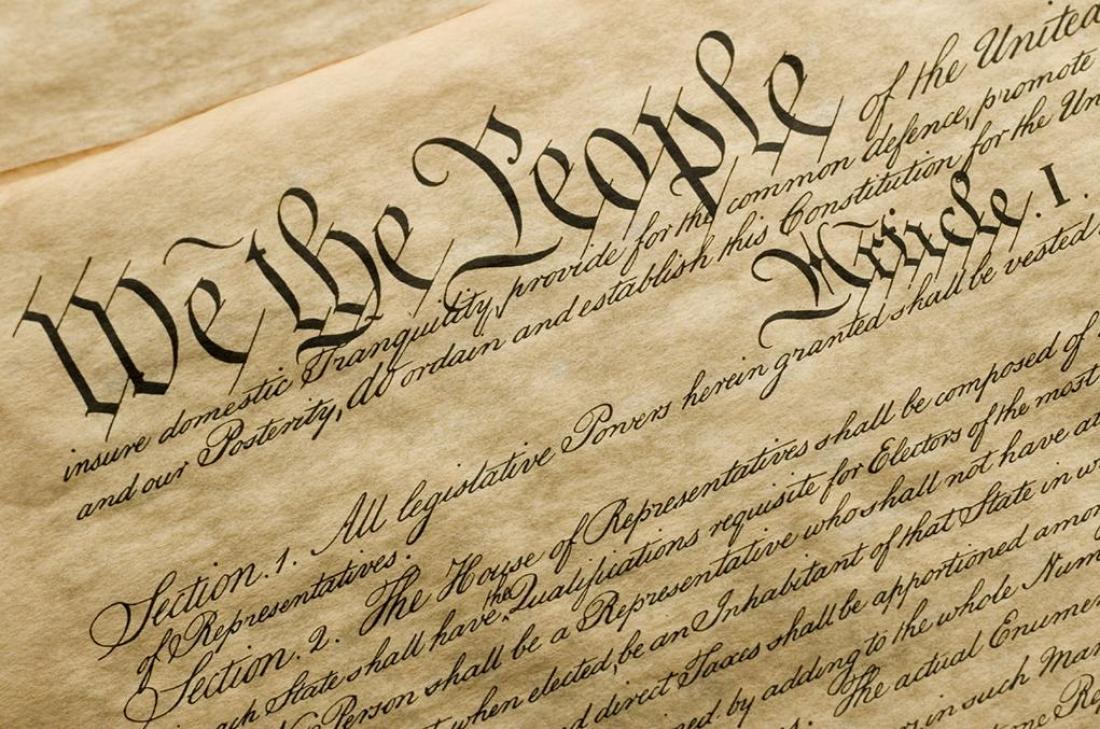
"We the People of the United States…"
a)
Popular Sovereignty
b)
Republicanism
c)
Federalism
d)
Separation of Powers
172.
"…the right of the people to keep and bear Arms, shall not be infringed."
a)
Separation of Powers
b)
Checks and Balances
c)
Limited Government
d)
Individual Rights
173.
"The powers not delegated to the United States… are reserved to the States respectively…"
a)
Republicanism
b)
Federalism
c)
Separation of Powers
d)
Checks and Balances
174.
"The President… shall have Power, by which the Advice and Consent of the Senate, to make Treaties, provided two-thirds of the Senators present concur."
a)
Separation of Powers
b)
Checks and Balances
c)
Limited Government
d)
Individual Rights
175.
a)
Federalism
b)
Separation of Powers
c)
Checks and Balances
d)
Limited Government
176.
"Governments are instituted among Men, deriving their just powers from the consent of the governed"
a)
Popular Sovereignty
b)
Republicanism
c)
Federalism
d)
Separation of Powers
177.
What is federalism?
a)
The people vote for their leaders who then represent them. 
b)
The people have individual rights. 
c)
There are three branches of government. 
d)
The state and national government share power. 
178.
What is "checks and balances?"
a)
Each branch of power has the ability to limit the power of the other branches. 
b)
The people elect their leaders. 
c)
The people are in charge. 
d)
The people have rights. (Bill of Rights) 
179.
What does the Legislative Branch do?
a)
Congress- it makes the laws
b)
The President- carries out the laws
c)
Supreme Court it interprets the laws
180.
What does the Judicial Branch do?
a)
Congress- it makes the laws
b)
The President- carries out the laws
c)
Supreme Court it interprets the laws
181.
What does the Executive Branch do?
a)
Congress- it makes the laws
b)
The President- carries out the laws
c)
Supreme Court it interprets the laws
182.

How many "articles" make up the U.S. Constitution?

a)

3

b)

5

c)

7

d)

11

183.
regulate schools & education
a)
delegated (federal only)
b)
concurrent (shared)
c)
reserved (state only)
184.
enforce laws
a)
delegated (federal only)
b)
concurrent (shared)
c)
reserved (state only)
185.
coin & print money
a)
delegated (federal only)
b)
concurrent (shared)
c)
reserved (state only)
186.
create courts
a)
delegated (federal only)
b)
concurrent (shared)
c)
reserved (state only)
187.
make marriage laws
a)
delegated (federal only)
b)
concurrent (shared)
c)
reserved (state only)
188.
regulate inter-state & international trade
a)
delegated (federal only)
b)
concurrent (shared)
c)
reserved (state only)
189.
establish local gov't
a)
delegated (federal only)
b)
concurrent (shared)
c)
reserved (state only)
190.
establish foreign policy
a)
delegated (federal only)
b)
concurrent (shared)
c)
reserved (state only)
191.
run the postal system
a)
delegated (federal only)
b)
concurrent (shared)
c)
reserved (state only)
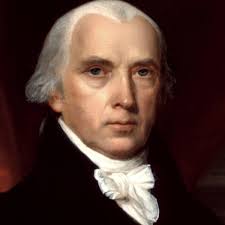
192.

Who is known as the "Father of the Constitution"?

a)

George Washington

b)

Alexander Hamilton

c)

James Madison

d)

Benjamin Franklin

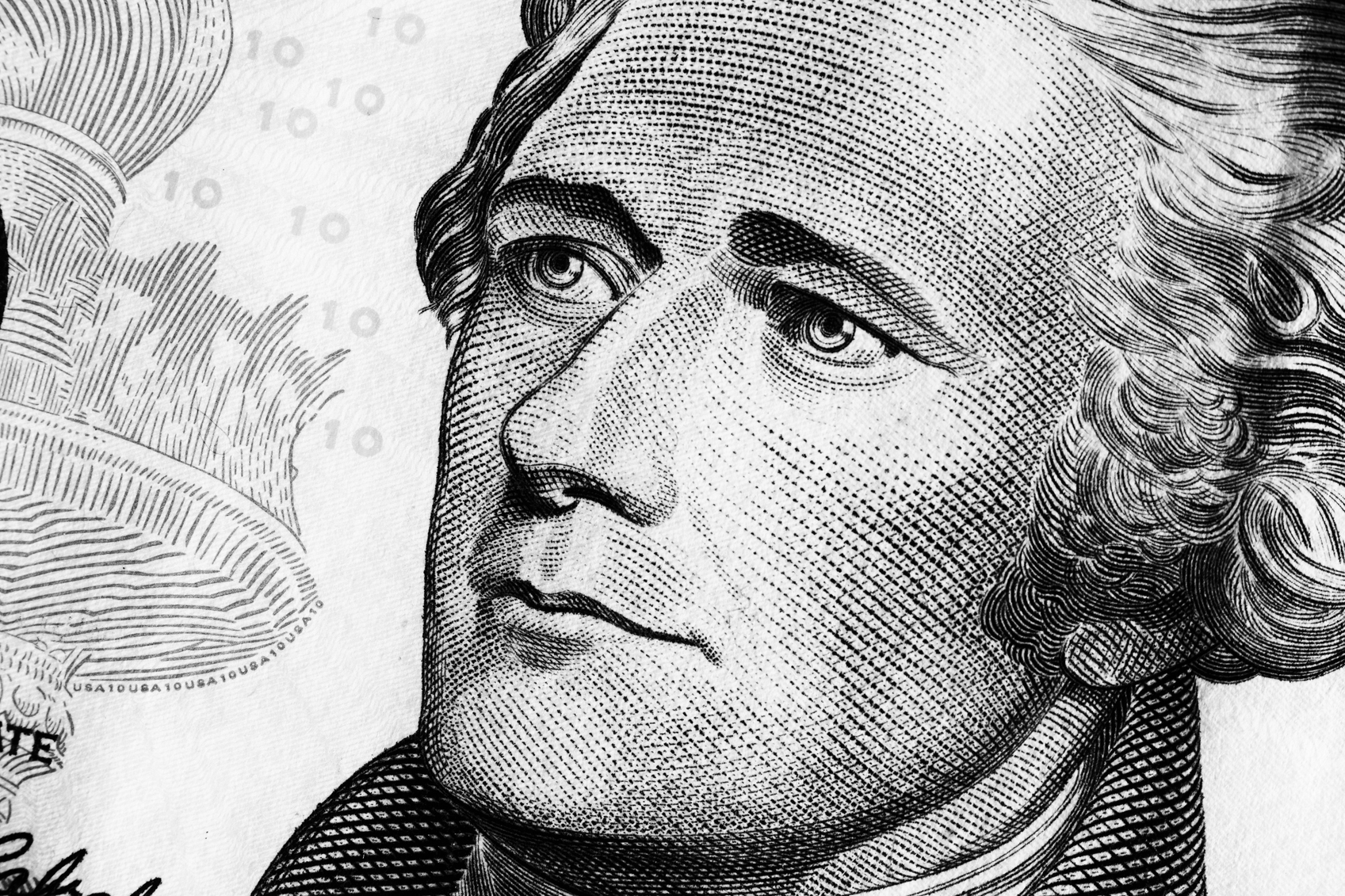
193.

Who is known as the leader of the Federalists?

a)

Alexander Hamilton

b)

John Adams

c)

Patrick Henry

d)

Benjamin Franklin

194.

The ___________ are for the ratification (approval) of the U.S Constitution.

a)

Federalists

b)

Anti-Federalists

c)

Whiggs

d)

Representatives

195.

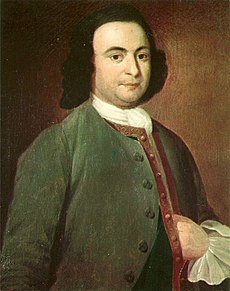
Who was the leader of the Anti-Federalists?

a)

George Mason

b)

George Washington

c)

George Bush

d)

Patrick Henry

196.

How did the Federalists and Anti-Federalists "compromise" to ratify (approve) the U.S Constitution?

a)

The added the Bill of Rights (First 10 Amendments)

b)

They outlawed cruel and unusual punishment.

c)

Ensured due process of the law.

d)

The Federalists threatened the Anti-Federalists to war.

197.

Patrick Henry once said, "Your President (central government) may easily become king. Your rights will be in the hands of a small minority." HENRY must have been a....

a)

Anti-Federalist

b)

Federalist

198.

"The existing national government may lack power to perform essential functions but protects states rights, therefore we should only revise it."

a)

Federalist

b)

Ant-Federalist

199.

"The Constitution does not adequatly protect individuals from possible government abuse."

a)

Federalist

b)

Ant-Federalist

200.

Anti-Federalists

a)

George Mason

b)

Alexander Hamilton

c)

Patrick Henry

d)

James Madison