wayground logo

Free Printable Worksheets

NEW

Font size

S
M
L
XL
Worksheets

7-2 PASS Review

Total questions: 62

Worksheet time: 36mins
Name
Class
Date
1.
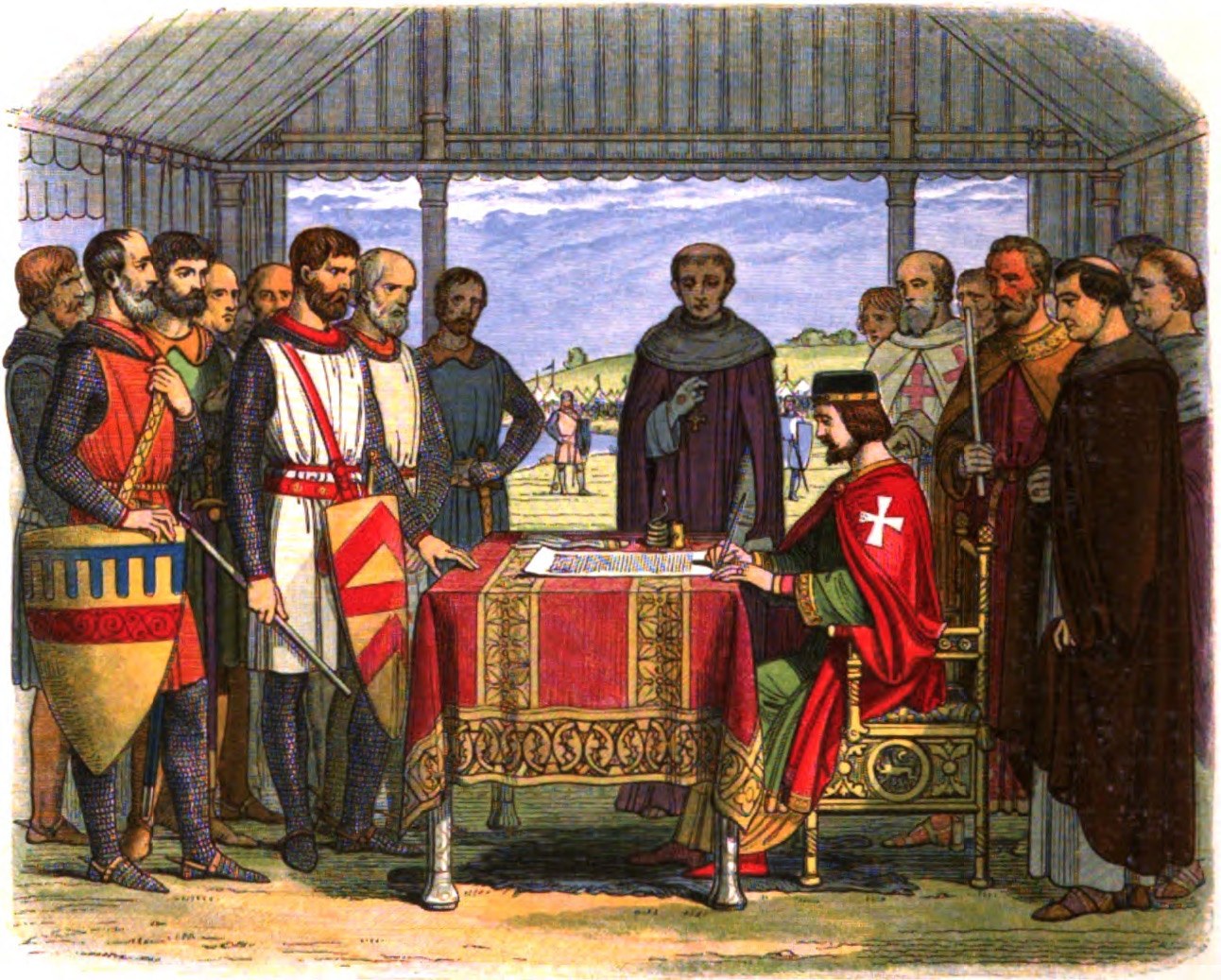
What was a result of the signing of the Magna Carta?
a)
power was increased
b)
king no longer above law
c)
legislative body dissolved 
d)
enlisted military for enforcement
2.
Who signed the Magna Carta?
a)
King John
b)
Caesar Augustus
c)
Alexander the Great
d)
Ferdinand Magellan
3.
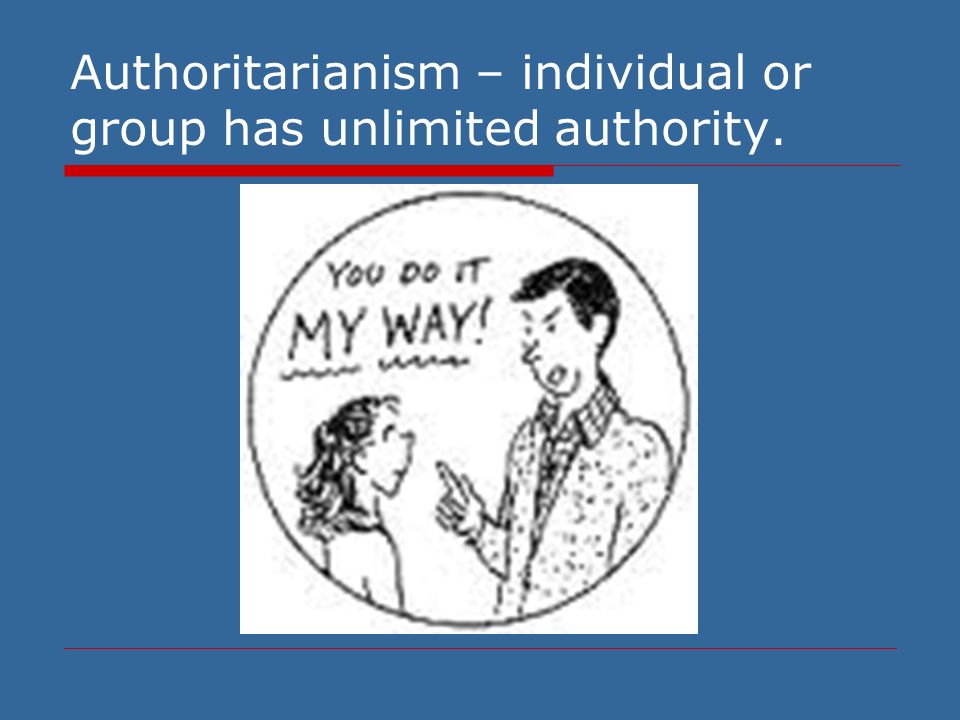
Which is true of unlimited government?
a)
individual rights are restricted
b)
citizens can participate in gov. decisions
c)
ability to prevent authoritarianism
d)
tyranny is non-existant
4.
What statement is true of a limited government?
a)
virtually no ability to limit the actions of the gov.
b)
restraints placed upon the power of gov.
c)
no ability to prevent gov. from being authoritarian
d)
citizens are expected to display total obedience
5.
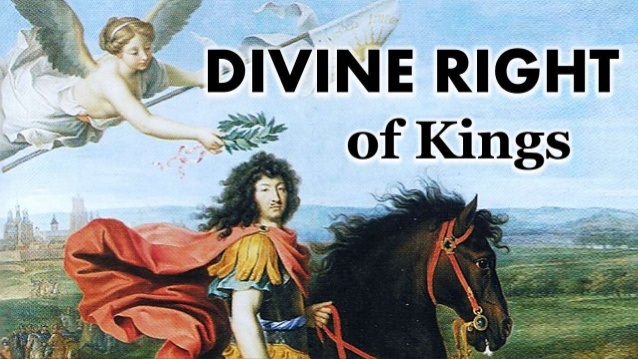
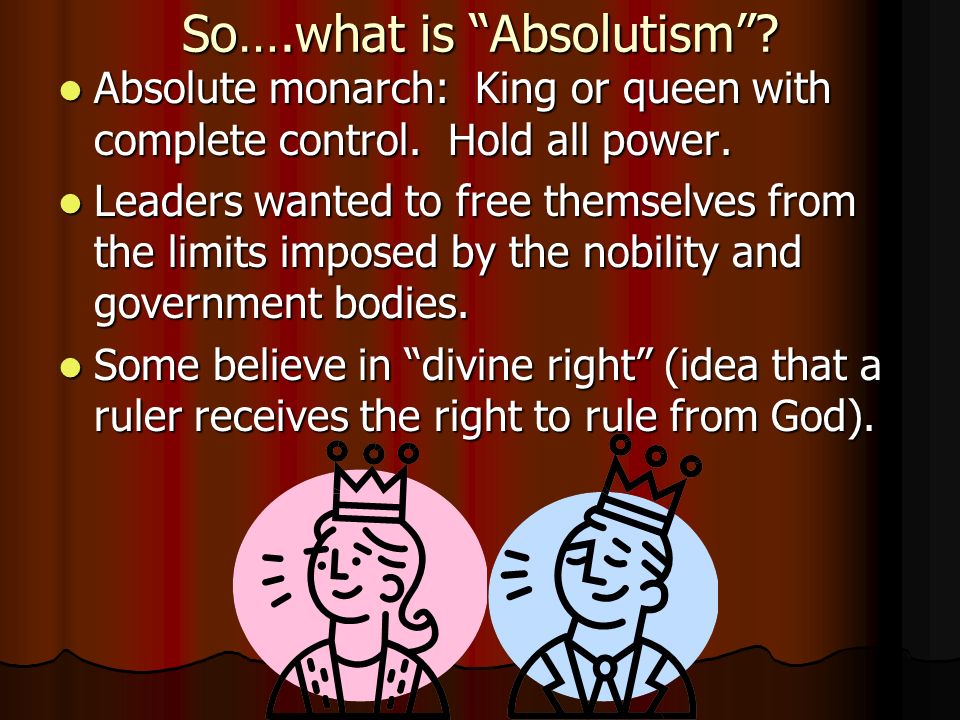
Which of the following is true of divine right?
a)
never present among rulers of 1600s & 1700s
b)
restrictions of the decisions made by absolute monarchs
c)
citizens the right to control the actions of gov.
d)
ruler's power came directly from God
6.
Which occurred when France and Russia created absolutist systems?
a)
Power was concentrated in hand of monarch 
b)
limited gov. were created 
c)
rights & freedoms were increased among citizens
d)
divine right was crushed
7.
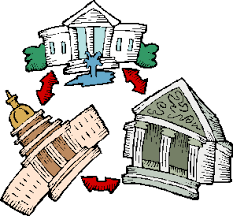
Which was NOT one of the 3 branches of government?
a)
Constitutional
b)
Executive
c)
Judicial 
d)
Legislative
8.
What is NOT a characteristic of absolute monarchies?
a)
people cannot restrict the actions of the gov.
b)
absolute monachs often rule based on divine right
c)
people have no rights & participate in the gov.
d)
absolute monarchs protect the rights of the people
9.
Which was NOT a common way that France and Russia displayed unlimited authority?
a)
raised taxes
b)
dissolved the legislative body
c)
used military to enforce policies
d)
encouraged development of market economy
10.
In what type of government does the ruler abuse their power?
a)
democratic government
b)
constitutional monarchy
c)
limited government
d)
authoritarian government 
11.
A __________________ is a ruler who usually inherits his or her position and rules for life.
a)
priest
b)
matriarch
c)
monarch
d)
dictator 
12.
This type of government exists when there are no limits placed on the power of a ruler.
a)
limited government 
b)
unlimited government
c)
democracy
d)
capitalism 
13.
This is another name for the type of government with unlimited power.  In this government, the ruler has total power.
a)
absolutism
b)
democracy
c)
republic 
14.
When the king or queen holds all the power to tax, control the military and make laws, the government is called   a ___________________.
a)
 total monarchy
b)
absolute monarchy
c)
dynasty
d)
royal flush
15.
The government has restricted its citizens from any type of media that is not related to its country.  Citizens are limited on how long they watch TV and what they look at on the internet.
a)
Limited
b)
Unlimited
16.
Rule by many - Democracy
a)
Limited
b)
Unlimited
17.
Citizens are allowed to vote for people running for office.
a)
Limited
b)
Unlimited
18.
Rule by one - Monarchy
a)
Limited
b)
Unlimited
19.
Citizens freedom of expression is limited
a)
Limited
b)
Unlimited
20.
All people must obey the laws, including the leader
a)
Limited
b)
Unlimited
21.
Citizens must follow the laws and rules that are in place but the government does not have to follow any laws or rules
a)
Limited
b)
Unlimited
22.

How did the Scientific Revolution impact the Catholic Church?

a)

It strengthened the Church by spreading its teachings across the world.

b)

It weakened the Church by providing a new religion.

c)

It weakened the Church by challenging its teachings.

d)

It strengthened the Church by providing evidence for its teachings.

23.

How did the scientific method change European society in the 1600s?

a)

It created a system to find proof using reason.

b)

It created a system to find proof using religious faith.

c)

It created an economic system based on mercantilism.

d)

It created an economic system based on capitalism.

24.

How did the Scientific Revolution of the 1600s change many scientists' views of the solar system?

a)

They began to believe that the earth was the center of the solar system.

b)

They began to believe that the moon revolved around the sun.

c)

They began to believe that the earth revolved around the sun.

d)

They began to believe that the moon was the center of the solar system.

25.

How did Galileo Galilei provide evidence to support Copernicus' heliocentric theory?

a)

Galileo invented the astrolabe.

b)

Galileo proved that the earth was spherical.

c)

Galileo observed objects in space.

d)

Galileo proved that the earth spins on its axis.

26.

Which scientist proved that this model of the solar system was false with his theory of gravity?

a)

Albert Einstein

b)

Charles Darwin

c)

Isaac Newton

d)

John Locke

27.

Why were scientists like Galileo asked to recant their teachings or face excommunication during the Scientific Revolution?

a)

Their teachings questioned the need for any leaders.

b)

Their teachings supported the divine right of the monarchy.

c)

Their teachings challenged the beliefs of the Catholic Church.

d)

Their teachings rejected the use of unlimited governmental power.

28.

How did the discoveries of the Scientific Revolution challenge the authority of the Catholic Church?

a)

They increased the average person's access to the Bible.

b)

They provided evidence that disproved some of the teachings of the Catholic Church.

c)

They used the Bible to produce scientific experiments,

d)

They took funding away from the Catholic Church.

29.

Why did the ideas of the Scientific Revolution conflict with the teachings of the Catholic Church?

a)

The Scientific Revolution inspired people to believe in multiple gods.

b)

The Scientific Revolution encouraged people to accept things on faith.

c)

The Scientific Revolution convinced people to convert to Judaism.

d)

The Scientific Revolution encouraged people to use logic and reason.

30.

How did philosophical thinking change during the Scientific Revolution of the 1600s?

a)

People refused to accept radical scientific ideas.

b)

People began to demand proof rather than trusting faith.

c)

People began to put more faith in religious theories.

d)

People took an interest in Eastern philosophies.

31.

Which idea was promoted by both the thinkers of the Scientific Revolution and the Enlightenment?

a)

Decisions and actions of the government should be based on past traditions.

b)

People should use reason and logic to understand the world.

c)

A strong military is necessary to keep society peaceful.

d)

Only God can grant an individual the authority to rule over others.

32.

Which Enlightenment thinker best matches these philosophies and actions?

a)

Galileo

b)

Montesquieu

c)

Rousseau

d)

Voltaire

33.

"When the legislative and executive powers are united in the same person or the same body of politicians, there can be no liberty." Which Enlightenment philosopher most likely said this quote?

a)

Voltaire

b)

John Locke

c)

Jean-Jacques Rousseau

d)

Baron de Montesquieu

34.

How did Baron de Montesquieu change the structure of governments in Europe?

a)

He promoted the concept of separation of powers.

b)

He developed the idea of natural rights.

c)

He provided proof for the theory of divine right.

d)

He convinced governments to abandon their colonies.

35.

Jean-Jacques Rousseau and John Locke supported which idea about society?

a)

Feudalism is the ideal social and political structure.

b)

The solar system is based on the geocentric model.

c)

Kings and queens should govern by divine right.

d)

People should have a say in who rules over them.

36.

According to Jean-Jacques Rousseau, what was the main purpose of government?

a)

to increase the wealth of the nation

b)

to protect the general will of the people

c)

to promote religious purity

d)

to control the public

37.

How did the ideas of John Locke challenge absolute monarchy and influence the development of limited government?

a)

He argued that the practice of mercantilism weakened governments.

b)

He argued that the people could not give consent to the government to rule over them.

c)

He claimed that the government's job was to protect the rights of the people.

d)

He claimed that religion supported absolute monarchy.

38.

Which Enlightenment thinker challenged absolutism by arguing that all humans were born with natural rights to life, liberty and property?

a)

Thomas Hobbes

b)

John Locke

c)

Voltaire

d)

Baron de Montesquieu

39.

Why were Enlightenment views of the 18th century (1700s) considered radical at the time?

a)

Enlightenment thinkers taught that women and men were equal.

b)

Enlightenment thinkers taught that the king should never be questioned.

c)

Enlightenment thinkers challenged absolute monarchy.

d)

Enlightenment thinkers encouraged Christians to convert to Islam or Judaism.

40.

Philosophers during the Enlightenment period focused on which idea?

a)

changing the relationship between the government and the people

b)

supporting the kings and queens in any way necessary

c)

accepting the Catholic Church as the supreme authority over individuals

d)

spreading the beliefs of Christianity throughout Europe

41.

With which idea would an Enlightenment philosopher most likely agree?

a)

The right to rule comes from God.

b)

The right to rule comes from the people.

c)

A strong military is needed to keep people in line.

d)

Tradition and custom should guide decisions made by government.

42.
What was the result of the English Civil War?
a)
Charles I was beheaded, and Oliver Cromwell became Lord Protector of England.
b)
Charles I was arrested but later escaped and fled to France.
c)
Oliver Cromwell was beheaded, and Charles I continued to rule as an absolute monarch.
d)
Charles II became king of England immediately after Charles I was executed.
43.
What type of monarchs were William and Mary?
a)
absolute monarchs
b)
unlimited monarchs
c)
limited monarchs
d)
divine right monarchs
44.
What is the result of the signing of the English Bill of Rights?
a)
The monarch had to share power with Parliament.
b)
Monarchs began ruling by divine right.
c)
English citizens had fewer individual rights.
d)
England became an unlimited government.
45.
Why did Parliament disapprove of James II being king of England?
a)
He was Catholic.
b)
He was Protestant.
c)
He was not born in England.
d)
He was not related to Charles II.
46.
Which of the following did NOT have an impact on England's transition from an unlimited to a limited government?
a)
the Magna Carta
b)
the Glorious Revolution
c)
the French and Indian War
d)
the English Bill of Rights
47.
What was the bloodless revolt in England led by William and Mary?
a)
The Enlightenment
b)
The English Civil War
c)
The Glorious Revolution
d)
The Inquisition
48.
Why did King Charles I refuse to let Parliament meet for 11 years?
a)
Charles I wanted to be an absolute monarch.
b)
Parliament believed in the divine right of kings.
c)
Charles I wanted his power to be limited.
d)
Parliament did not want to limit the power of the monarch.
49.
Why was John Hampden, a member of Parliament, put on trial after the Eleven Years Tyranny?
a)
He refused to pay a tax that Parliament had not approved.
b)
He criticized Parliament.
c)
He challenged the king's military advisors.
d)
He supported King Charles I.
50.
During the English Civil War, who were the supporters of Charles I?
a)
Royalists
b)
Loyalists
c)
Federalists
d)
Absolutists
51.
What was the name of the Parliamentary army led by Oliver Cromwell during the English Civil War?
a)
New Model Army
b)
Old Regime Army
c)
Parliamentary Staff Army
d)
Cromwell's Supporting Army
52.
What inspired the American Revolution?
a)
Scientific Revolution
b)
Religion
c)
The Enlightenment
d)
Technological Advancements
53.
What inspired the French Revolution?
a)
The American Revolution & The Enlightenment
b)
The Latin Revolution & The Enlightenment
c)
The American Revolution & The Scientific Revolution
d)
The Latin Revolution & The Scientific Revolution
54.
The French Revolution and the American Revolution, utilizing the ideas of the Enlightenment, led to the formation of _____________________.
a)
Unlimited Governments
b)
Socialism
c)
Absolutism
d)
Limited Governments
55.
Which form of government allows citizens to choose other citizens to represent them in the decision-making processes of government?
a)
Direct Democracy
b)
Representative Democracy
c)
Oligarchy
d)
Theocracy
56.
The American Revolution drew upon Locke's beliefs in the _____________________?
a)
Declaration of the Rights of Man
b)
Declaration of the Rights of Citizens
c)
Declaration of Liberty & Fraternity
d)
Declaration of Independence
57.
What did the writers of the United States Constitution use as the framework to develop a limited government?
a)
Scientific Revolution
b)
Advance Technology
c)
Patriotic Ideas
d)
Enlightenment Ideas
58.
As a result of American diplomats spending time in Paris, a number of French citizens began learning about the following ideas?
a)
oppression & equality
b)
equality & freedom
c)
liberty & oppression
d)
separation of power & absolutism
59.
Who supported the American Revolution by sending soldiers to help defeat the British?
a)
Spain
b)
France
c)
Italy
d)
Portugal
60.
A constitution that creates a limited government as the relationship between the people their government embodies Locke's idea of a?
a)
Checks and Balances
b)
Natural Rights
c)
Social Contract
d)
Tabula Rasa
61.
What places limits on the government's power by specifically outlining what powers the government does or does not have?
a)
A treaty
b)
Constitution
c)
Contract
d)
Pledge
62.
When did the tradition of a government receiving its power from the general will of the people first occurred?
a)
Signing of the US Constitution
b)
Signing of the English Bill of Rights
c)
Signing of the Declaration of the Rights and Man
d)
Magna Carta