
 Worksheets
APUSH 2nd Semester Review
Total questions: 35
Worksheet time: 27mins
The process of becoming part of another culture is called _______________.
nativists
anarchists
assimilation
immigration
Under the philosophy of __________________________, men such as Andrew Carnegie believed in giving money to libraries, museums, and schools to help benefit people who wanted to move up in the social ladder.
The Mississippi Plan
Laissez Faire
Social Darwinism
Gospel of Wealth

Based on your knowledge of the Industrial Revolution in the United States, what statement is this cartoon making?
The federal government was placing too many restrictions and regulations on business owners.
The oil industry is thriving due to a healthy working relationship with the federal government.
The owner of Standard Oil has too much power and influence over the federal government.
Emissions from oil refineries are polluting the air and harming the environment.

Which of these best describes life in a turn of the century tenement?
Very crowded
Spreading sickness and disease
Few windows, no heat, or plumbing
All of the above
Select major factors in the expansion of the US economy during the Gilded Age.
Surplus Agriculture
Entrepreneurs
Military Build-Up
Innovations
Large pool of skilled and unskilled labor
The national government helped to finance transcontinental railroad construction in the late nineteenth century by providing railroad corporations with
land grants and loans.
cash grants from new taxes.
reduced prices for iron and steel
cash grants from higher tariffs.
The two industries that the transcontinental railroads most significantly expanded were
mining and agriculture.
textiles and steel
mining and steel
textiles and agriculture.
"I have read your extremely interesting report and I agree that the time has come for a review of the work of the Office on New Weapons. I think you had better go ahead and work this out with the Chief of Staff and Chief of Naval Operation – confining the whole thing to a very small number of people.
I am returning the report for you to lock up, as I think it is probably better that I should not have it in my own files."
—Memo from President Franklin D. Roosevelt to Vannevar Bush, scientist, and director of the Office of Scientific Research and Development during WWII
The memo best supports which statement regarding U.S. success in WWII?
American and British scientists collaborated to improve Allied military capabilities.
The Axis powers did not keep up with the U.S. in military spending.
Rapid advances in science and technology during WWII changed American society.
Science and technology research were a key part of U.S. strategy.

It can be inferred that Roosevelt was particularly concerned about the stat of world affairs due to the
Treaty of Versailles, which ended the First World War.
Washington Naval Disarmament Conference, which placed limits on different countries' naval capacity.
Munich Agreement, which granted Germany territory in exchange for a pledge not to annex more.
Briand-Kellogg Peace Pact, which was a pledge by numerous countries to "outlaw" war.

Which of the following was MOST likely a significant cause of the sentiments depicted in the poster?
The mass mobilization of American society to provide combat troops for the war effort during the Second World War.
Increased opportunity for American women to assist in the war effort of World War II.
The shortage of male sailors after the attack on Pearl Harbor forced the United States navy to recruit female service members during the Second World War.
The advancement of democratic ideals during World War II eliminated discrimination against women serving in the armed forces of the United States.
The following statement relates to which President:
Republican, 15th Amendment, Reconstruction, Civil Rights Act of 1875, Credit Mobilier Scandal, Panic of 1873, Enforcement Acts
Ulysses S. Grant
Rutherford B. Hayes
James Garfield
Chester Arthur
Farmers had great difficulty gaining relief from their grievances because
They were highly individualistic and not very organized
Didn't understand the root cause of their problem
Farmers were very well organized and worked very well together.
They made up too small of the population to make a huge impact.
What was William Jennings Bryan's main policy point in the Election of 1896?
He advocated for the coinage of silver and easy money.
He wanted large scale immigration reform.
He wanted the Southern states to be able to practice slavery again.
He advocated for an invasion of China to gain their wealth.
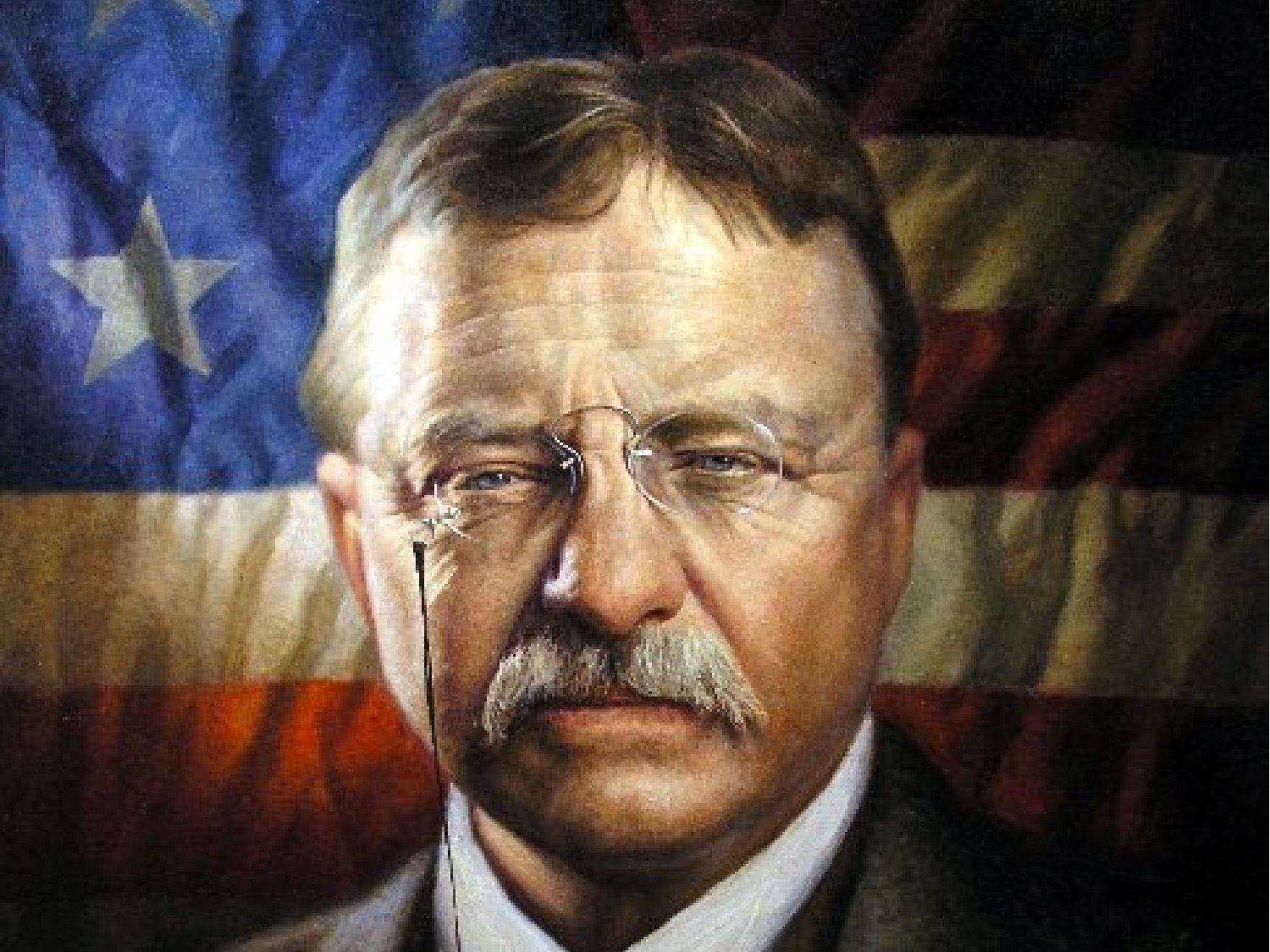
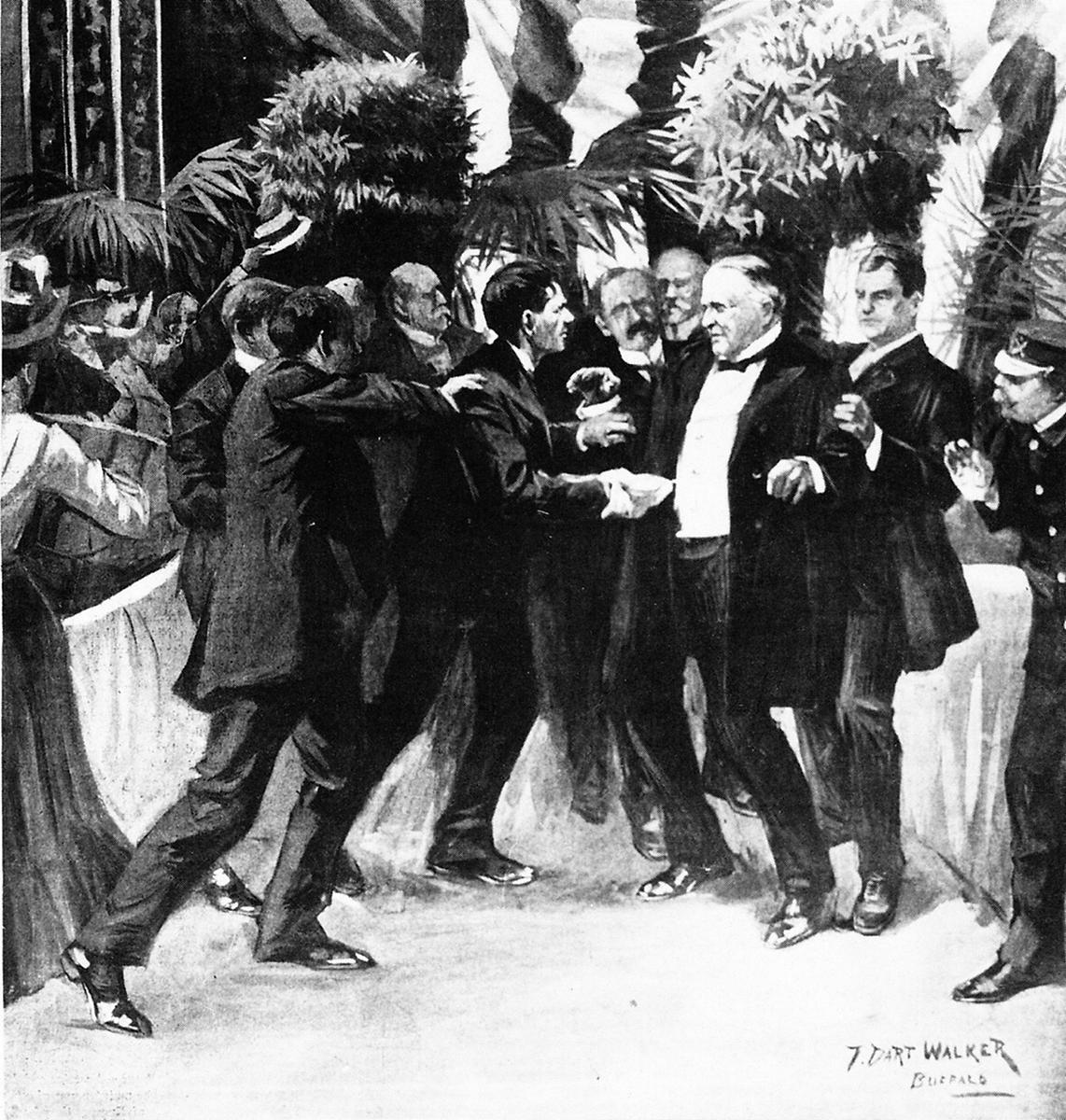
The primary emphasis of the progressive movement was on
Strengthening government as an instrument of social betterment
Organizing workers into a unified and class-conscious political party
Freeing individuals and business from federal control
Protecting farmers and small business from corporate power
Two constitutional amendments, adopted in part because of World War I, were the Eighteenth, which dealt with ____, and the Nineteenth, whose subject was ____.
prohibition; an income tax
direct election of senators; woman suffrage
prohibition; woman suffrage
women suffrage; prohibition
The court case that ended segregation in public schools
Brown v. Board
Plessy v. Ferguson
Miranda v. Arizona
Engel v. Vitale
Tinker v. DesMoines
LBJ's plan for increased domestic spending on anti-poverty & anti-racism programs
New Deal
New Frontier
Great Society
Welfare for All
Southern Strategy
Truman wanted to intervene in ________ to avoid what happened in China in 1949.
Vietnam
Korea
Greece
Turkey
The overall strategy of the US during the Cold War
Truman Doctrine
Containment
Marshall Plan
Domino Theory
What organization was formed to pursue world peace in 1945?
United Nations
NATO
Warsaw Pact
League of Nations
The controversial event that led to the US directly intervening in Vietnam.
Gulf of Tonkin
Tet Offensive
Operation Rolling Thunder
My Lai Massacre
A cartel formed in 1960 by the Persian Gulf states and other oil-rich developing countries that allowed its members to exert greater control over the price of oil.
Organization of Petroleum Exporting Countries (OPEC)
North American Free Trade Agreement (NAFTA)
North Atlantic Treaty Organization (NATO)
Middle East Oil Countries (MEOC)
The 1973 Supreme Court ruling that the Constitution protects the right to abortion, which states cannot prohibit in the early stages of pregnancy.
Roe v. Wade
Plessy v. Ferguson
Miranda v. Arizona
Korematsu v. US
Term referring to the 1972 break-in at Democratic Party Headquarters in Washington, D.C., by men working for President Nixon’s reelection campaign, along with Nixon’s efforts to cover it up. This scandal led to President Nixon’s resignation.
Watergate
Chappaquiddick
Debategate
Iran-Contra Affair

