
 Worksheets
Molecules of life
Total questions: 25
Worksheet time: 25mins

A water strider can skate on the surface of a pond because:
covalent bonds result in water cohesion
hydrogen bonds result in water cohesion (surface tension)
water striders have adapted to take advantage of water cohesion
low surface tension of water
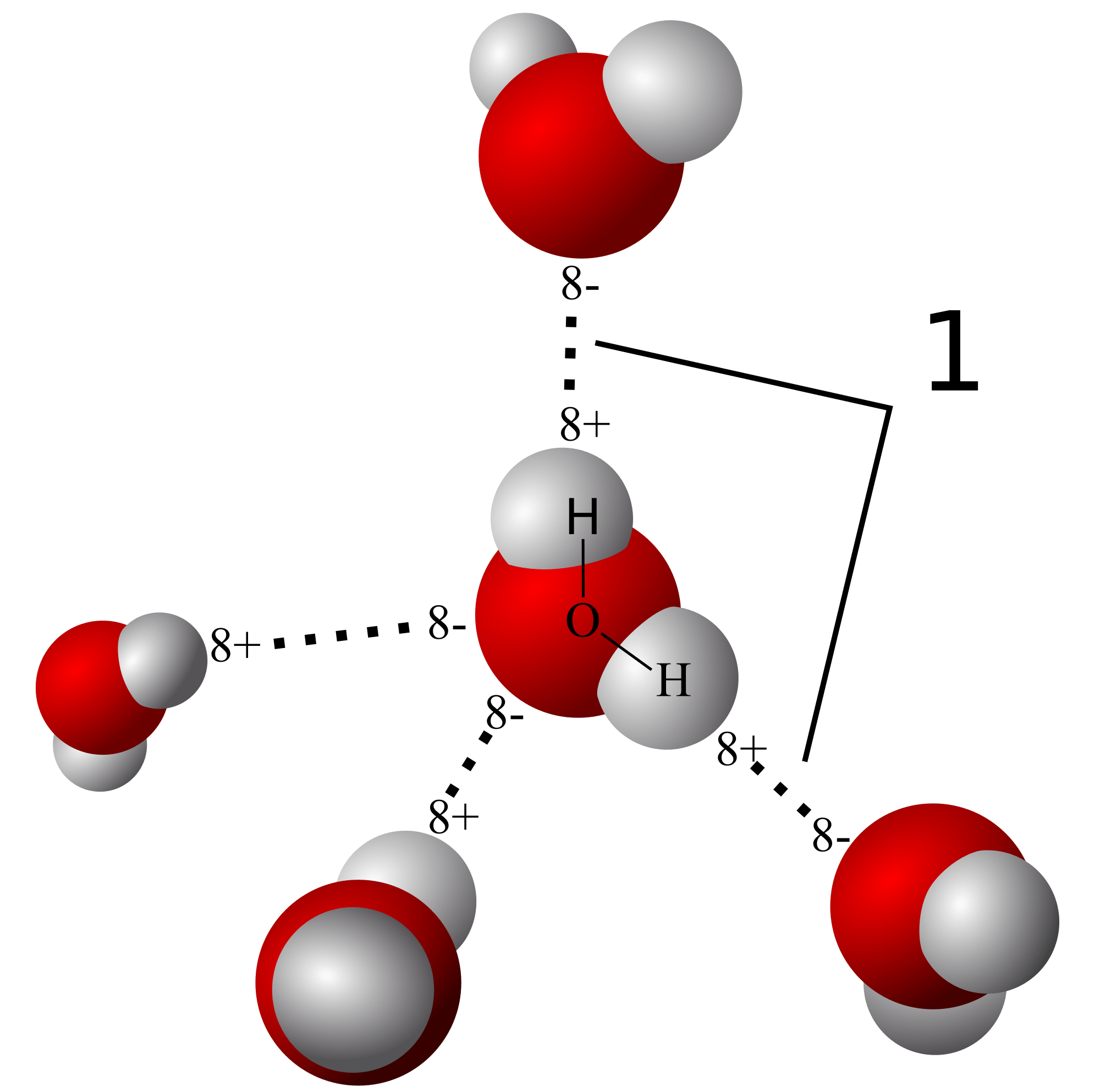
Attractions between water molecules are called
Covalent bonds
Ionic bonds
Polar bonds
Hydrogen bonds
Water is polar because...
The unequal distribution of electrons gives the water molecule a slight negative charge near its oxygen atom and a slight positive charge near its hydrogen atoms.
The molecule has two poles, at which the it is colder than other regions of the molecule.
The unequal sharing of electrons gives the water molecule a slight negative charge near its hydrogen atoms and a slight positive charge near its oxygen atom.
The water molecule is neutral.

Name the structure shown in the diagram.
β-glucose
α - glucose
amino acid
fatty acid

Diagram shows the structure of polysaccharide. Name the polysaccharide.
Amylose
Amylopectin
Glycogen
Cellusose

Which type of lipid is this?
unsaturated fat
triglyceride
phospholipid
steroid
Triglycerides are formed by
Hydrogen bonding
Covalent bonding
Ester bond
Glycosidic bonds

The structures in this protein labelled as C and D are representative of which level of protein structure?
Primary Structure
Secondary Structure
Tertiary Structure
Quaternary Structure

This monomer links together to form:
Lipids
Polysaccharides
Proteins
Nucleic Acids
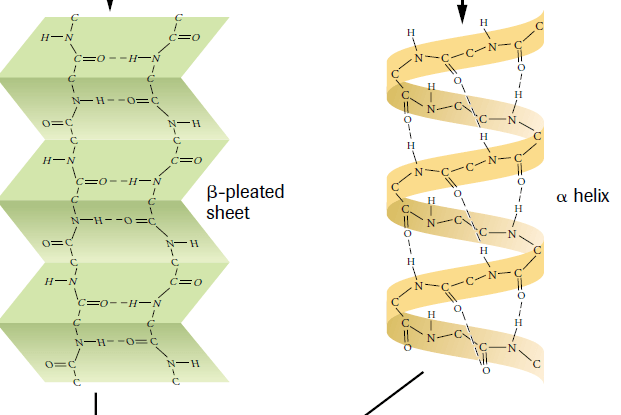
What level of protein structure is this?
Primary
Secondary
Tertiary
Quaternary

Diagram shows a monomer of a.............................
Monosaccharide
Amino Acid
Nucleotide
Polysaccharide


What is the function of macromolecule subunit shown?
stores energy
catalyst the biochemical reaction
stores genetic information
major components of the plasma membrane
Nucleic acids are mad up of nucleotide. What is the structure of a nucleotide?


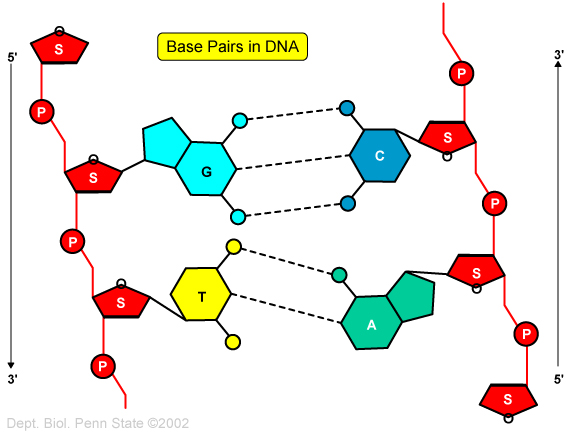
Nitrogenous bases of DNA are joined by which type of bond?
polar bonds
ionic bonds
covalent bonds
hydrogen bonds

The attraction that causes water and other liquids to form drops is called ________________. This is also water’s ability to be attracted to other water molecules.
adhesion
capillary action
cohesion
surface tension
Which property of water is responsible for cooling off the human body when sweat evaporates into water vapor?
Surface Tension
High latent heat of vaporization
Ice floats on water (solid water -ice- is less dense than liquid water
Adhesion

