
 Worksheets
Checking Your Understanding
Total questions: 21
Worksheet time: 24mins
Name
Class
Date
1.
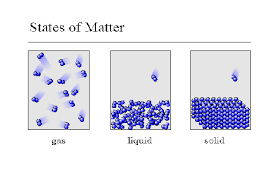
At higher temperatures
a)
particles in an object have less energy
b)
particles in an object move faster
c)
a gas contracts
2.
Particles of a liquid
a)
are tightly packed together and stay in a fixed position.
b)
have no viscosity.
c)
decrease in volume with increasing temperature.
d)
are free to move around one another but still touch.
3.
The slower the particles in a substance move,
a)
the colder it is.
b)
the warmer it is.
c)
the more energy it has.
d)
the less energy it has.
4.
What is made up two or more elements that are chemically combined?
a)
Element
b)
Mixture
c)
Compound
d)
Solids
5.
A combination of substances that are not chemically combined is called a(n)____________.
a)
mixture
b)
compound
c)
physical
6.
An element is made up of only one kind of _____.
a)
isotope
b)
plastic
c)
atom
d)
metal
7.
Carbon Dioxide is a ______
a)
compound
b)
element
c)
mixtures
d)
Battle of Bunker Hill
8.

Carbon is a(n) ______
a)
compound
b)
element
c)
mixture
9.
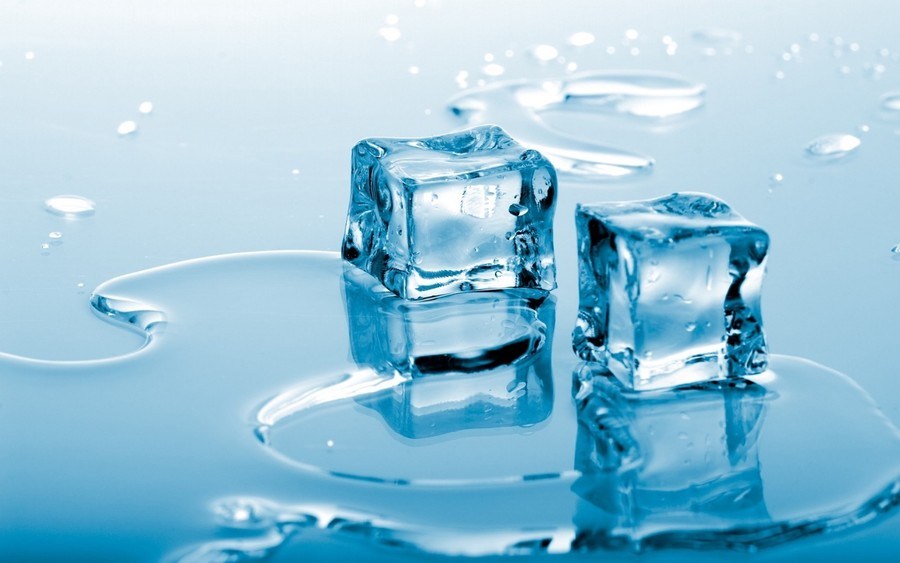
Water freezing into ice is an example of a...
a)
Physical Change
b)
Chemical Change
10.
A change in matter that forms one or more new substances with new chemical properties is a/an...
a)
Physical Change
b)
Chemical Change
11.
Which of the following indicates a chemical change?
a)
Change in state of matter
b)
Temperature change
c)
Change in size
d)
Change in shape
12.
Which of the following indicates a PHYSICAL change?
a)
Change in temperature
b)
Change in shape
c)
Formation of a precipitate
d)
Change in color
13.
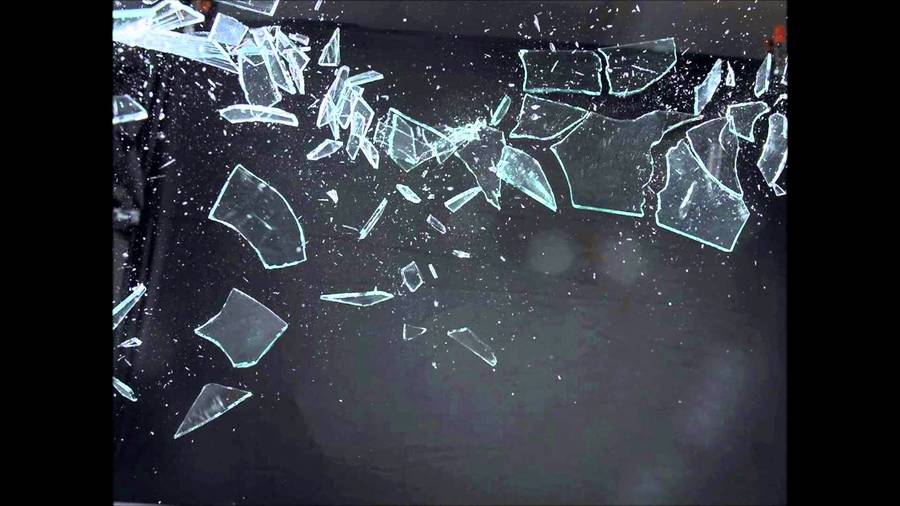
Chemical or Physical? Glass breaking into tiny shards
a)
Chemical Change
b)
Physical Change
14.
The rate of a chemical reaction is NOT affected by which of the following:
a)
temperature
b)
concentration
c)
particle size (surface area)
d)
All of these affect reaction rates
15.
The rate of a reaction increases as temperature__________________.
a)
Decreases
b)
Increases
c)
Stays the Same
16.
A ______________ is a substance that increases the rate of a reaction without being used up during the reaction.
a)
catalyst
b)
product
c)
reactant
d)
solute
17.
Smaller particle size allows for a _________ surface area to be exposed for the reaction.
a)
larger
b)
smaller
18.
The ___________ the surface area of the reactants, the faster the reaction rate.
a)
larger
b)
smaller
19.
Increasing the temperature will increase the kinetic energy of particles, therefore increasing the collisions between particles.
a)
false
b)
true
20.
Two clear and colorless solutions are combined within a test tube. The result is very cloudy. Do you assume a chemical reaction took place?
a)
Yes
b)
No
21.
You observe bubbles after adding metal to a solution. Do you assume a chemical reaction took place?
a)
Yes
b)
No
100 %

