
NEW
Font size
S
M
L
XL
 Worksheets
1-1 to 1-3 chemical, ionic, & covalent bonds
Total questions: 23
Worksheet time: 17mins
Name
Class
Date
1.
Which of the following has a full valence shell?
a)
Oxygen
b)
Neon
c)
Barium
d)
Carbon
2.
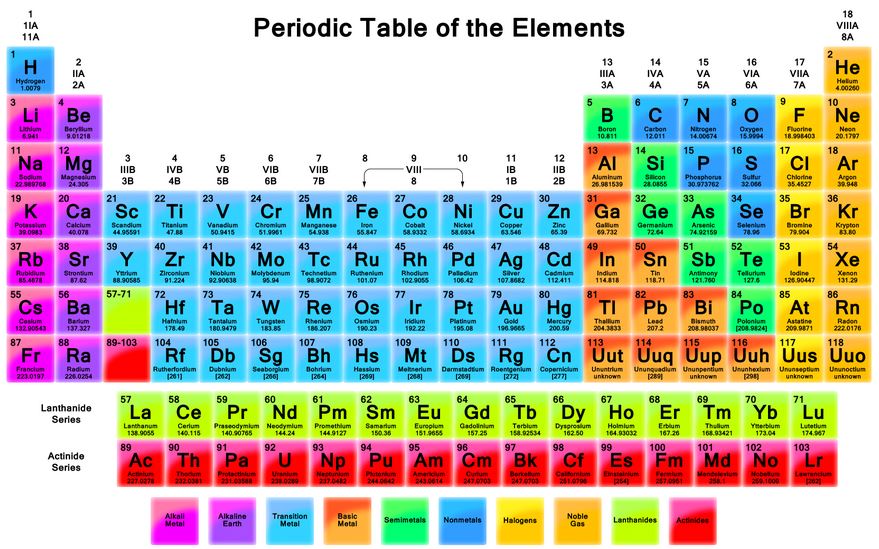
Elements on the LEFT side of the periodic table will most likely form:
a)
Positive ions
b)
Negative ions
c)
Neutral Ions
d)
None of these
3.
An ionic bond forms when atoms ___________ electrons.
a)
gain
b)
share
c)
increase
d)
transfer
4.
All chemical bonds involve two atoms sharing electrons.
a)
True
b)
False
5.
If an atom loses two electrons what charge will it have?
a)
+ 2
b)
- 2
c)
+1
d)
-1
6.
If an atom gains one electron what charge will it have?
a)
-2
b)
-1
c)
+1
7.
Covalent compounds
a)
Share electrons
b)
transfer electrons
c)
contain a sea of electrons
d)
conduct electricity
8.
What is the number of valence electrons for Oxygen?
a)
8
b)
6
c)
2
d)
1
9.
How are covalent bonds explained?
a)
When one atom takes the other atom's electron
b)
When the atom shares an electron with an another atom
c)
When the two nucleus merge
d)
When the neutrons leave the nucleus
10.
Atoms joined together by SHARING electrons are?
a)
Ionic bonds
b)
Covalent bonds
c)
Metallic Bonds
d)
James Bonds
11.
Why do atoms bond?
a)
They typically don't bond
b)
To add or take away energy levels
c)
To have a full valance shell.
d)
To have a full inner shell
12.
Ionic bonding is between a
a)
nonmetal and nonmetal
b)
metal and nonmetal
c)
metal and metal
d)
Depends on the situation
13.
What do positive ions tend to do?
a)
lose electrons
b)
gain electrons
c)
lose protons
d)
gain protons
14.
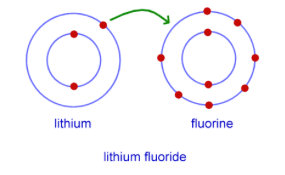
What type of bond is this?
a)
ionic
b)
covalent
15.
A cation is a ____ ion.
a)
negative
b)
positive
16.
A anion will be a ____ ion.
a)
negative
b)
positive
17.
Is Hydrogen considered a metal or a non-metal?
a)
Metal
b)
Non-metal
18.
How are covalent bonds explained?
a)
When one atom takes the other atom's electron
b)
When the atom shares an electron with an another atom
c)
When the two nucleus merge
d)
When the neutrons leave the nucleus
19.
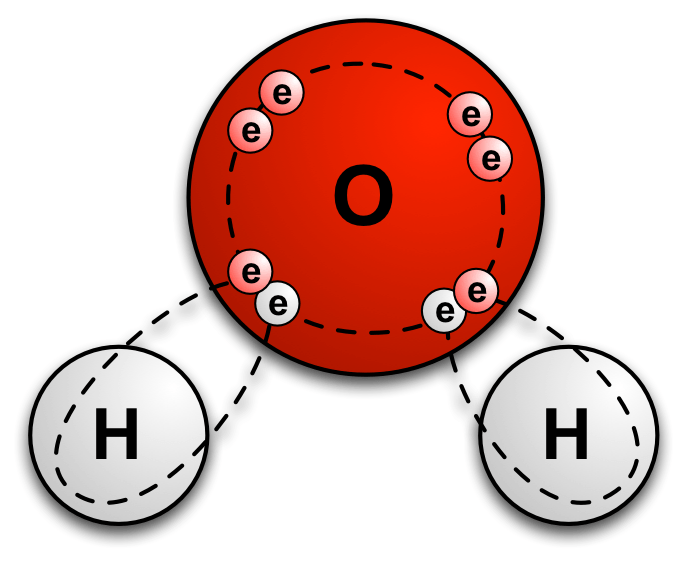
What would you name this molecule?
a)
SNa3
b)
H3O
c)
NaCl
d)
H2O
20.
How many Valence Electrons are on Oxygen
a)
2
b)
7
c)
6
d)
1
21.
How many valence electrons does nitrogen have?
a)
3
b)
2
c)
5
d)
1
22.
What can be generalized about covalent bonds?
a)
Electrons will be exchanged.
b)
Electrons will be transferred.
c)
Electrons will be given and taken.
d)
Electrons will be shared.
23.
Most covalent compounds are do not exist in which state?
a)
solid
b)
liquid
c)
gas
Reset

