
 Worksheets
Philosophers
Total questions: 15
Worksheet time: 16mins
Name
Class
Date
1.
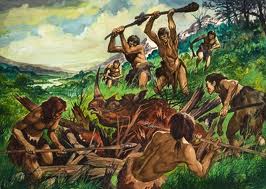
How did Hobbes sum up people's quality of life in a state of nature?
a)
life, liberty, and the pursuit of happiness
b)
poor, nasty, brutish, and short
c)
fulfilling, long-lived, philosophical, and introspective
d)
scared, hungry, lonely, and cold
2.
This was an 18th century philosophical movement of intellectuals, aiming to apply reason to all endeavors.
a)
Reformation
b)
Renaissance
c)
Enlightenment
d)
Scientific Revolution
3.

According to Hobbes, people agreed to give up some ______ in exchange for _______ as part of the social contract.
a)
rights and power / protection
b)
food and shelter / weapons
c)
security and protection / freedom
d)
money / goods and services
4.
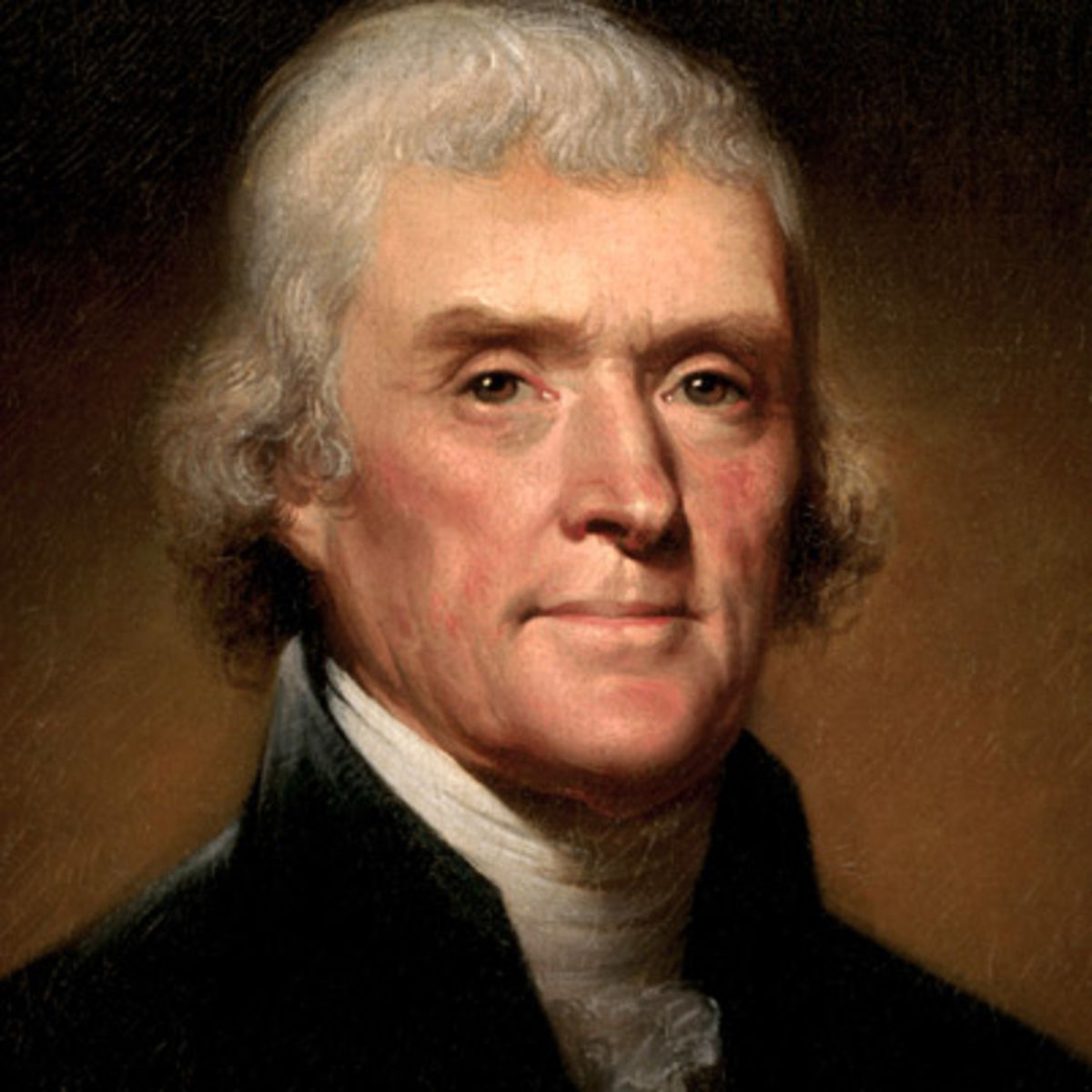
John Locke's thinking most influenced what American Founding Father?
a)
George Washington
b)
Benjamin Franklin
c)
Alexander Hamilton
d)
Thomas Jefferson
5.

Locke's inalienable rights include...
a)
life, liberty, and property
b)
pizza, chips, and soda
c)
life, property, and travel
d)
freedom of speech, freedom to bear arms, and freedom of assemble
6.
Which Enlightenment philosopher believed government works best when there is separation of powers?
a)
Hobbes
b)
Locke
c)
Montesquieu
d)
Rousseau
7.

A sovereign is
a)
A rule that has total power over the people
b)
A democratically elected leader
c)
A social contract
d)
Life in a state of nature
8.

Which Enlightenment thinker believed in the "social contract"?
a)
Charles-Louis Montesquieu
b)
Jean-Jacques Rousseau
c)
Adam Smith
d)
John Locke
9.
Baron de Montesquieu established two ideas that helped mold today's government in the United States. Those two ideas were....
a)
reason and progress
b)
Separation of Power and Checks and Balances
c)
Laissee-faire and Supply & Demand
d)
General Will and Social Contract
10.
What did Rousseau believe that governments should work toward?
a)
A Revolution against the monarchy
b)
Good Health
c)
Common Good
d)
No Taxes
11.
In "A Vindication of the Rights of Women," this political thinker presented an argument for the education of women. She also declared that women should have the same political rights as men.
a)
Wollstonecraft
b)
Beccaria
c)
Locke
d)
Hobbes
12.
Despite serving two prison terms and being exiled, he never stopped fighting for tolerance, reason, freedom of religion, and freedom of speech.
a)
Voltaire
b)
Wollstonecraft
c)
Rousseau
d)
Beccaria
13.
The political thinker believed that all humans are naturally selfish and wicked. He argued, therefore, that strong governments are necessary to control human behavior. To avoid chaos, he said, people enter into a social contract. They give up their rights in exchange for law and order.
a)
Locke
b)
Hobbes
c)
Wollstonecraft
d)
Beccaria
14.

Which of the following statements would most likely have been made by Voltaire?
a)
"People should not be afraid to speak their minds."
b)
"The government is made to protect our natural rights."
c)
"Trials should not be private."
d)
"The king needs absolute power."
15.
In exploring the relationship between governments and people, Thomas Hobbes argued that governments resulted from a social contract to maintain an orderly society. John Locke, another philosopher of the Enlightenment, inspired American revolutionaries by arguing that a new social contract could be instituted under what circumstance?
a)
if a government failed to compel obedience.
b)
if a government entered into alliances with foreign governments.
c)
if a government violated people's natural rights.
d)
if a government failed to protect people from economic inequality.
100 %

