Wayground logo

Free Printable Worksheets

Font size

S
M
L
XL
Worksheets

Civics Chapter 2 Review

Total questions: 65

Worksheet time: 38mins

Name
Class
Date
1.
Which type of government has a king or queen?
a)
Democracy
b)
Monarchy
c)
Theocracy
d)
Dictatorship
2.
In which type of democracy do the people elect representatives?
a)
Representative
b)
Direct
3.
Who is a person who rules with complete and absolute power?
a)
King/Queen
b)
Dictator
c)
President
d)
Senator
4.
What is the lawmaking body of Great Britain called?
a)
Parliament
b)
Congress
c)
Monarchy
d)
Republicists
5.

Which of the following types of governments can be is a small group of people making all of the decisions?

a)

Oligarchy

b)

Theocracy

c)

Monarchy

d)

Democracy

6.
English document used for the much of the basis of the Constitution
a)
English Bill of Rights
b)
Articles of the Confederation
c)
Magna Carta
d)
Declaration of Independence 
7.
A rule of conduct enforced by government
a)
law
b)
rule
c)
requirement
d)
regulation
8.
A form of government in which all people meet together to make laws and decide on action
a)
republic
b)
direct democracy
c)
monarchy
d)
theocracy
9.
Thomas Jefferson is considered to be the "Father of the Constitution"
a)
True
b)
False
10.
In the British government today, the Kind or Queen has absolute power
a)
True 
b)
False
11.
The U.S. form of government is a 
a)
dictatorship
b)
direct democracy
c)
representative democracy
d)
confederation
12.
Dictators answer to 
a)
the people they rule
b)
the military
c)
themselves
d)
religious leaders
13.
Why is July 4, 1776 an important date in U.S. history?
a)
Common Sense was published.
b)
The Olive Branch Petition sent to King George III.
c)
The American Revolution ends.
d)
The Declaration of Independence is signed.
14.
According to the Declaration of Independence, where does government get its power?
a)
From the King
b)
From the Supreme Court
c)
From God
d)
From the people
15.
The List of Grievances were the part of the Declaration that
a)
detailed the colonists' complaints with King George.
b)
listed a man's natural rights.
c)
introduced the Declaration.
d)
concluded the Declaration, declaring America a free country.
16.
The Preamble is...
a)
in the beginning of the Declaration...
b)
the conclusion.
c)
in the middle.
d)
not in the Declaration.
17.
The words self-evident means what?
a)
confusing
b)
obvious
c)
wrong
d)
self-aware
18.
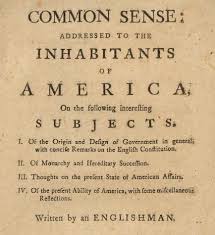
Who wrote a pamphlet called "Common Sense"?
a)
George Washington
b)
Thomas Paine
c)
Thomas Jefferson
d)
Patrick Henry
19.
According to the Declaration of Independence who gives us our rights? 
a)
given by God at birth 
b)
given by our government 
c)
given by our president 
d)
given by our parents 
20.
 Who wrote the Declaration of Independence?
a)
Benjamin Franklin
b)
James Madison
c)
Thomas Edison
d)
Thomas Jefferson
21.
Thomas Jefferson was inspired by a famous man of the Enlightenment.  His name was...?
a)
William Penn
b)
Roger Sherman
c)
John Locke
d)
Robert Livingston
22.
What are the three inalienable rights that all people have?
a)
Food, Shelter, and Clothing
b)
Life, Liberty and Death
c)
Life, Liberty and the Pursuit of Happiness
23.
Who gives government the ability to govern?
a)
The people
b)
Parliament
c)
The King
d)
The Sons of Liberty
24.
What country did The United States declare independence from?
a)
Britain
b)
France
c)
Spain
d)
Belgium
25.
The Declaration states that all men are created ___________.
a)
Just
b)
Equal
c)
the same
d)
Free
26.

What is a refusal to buy goods called?

a)

repeal

b)

boycott

c)

rebellion

d)

quartering

27.

The boycotting of paper, playing cards, printed material, etc., led to the repeal of what act?

a)

The Declaratory Acts

b)

The Coercive Acts

c)

The Intolerable Acts

d)

The Stamp Act

28.

After the French and Indian War, why did the British Parliament pass new laws?

a)

to keep the French from supporting the colonists

b)

to keep the colonists from returning to Britain

c)

to get the colonists to help pay for the war

d)

to get the Native Americans to return to their lands

29.

How do historians refer to the first shot fired at the Battle of Lexington?

a)

"The very first shot"

b)

"I am not giving away my shot"

c)

"The Infamous Shot"

d)

"The Shot Heard Round the World"

30.
What law that forced colonists to provide places to live for all the Redcoats in America?
a)
Townshend Acts
b)
Quartering Act
c)
Sugar Act
d)
Navigation Act
31.
What law placed high taxes on tea, cloth, and British goods?
a)
Townshend Acts
b)
Quartering Acts
c)
Navigations Acts
d)
Stamp Act
32.
What law placed high taxes on tea, cloth, and British goods?
a)
Townshend Acts
b)
Quartering Acts
c)
Navigations Acts
d)
Stamp Act
33.
After the Boston Tea Party...
a)
England did not tax the colonists
b)
King George surrendered
c)
King George closed Boston Harbor and created the Intolerable Acts
34.
Thousands of people died during the Boston Massacre.
a)
True
b)
False
35.
A group of colonists dressed as Indians and dumped British tea into the ocean. The became known as the Boston Tea party.
a)
True
b)
False
36.
What document officially ended the Revolutionary War?
a)
Treaty of Paris
b)
Stamp Act
c)
Declaration of Independence
 
37.
The "Great Charter"; an agreement signed by King John which limited the power of the King in England
a)
Magna Carta
b)
English Bill of Rights
c)
Declaration of Independence
d)
Constitution
38.
The Magna Carta and English Bill of Rights took power away from who?
a)
The Lords
b)
The Ladies
c)
The People
d)
The King
39.
In which event were colonists shot after taunting British soldiers?
a)
Lexington & Concord
b)
Boston Tea Party
c)
First Continental Congress
d)
Boston Massacre
40.
This Event took place in response to the Tea Act
a)
Tea Party
b)
Boston Massacre
c)
Bunker Hill
41.
What did the Mayflower Compact include?
a)
It was the first constitution in the colonies
b)
it had a form of self-government
c)
in was the first elected legislative assembly in the colonies
d)
none of these
42.
How many colonists died in the Boston Massacre?
a)
1
b)
2
c)
5
d)
10
43.
Where did the Boston Massacre occur? 
a)
Philadelphia
b)
New York City 
c)
Washington D.C.
d)
Boston
44.
Who was the King during the American Revolution?
a)
King Arthur
b)
Martin Luther King Jr.
c)
King George III
45.
What did the British Parliament make the colonists pay?
a)
Taxes
b)
Fees
c)
Gold and Spices
46.
This event was a result of the Tea Act
a)
Boston Massacre
b)
Boston Tea Party
c)
Stamp Act Protests
d)
Pontiac's Rebellion
47.
The Boston Tea Party was when colonists:
a)
had a nice lunch and drank tea
b)
dressed like Indians and threw tea in the harbor
c)
gave tea to their friends
d)
stopped drinking tea
48.

When did the Boston Massacre happen?

a)

1000 B.C.

b)

March 5, 1770

c)

March 15, 1770

d)

April 18, 1781

49.
Which type of government do the people have the most control?
a)
dictatorship
b)
monarcyh
c)
democracy
50.
If a leader inherits their position, you know right away it is a  __________________.
a)
monarchy
b)
democracy
c)
dictatorship
51.
What is the type of government where there is no ruler in charge, and has no structure of authority?
a)
Anarchy
b)
Oligarchy
c)
Theocracy
d)
Dictatorship
52.
What type of government has a king or queen that holds all the power?
a)
Monarchy
b)
Dictatorship
c)
Direct Democracy
d)
Republic
53.
Which of the following is a good example of a dictatorship?
a)
Great Britain
b)
Germany
c)
North Korea
d)
Canada
54.
The main reason most of the early settlers came to the colonies of Maryland, Massachusetts, Pennsylvania, and Rhode Island was to
a)
Obtain better jobs
b)
Seek religious freedom
c)
Search for gold
d)
 Help win the war against the Native Americans
55.
When was Mayflower Compact written?
a)
1410
b)
1492
c)
1655
d)
1620
56.
Enlightenment philosopher who believed people had natural rights of life, liberty, and property.
a)
John Locke
b)
Montesquieu
c)
Rousseau
d)
Voltaire
57.
Enlightenment philosopher who believed to limit government, that it should be divided into separate branches that shared power.
a)
John Locke
b)
Montesquieu
c)
Rousseau
d)
Voltaire
58.
Natural Rights
a)
Life, Liberty, and the Pursuit of Happiness.
b)
Life, Liberty, and Property
c)
Freedom
d)
Rights to say what we want, when we want to.
59.
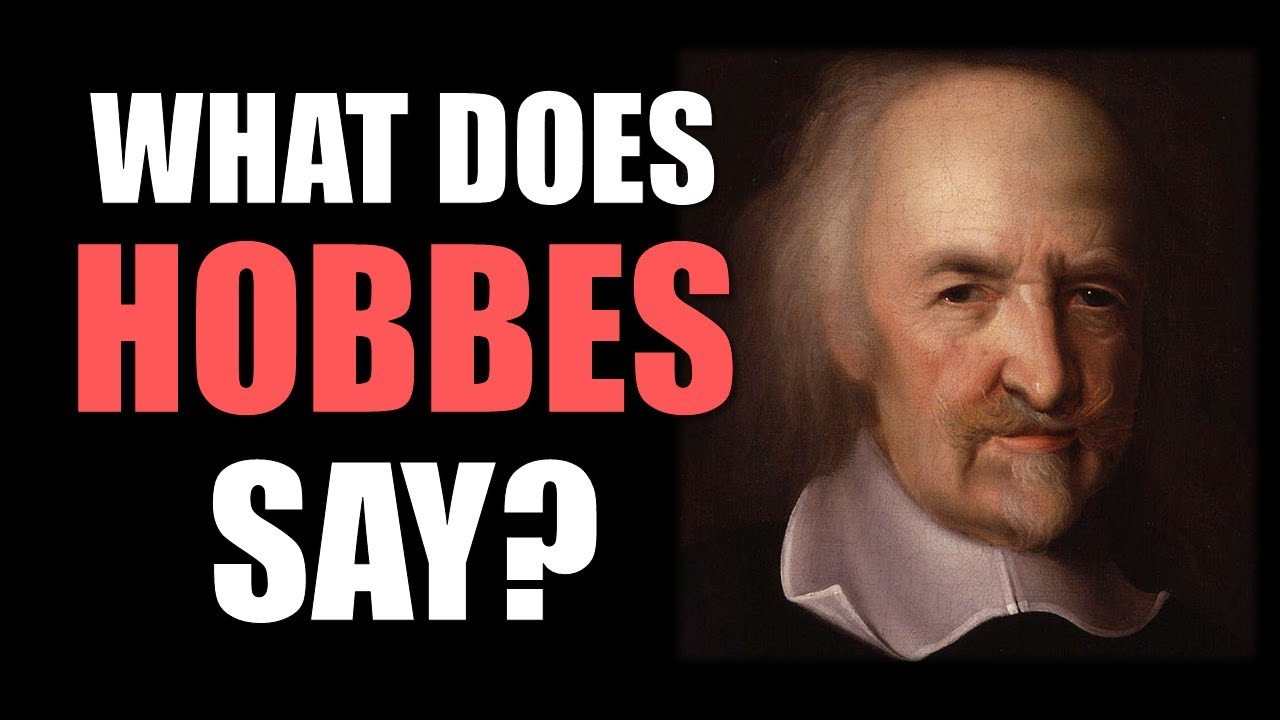
How did Hobbes view human nature?
a)
We are inquisitive and industrious.
b)
We are naturally selfish and quick to fight.
c)
We are naturally altruistic and usually willing to compromise.
d)
We are born a 'blank slate', and we develop differently according to our life's experiences..
60.
The ability of one branch of government to limit the power of the other is called ___.
a)
a natural law
b)
checks and balances
c)
a social contract
d)
laissez-faire
61.
An agreement between people and the government to give up some rights for safety and protection
a)
Philosophers
b)
Democracy
c)
Social Contract
d)
Divine Right of Kings
62.
American's used _________________'s idea of separation of powers to write the US Constitution. 
a)
A. Montesquieu
b)
B. Hobbes
c)
C. Rousseau
d)
D. Voltaire
63.

Which of the following was a complaint against the King?

a)

Suspended trial by jury in many cases

b)

He forced colonists to move back to England

c)

He let the rich people not pay taxes

d)

He had too much representation for the colonists

64.

What are unalienable rights?

a)

Rights that government cannot take away

b)

Rights that government takes away

c)

rights for aliens

d)

Government is needed to promote equality

65.

The Declaration of Independence was the start of what War?

a)

French and Indian

b)

WWII

c)

French Revolution

d)

Revolutionary War