
 Worksheets
CH 2 REVIEW (Ac Bio)
Total questions: 18
Worksheet time: 10mins
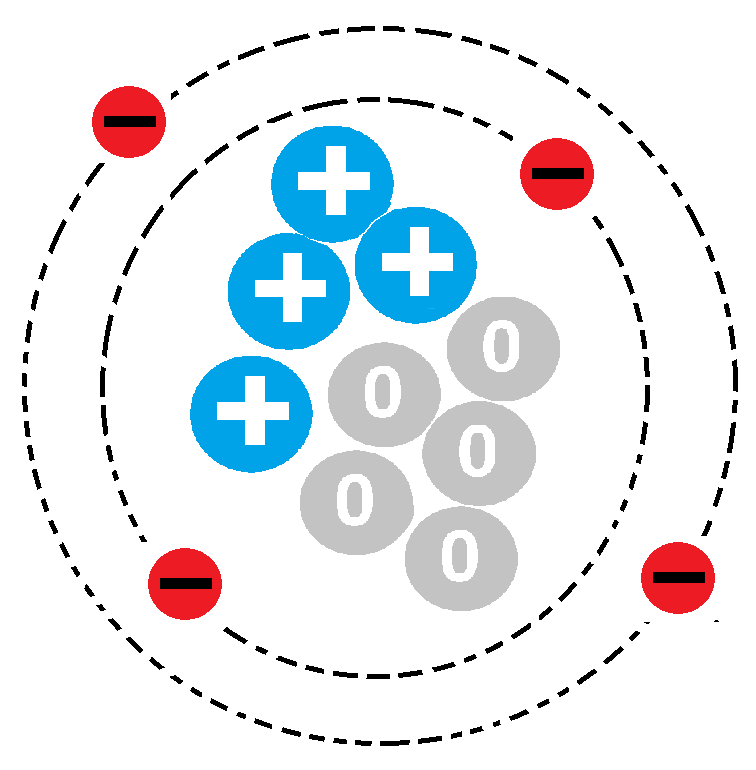


The four most common elements in living organisms are
C, H, O, Fe
C, H, O, Na
C, H, O, N
C, N, O, Na
Which of the following statements regarding matter is FALSE?
All life is composed of matter.
All matter has mass.
All matter is composed of elements.
All matter exists in the form of compounds.
A radioactive isotope is an isotope that
decays
is stable
has more protons than the common variant of the element
has the same atomic mass but a different number than the common variant of the element.
_____________ are weak bonds that are not stron enough to hold atoms together to form molecules but are strong enough to form bonds within and around large molecules
Ionic bonds
Covalent bonds
Polar covalent bonds
Hydrogen bonds
Which of the following statements regarding chemical reactions is FALSE?
Chemical reactions involve the making and breaking of chemical bonds
Some chemical reactions create electrons; others destroy them
The reactants contain the same number of atoms as the products.
As ice melts
Hydrogen bonds are broken
water molecules become less tightly packed
water becomes less dense
heat is released
Which of the following is dependent on the ability of water molecules to form hydrogen bonds with other molecules besides water?
the evaporative cooling of skin surfaces
the milder temperatures of coastal regions compared to inland areas
the ability of certain insects to walk on the surface of water
the universality of water as a solvent
In ocean acidification, dissolving CO2 gas ________ the pH of the ocean.
lowers
raises
triples
does not affect
In the equation 2 H2 + O2 → 2 H2O, the H2 molecules are ________ and the H2O molecules are ________.
reactants; products
products; reactants
created; destroyed
used; stores

