
 Worksheets
1.1 - Intro to Marine Bio
Total questions: 20
Worksheet time: 25mins

What is the goal of the pioneer species in Primary Succession?
To decompose all living matter
To breakdown rocks and rebuild soil
To feed the first organisms to arrive
To put fresh oxygen into the air
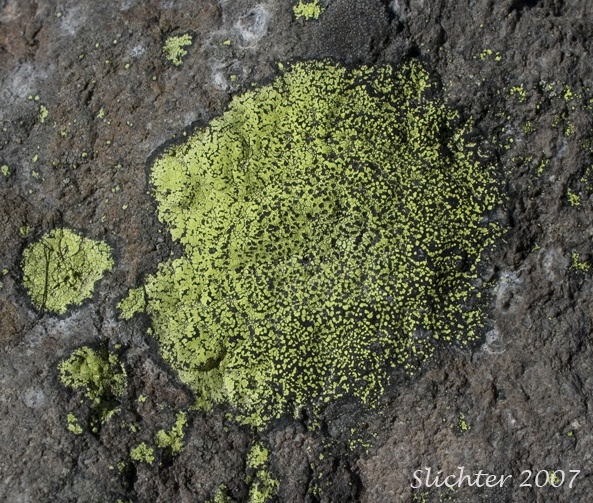
What is the name given to lichen or moss in primary succession?
pioneer species
volunteer species
founder species
conqueror species

The organisms visiting this whale fall would fall into which group?
bone specialists
species with unclear connections
background specialists
Sunny; shallow and warm tropical waters; extreme biodiversity (many fish, sharks, sea turtles, etc.) stony formations build up the base of the ecosystem.
Mangrove Forest
Coral Reef
Open Ocean
Rocky Shore
warm shallow waters; muddy sediment on seafloor, nutrient rich. Trees provide shelter & nursery for many marine organisms (fish, crabs, oysters, etc)
Mangrove Forest
Coral Reef
Open Ocean
Rocky Shore
Wide open space with available sunlight near surface, temperatures can vary. Home to whales, sharks, schools of fish and phytoplankton
Mangrove Forest
Coral Reef
Open Ocean
Rocky Shore
Harsh habitat with high & low tides (organisms deal with being wet and dry), sunlight, rocks, and sand. Home to many invertebrates such as crabs, barnacles, mussels and seaweeds.
Mangrove Forest
Coral Reef
Open Ocean
Rocky Shore
Dark, deep, cold water with no sunlight and extreme pressure. Home to squid, octopus, angler fish, and no green plants
Deep Sea
Kelp Forest
Polar Seas
Salt Marsh
Occurs along rocky coastlines, abundant sunlight and clear cool water. Appears as a dense forest with kelp growing from the seafloor to the surface. Home to fish, otters, urchins, mussels, and crabs.
Deep Sea
Kelp Forest
Polar Seas
Salt Marsh
Ice and snow dominate this space. Cold temperatures and little sunlight in winter. Home to polar bears, orcas, seals, krill, penguins, and phytoplankton.
Deep Sea
Kelp Forest
Polar Seas
Salt Marsh
Ecosystem has shallow water, tides, thick mud, and tall grasses. The water is brackish (salty) with lots of decomposition and nutrient cycling. home to many small fish and invertebrates such as crabs, lobsters, shrimp.
Deep Sea
Kelp Forest
Polar Seas
Salt Marsh
The interactions between biotic + abiotic + an energy source is defined as a(n) _________________.
community
ecosystem
succession
organisms
When species progressively replace one another until they reach a stable community
community
ecosystem
succession
organisms

By what month had most of the whale flesh been removed from the whale fall?
13
21
24
53
What causes the sudden increase in bone specialists at month 21?
A whale has died so there are nutrients available
The food source for background specialists has decreased allowing the bone specialists to feed off the oily whale bones
The bone specialist groups had a lot of babies
There is nothing for the organisms to feed on anymore
What does a stable whale fall community look like?
lots of flesh and organisms like hagfish and sharks feeding
worms and a few fish feeding on the bones. lots of activity
mats of bacteria decomposing the bones slowly while other invertebrates use the bone for shelter
All the living things within a specific environment
succession
ecology
biological community
population

