
 Worksheets
Texas Explorers From Europe
Total questions: 40
Worksheet time: 1hrs 5mins
Which explorer was looking for 'cities of gold'?
Pineda
Cabeza de Vaca
Coronado
Cortez
Which explorer was the first to make 'first contact' with the Texas Native Americans (Coahelticans and Karankawas)?
Columbus
Cabeza De Vaca
Coronado
Cortez
This explorer wrote the first Texas History Book, from his journals of his adventures across Texas and Mexico?
Coronado
Cabeza De Vaca
Cortez
Pineda
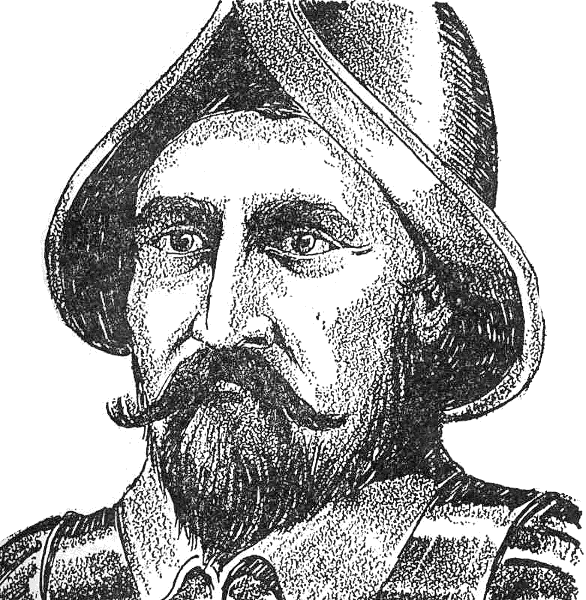
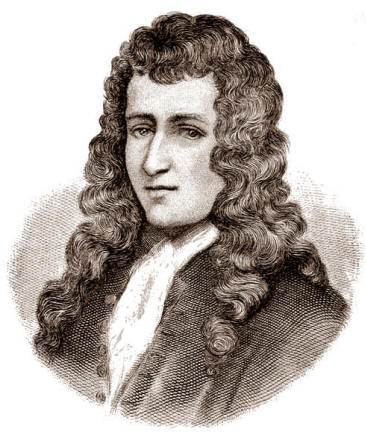
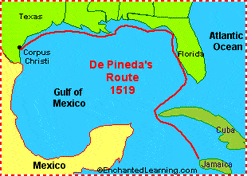
A Spanish soldier-explorer who sought personal riches and power, as well as wealth and glory for Spain, in the conquest for the Americas
conquistador
missionary
representative
privateer
Which is NOT apart of the 3 G's
God
Guns
Glory
Gold
An official who rules in the name of the king or queen
viceroy
prince
judge
governor
I established Fort St. Louis after not finding the Mississippi River:
La Salle
Cornado
Onate
Moscoso
I am known for crossing through the panhandle of Texas:
Onate
La Salle
Cornado
Moscoso
What was Cibola and what role did it play in the early Spanish exploration of Texas?
Cibola was a successful mission that was established in San Antonio
Cibola was a ship filled with Spanish colonists that landed on the Texas coast
Cibola was a legend about 7 cities of gold that drew many Spanish explorers to Texas
Cibola was a disease that wiped out many Spaniards
What did Spanish soldiers find when they arrived at Fort St. Louis in 1689?
A large number of hostile French soldiers
An empty and deserted settlement
A tribe of angry Indians
A group of friendly French settlers
What brought French explorer, La Salle, to the coast of Texas?
He thought this was where the Mississippi River emptied into the Gulf of Mexico
He believed the Indians were rich with gold
He was looking for the "Fountain of Youth"
He was searching for the Northwest Passage to Asia
Which Spanish sea captain was one of the 1st Europeans to land in Texas, who also survived several years of captivity by the Karankawa Indians?
Alonso Alvarez de Pineda
Alvar Nunez Cabeza de Vaca
Jose de Escandon
Antonio Margil de Jesus


Who Searched for the seven cities of gold and followed up on Cabeza de Vaca’s rumors of gold?
Juan de Onate
Francisco Coronado
Cabeza de Vaca
de Soto
An official who rules in the name of the king or queen
indigenous
tribute
conquistador
viceroy
What were the reasons for European exploration of the New World?
Gains
Glory
Gold
Guns
God
This explorer from Spain was looking for gold. He didn't find any, but he did travel all around the southeastern part of the United States. (1539)
Bartolome de Las Casas
Francisco de Coronado
Hernando de Soto
Francisco Pizarro
What was de Soto's biggest accomplishment from his explorations in North America?
Discovering Florida
Peaceful relationships with Native Americans
Brought back supplies and resources to Spain
Discovering the mouth of the Mississippi River
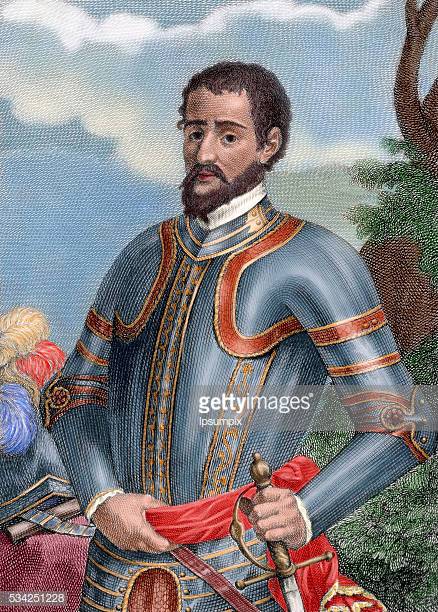
Hernando de Soto and his soldiers often treated Native Americans harshly during his search for
food and drink.
fame and power.
gold and silver.
rivers and trials.
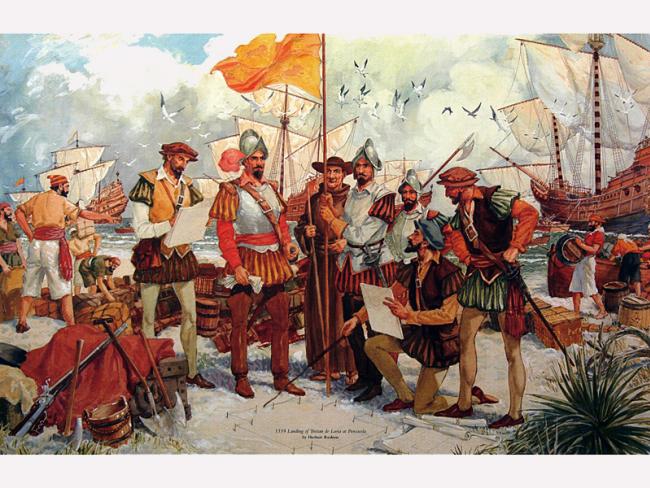
Which grouping lists the main reasons for Spanish exploration of the "New World"?
"God, glory, and gold"
"Salt, silk, and spices"
"Rum, slaves, and molasses"
"Trade, silver, and jewels"

What is the name of the trade policy designed to make a country wealthy by selling more than it buys?
Fair Trade
Import/Export
Mercantilism
Industrialism

Which statement provides the BEST description of how mercantilism functioned in the early English colonies?
The geography of England made it difficult to produce agricultural goods like cotton, tobacco, fruit, and spices.
The policy appealed to England's upper class citizens because it eased overpopulation and reduced poverty and crime.
Mercantilism was a trade policy based on the idea that a country should sell more to other countries than it buys from them.
The English colonies were used as a source of food crops, tobacco, and raw materials for England; the colonies also served as a valuable market for English goods.

