
 Worksheets
Civics Unit 1 and 2 review
Total questions: 25
Worksheet time: 20mins
Which political philosopher believed in the separation of powers and three branches of government?
According to the Declaration of Independence and John Locke, what is the main purpose of government?
To protect people's natural rights.
To provide services to its people
to collect taxes
there is no purpose of government and it should be abolished
This document from England influenced the the Bill of Rights in the US Constitution
Fundamental Orders of Connecticut.
Maryland Act of Tolerance
English Bill of Rights
Mayflower Compact
Freedoms protected by our government and the U.S. Constitution
Rights
Opportunities
Responsibilities
First 10 Amendments
In a __________ democracy, citizens are involved into the day-to-day workings of the government.
Indirect
Direct
Representative
Monarchy
Form of government that recognizes a god or divine being as the ultimate authority.
Oligarchy
Democracy
Anarchy
Theocracy
The Magna Carta signed by King John...
Limited the power of the King for the first time
set up the first direct democracy in England
Set up the first direct democracy in the American Colonies
gave the king full power and authority over his people
What are the "Natural Rights" according to John Locke
Life, Liberty, and Property
Life, Liberty, and Money
Life, Liberty and the pursuit of happiness
Life, death, and property

What is mercantilism?
the Stamp Act
when the Mother Country (England) benefits off its colonies
Policies that kept the colonists from housing British soldiers
Leaving the colony alone to govern itself

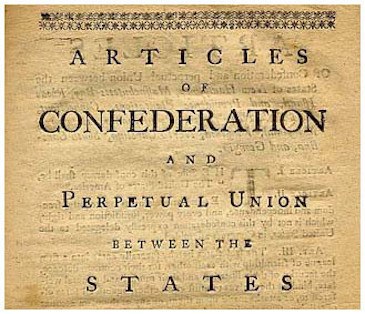
Federalists believed that the Articles of Confederation were a ________ and set up a ________ National Government.
Success, Strong.
Success, Weak.
Failure, Weak.
Failure, Strong.
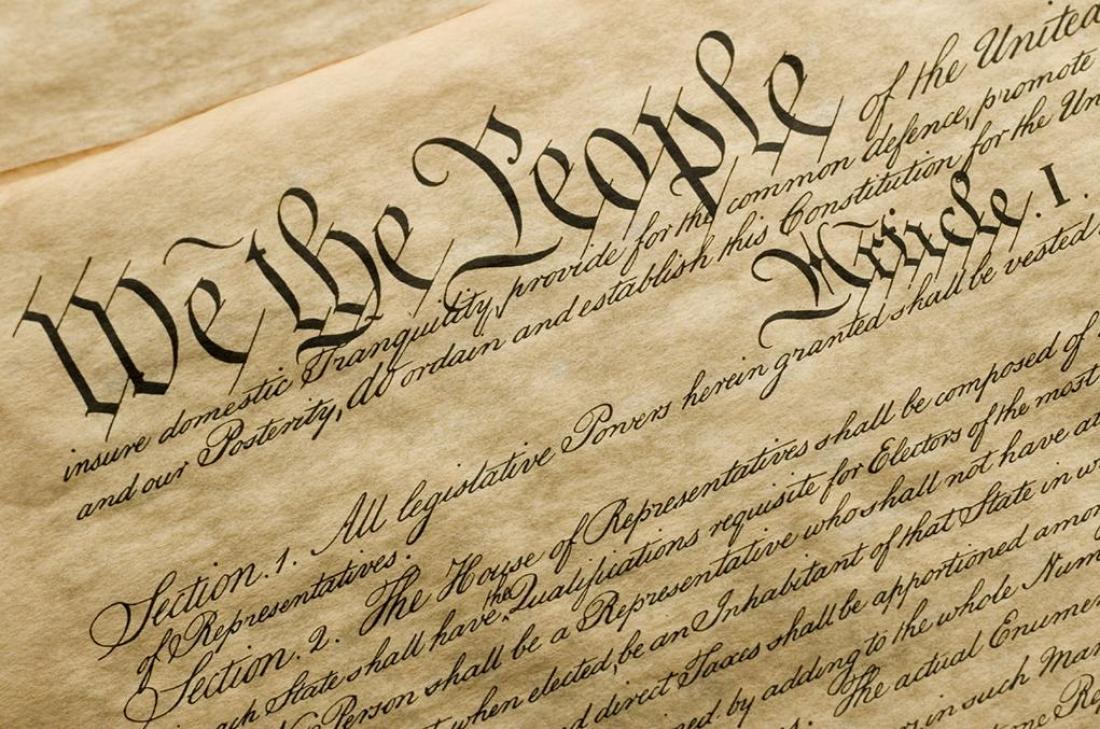
How did the Federalists and Anti-Federalists "compromise" to ratify (approve) the U.S Constitution?
The added the Bill of Rights (First 10 Amendments)
They outlawed cruel and unusual punishment.
Ensured due process of the law.
The Federalists threatened the Anti-Federalists to war.
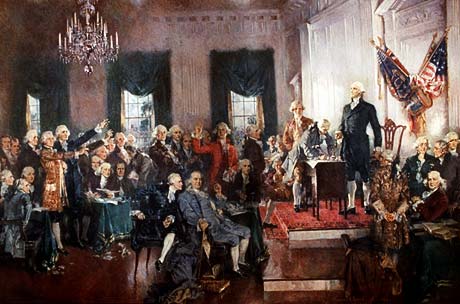
What solves the issue of "can slaves be counted?" in the new nations population count?
The 3/5ths Compromise
The 1/2 Compromise
The 3/4ths Compromise
The 4/4 Compromise
Which compromise created a two house legislature with one house based on population and one house with equal representation?
Three-Fifths Compromise
New Jersey Plan
Great Compromise
Virginia Plan
Which of the following quotes would have been said by an "Anti-Federalist"?
the system safeguards such as federalism and separation of powers protect the citizens
no Bill of Rights is needed under the new government because the people will be protected by the states
the economy of our country should be focused on industry, manufacturing, and trade
the rights of the people and the states will be trampled upon by another tyrannical government
Which of the following arguments best explains why the Federalists wanted to ratify the US Constitution?
the federal government wouldn't become too powerful because it would share power with the state governments
They believed that a Bill of Rights was the only way to protect the people from the abuses of the government
the executive branch would be able to make and enforce all the laws for the new country
by outlawing slavery the new government would enforce the claims of the Declaration that all men are created equal.

From 1690 to 1760, Parliament and the king of England allowed colonists in America to exercise a great deal of control over local and regional matters. Historians have described this practice as “salutary neglect.”
Which of the following happened as a direct result of this policy?
The colonies developed a strong tradition of self-government.
Many proprietary colonies were converted to royal colonies.
The colonies refused to participate in a system of common defense.
Many colonies sought economic aid from other countries.
Which statement best explains the significance of the Mayflower Compact?
It limited the power of future colonial governments.
It weakened the influence of religion in government.
It established the first form of self-government based on majority rule and self government in the colonies
It guaranteed liberties for colonists through local government.

