
 Worksheets
Scientific Method
Total questions: 26
Worksheet time: 48mins
The dependent variable in an experiment is what you ________________.
Change/Manipulate
Observe/Measure
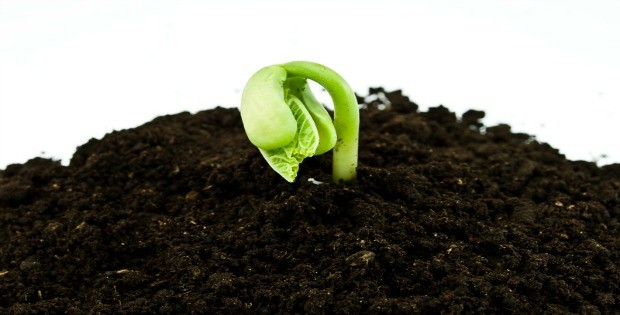
Stephen predicted... If an electric current traveled through the soil in which they were planted then seeds would start to grow faster because the cell would be stimulated more.
recognize a problem (ask a question)
test the hypothesis with an experiment
form a hypothesis
draw conclusions
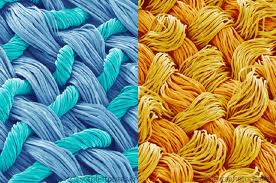
Dana want to know how different are synthetic fibers from natural fibers.
recognize a problem (ask a question)
test the hypothesis with an experiment
form a hypothesis
draw conclusions
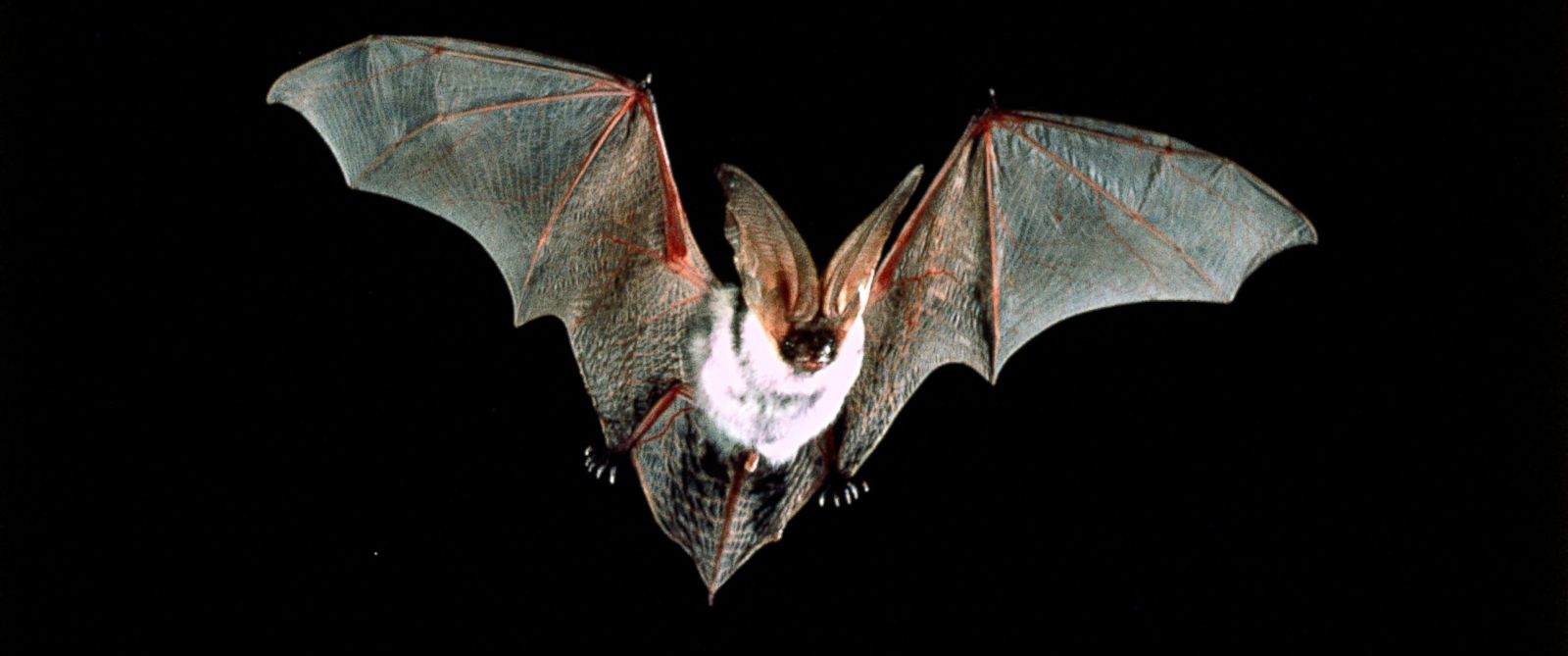
Jose saw bats catching insects after dark. He asked, “How do bats find insects in the dark?”
recognize a problem (ask a question)
test the hypothesis with an experiment
form a hypothesis
draw conclusions

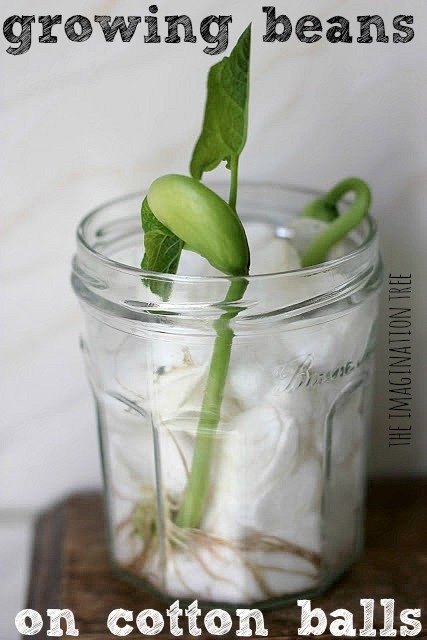
Arjulia soaked six different kinds of seeds in water for 24 hours. Then she planted the seeds in soil at a depth of 1 cm. She used the same amount of water, light, and heat for each kind of seed.
recognize a problem (ask a question)
test the hypothesis with an experiment
form a hypothesis
draw conclusions
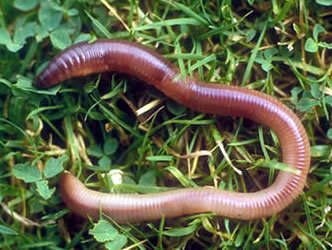
Angela’s experiment proved that earthworms move away from light.
recognize a problem (ask a question)
test the hypothesis with an experiment
form a hypothesis
draw conclusions
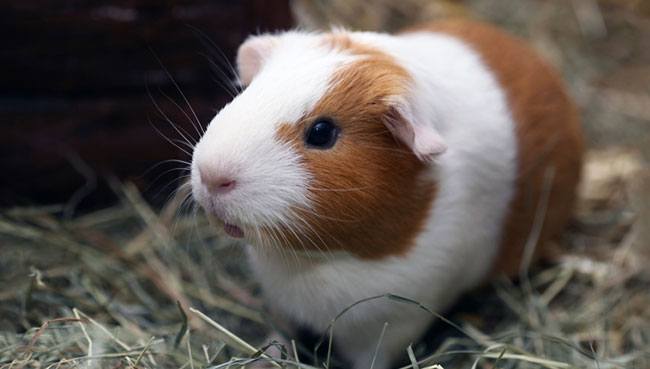
Michael fed different diets to three groups of guinea pigs. His experiment showed that guinea pigs need vitamin C and protein in their diets.
recognize a problem (ask a question)
test the hypothesis with an experiment
form a hypothesis
draw conclusions
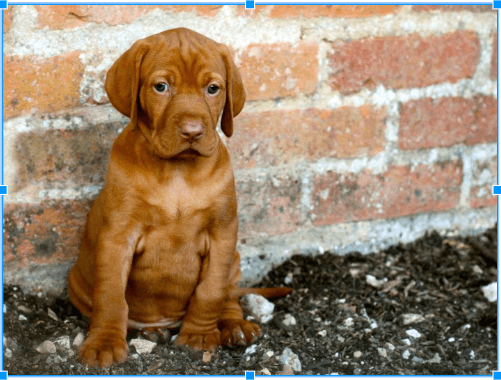
Observation or inference: This is a brown puppy.
Observation
Inference
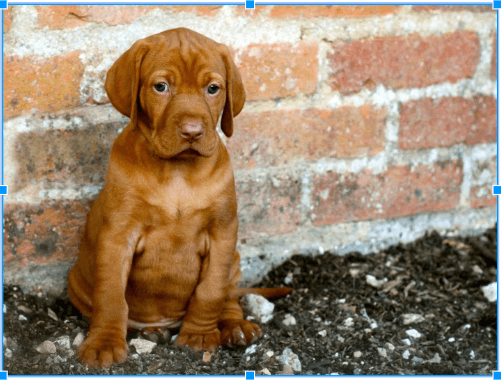
Observation or Inference: This puppy was abandoned
Observation
Inference
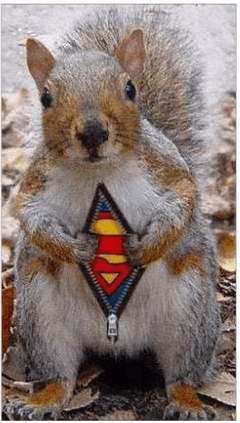
Select ALL of the qualitative observations.
The squirrel has 2 arms.
The squirrel has gray fur.
The squirrel is wearing a Superman outfit.
The squirrel is going to save the world.

Observation or Inference: The cat is scared.
Observation
Inference

Observation or Inference: The cat has 2 eyes, 2 ears, and 1 mouth?
Observation
Inference
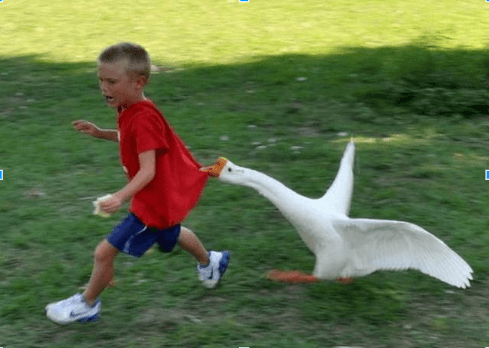
Which answers are QUANTITATIVE? Select all of the right answers.
There is one white goose.
The boy is really upset.
The goose looks scary,
The boy has 2 white sneakers.

240 cm = ___________ m
2400
24
2.4
0.24

0.932 g = ___________ mg
9.32
93.2
932
9,320


