

wayground logo

Free Printable Worksheets

NEW

Font size

S
M
L
XL
Worksheets

Biological Interactions and Relationships - 5.1

Total questions: 21

Worksheet time: 11mins
Name
Class
Date
1.
Tree kangaroos live in the upper branches of trees in the rainforests of Queensland, as well as on the island of New Guinea. This is an example of the tree kangaroos ___.
a)
niche
b)
habitat
c)
community
d)
population
2.
What is the name of an animal that is hunted and eaten by other animals?
a)
producer
b)
prey
c)
predator
d)
decomposer
3.

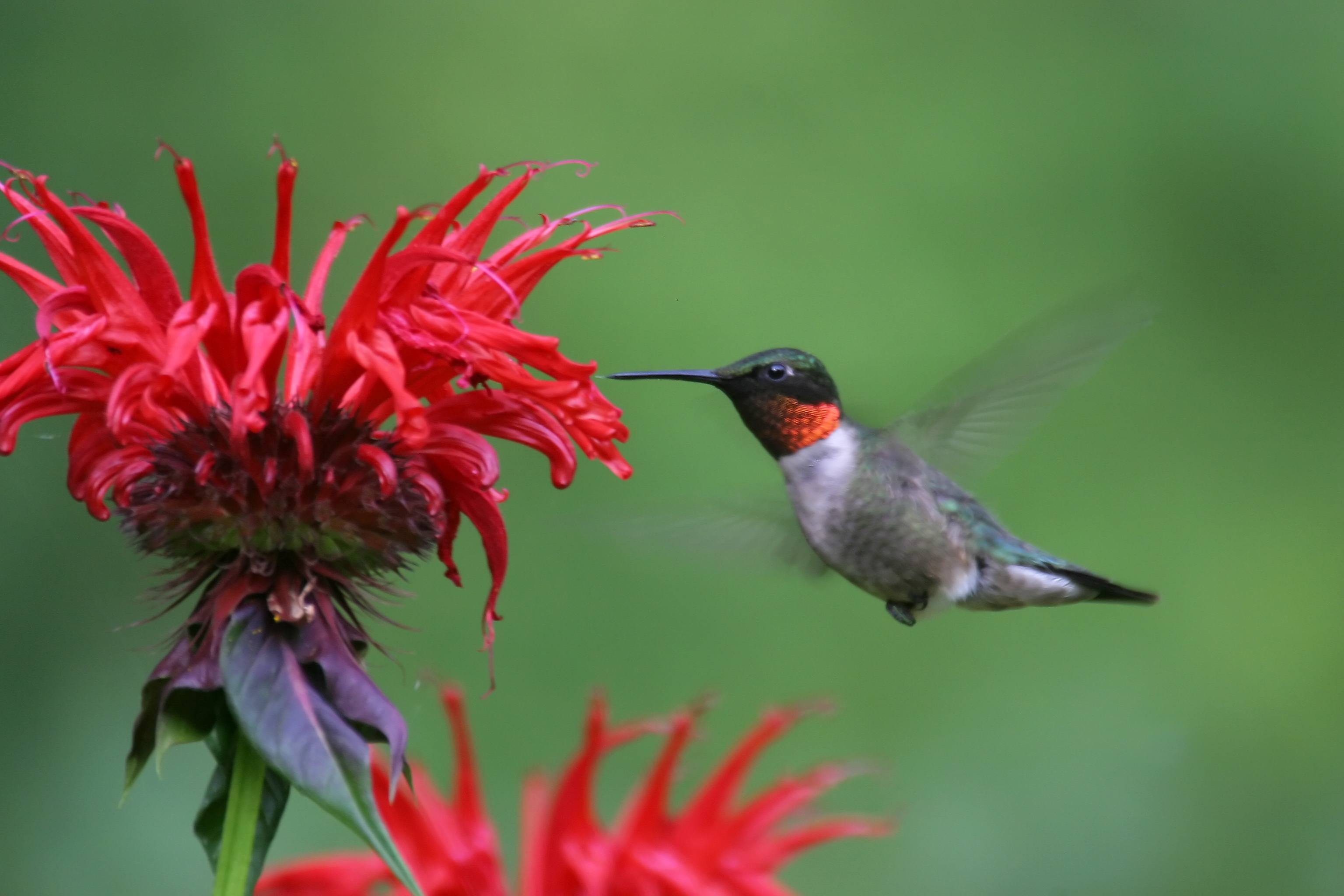
Hummingbirds feed on nectar from flowers. The flowers are pollinated by hummingbirds as they move from flower to flower. This is an example of

a)

commensalism

b)

mutualism

c)

parasitism

d)

predation

4.

Groups of different populations that live in a given area and interact are called a(n)...

a)

Community

b)

Colony

c)

Population

d)

Ecosystem

5.

The study of interactions between organisms and their environment is

a)

niche

b)

community

c)

ecology

d)

ecosystem

6.

Rabbits and deer eat lettuce leaves from a garden.

What ecological interaction describes the relationship between rabbits and deer?

a)

Mutualism

b)

Competition

c)

Commensalism

d)

Predation

7.

All of the members of a particular species that live in one area are called a(an)

a)

biome.

b)

population

c)

community

d)

ecosystem.

8.
In the ocean, a sea anemone attaches itself to the shell of a hermit crab. The stinging arms of the sea anemone protect the hermit crab, while the movement of the hermit crab brings food to the sea anemone. Which best describes the relationship between the sea anemone and the hermit crab?
a)
commensalism
b)
mutualism
c)
parasitism
9.

Role or position a species has in its environment

a)

habitat

b)

niche

c)

ecosystem

d)

biome

10.

Which term best describes two predators living in the same habitat who feed on the same prey?

a)

coexistence

b)

competition

c)

mutualism

d)

predatory

11.

Plants interact with living and nonliving components in their environment. Which is an interaction with a nonliving element?

a)

Small insects eating the stems of the plants

b)

Humans breathing oxygen released by plants

c)

Bees gathering pollen from flowers of plants

d)

Sandy soil holding the roots of the plants

12.

relationship in which two species live closely together

a)

resource

b)

mutualism

c)

succession

d)

symbiosis

13.

A living relationship between two species in which one organism is harmed is called...

a)

mutualism

b)

commensalism

c)

parasitism

d)

niche

14.

symbiotic relationship in which both organisms benefit

a)

competition

b)

Mutualism

c)

nitrogen fixation

d)

energy pyramid

15.

_____________ are LARGE areas that have similar climate, plant life, and animals.

a)

ecosystem

b)

habitat

c)

population

d)

biomes

16.
Which feature helps an animal hide from other animals?
a)
looking like a dangerous animal
b)
being the same color as the place it lives (camoflauge)
c)
having sharp claws or a strong shel
d)
having only a few young and caring for them
17.
A giraffe has a long neck in order to better reach leaves to eat.  This is an example of _____. 
a)
an adaptation
b)
environment
c)
response
d)
stimulus
18.
A frog eats a fly. The frog and fly are demonstrating ________.
a)
mutualism
b)
competition
c)
predator/prey
d)
parasitism
19.
The crocodile and bird have a _______________ relationship.  The crocodile benefits by having its teeth cleaned.  The bird benefits by gaining food and protection.  Both animals benefit from this relationship.
a)
parasitism
b)
predator and prey
c)
mutualism
d)
commensalism
20.
_______________ are the living factors in an environment and may include food sources and other populations.
a)
Community
b)
Competition
c)
Biotic factors
d)
Population
21.
Temperature, light, air, water, and soil are all  _____  parts of the environment
a)
alive
b)
biotic 
c)
abiotic
d)
living
