
 Worksheets
BL_Respiratory System
Total questions: 20
Worksheet time: 40mins

Given the following structures:
1. larynx
2. nasal cavity
3. pharynx
4. trachea
Identify the correct order of air flow during exhalation.
1,2,3,4
2,3,1,4
2,1,3,4
4,1,3,2

Select the actual site of gas exchange with the blood.
bronchi
bronchioles
alveoli
ventricles

Choose the statement that does not refer to a characteristic of human lungs.
Both right and left lungs are composed of three lobes.
Bronchi divide to form bronchioles.
Capillary supply is abundant to facilitate gas exchange with the blood.
The alveoli are tiny air sacs arranged in clusters.

Identify the process that allows the movement of oxygen from the alveoli to the blood and from the blood to the tissues.
osmosis
diffusion
cytokinesis
phagocytosis

Select the correct role of the mucus and and cilia in the respiratory system.
warm the air.
clean the air.
humidify the air.
All of the choices are true.

Predict the condition when amphibians are likely to complete gas exchange through their skin.
When it is raining
When there is a lot of pollution in the air
When they are under water
When the humidity level is high

Identify the respiratory surface of aquatic animals.
Exchange gases through gills.
Exchange water through the gills
Exchange gases through tracheal system
Exchange water through tracheal system

Identify the respiratory surface of earthworm
Lungs
Body surface
Cell membrane
Tracheal system

Choose the INCORRECT statement regarding countercurrent flow
It is one way to increase efficiency of gas exchange
Two fluids; blood and water flows in opposite direction
Two fluids; blood and water flows in the same direction
It allows blood to always passing water that still has oxygen.

Select the following that is not a way to increase the efficiency of a respiratory system
increase the surface area available for diffusion of gases
decrease the distance over which the gases must diffuse
increase the concentration differences of gases inside and outside the system
dry the system out so the gases do not have to diffuse through water

Select the animals with tracheal system.
earthworms
grasshoppers
cnidarians
all of the above

Determine the factor that allows the lungs of birds to exhibit maximum respiratory efficiency.
one way flow without significant water loss
the fact that all birds have very small lungs
Both are correct
Neither of the option

Identify the type of breathing in amphibians, where air is forced into the lungs, not drawn into the lungs.
negative pressure breathing
forced air breathing
positive pressure breathing
terrestrial breathing

The expansion of the lung and inhalation of air are in part the result of
The muscles of the lungs relaxing
Increased pressure of the thoracic cavity
The contraction of the muscles of the diaphragm
All are correct.

Identify the flow of air in bird respiratory system during its second inhalation
Air moves from posterior air sacs to lungs
Air moves from lungs to anterior air sacs
Air moves from anterior air sacs to nostrils

Choose the following that occurs during inhalation
When you breathe in your diaphragm expands and your ribcage contracts
When you breathe in your diaphragm contracts and your ribcage expands.
When you breathe in your diaphragm explodes and your ribcage contradicts.
When you breathe in your diaphragm does not move and your ribcage expands.

The use of oxygen by the cells to release energy from food is called
photosynthesis
cellular respiration
diffusion
osmosis

Select the INCORRECT characteristic of gills
Gills need to be moist
Thick wall of the lamella
It is highly vascularized
All are correct
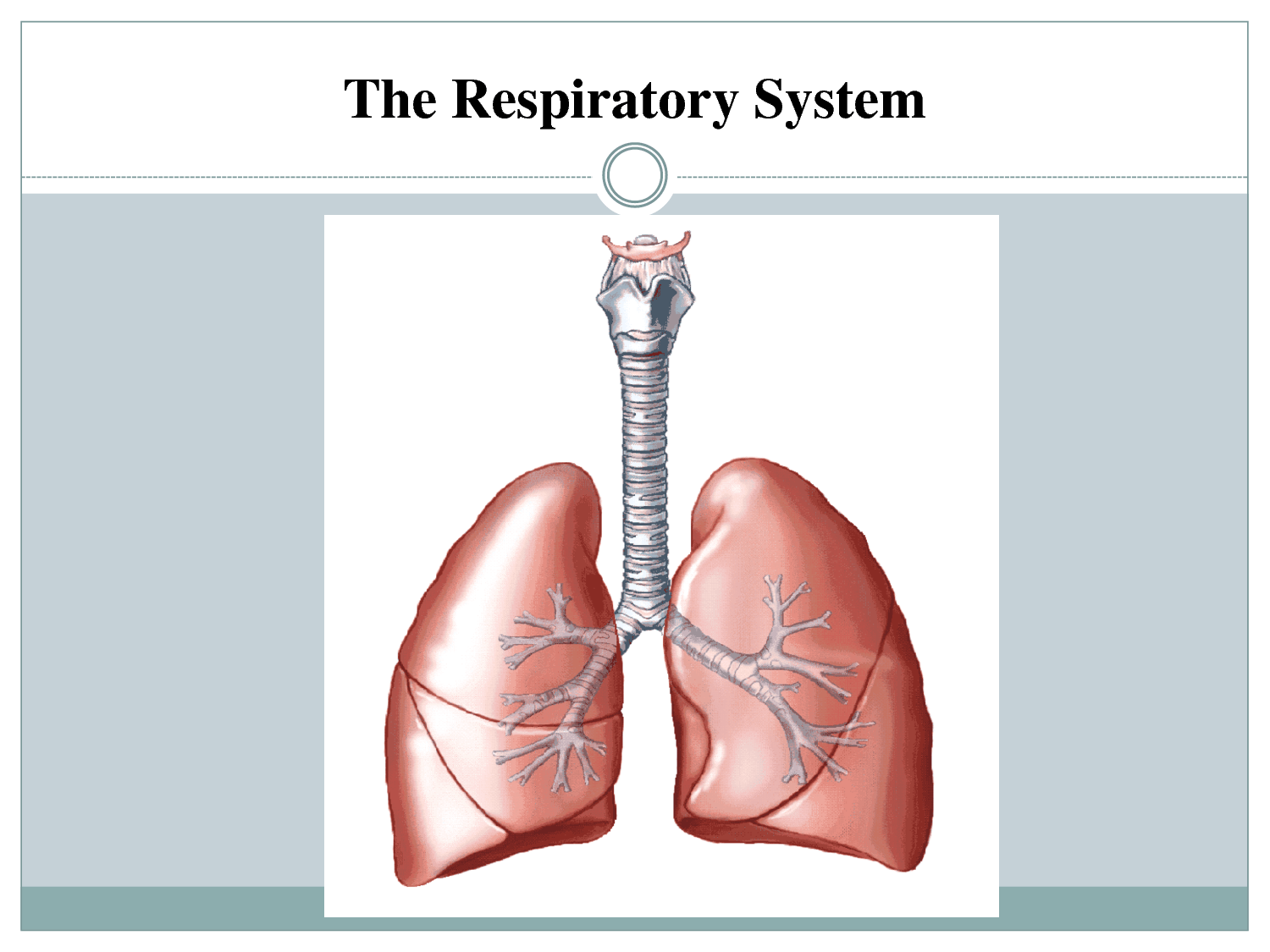

The thin skeletal muscle that sits at the base of the chest and separates the abdomen from the chest. It contracts and flattens when you inhale.
Intercostal
Diaphragm
Epiglottis
Larynx

