
 Worksheets
Physical and Chemical Properties/Changes
Total questions: 40
Worksheet time: 40mins
Flammability
Physical Property
Chemical Property
Solubility
Physical Proeprty
Chemical Property
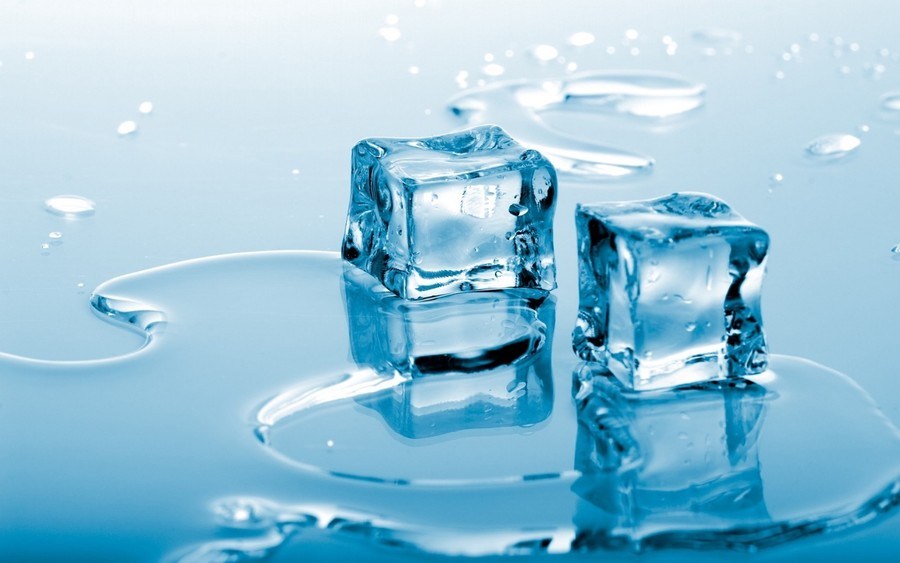
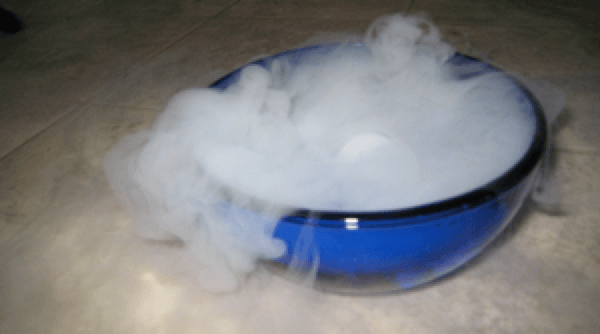

Physical or Chemical Change? Iron rusting
Physical Change
Chemical Change

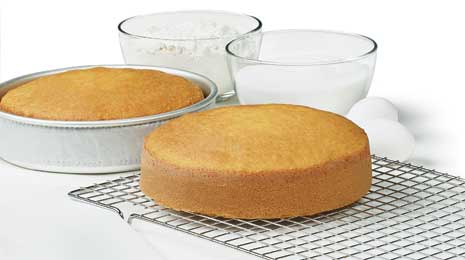


Which of the following is NOT an example of a physical change?
crumpling paper
sharpening a pencil
clothes shrinking
sour milk
A change in which NEW substances are formed.
Chemical change
Physical change

Salt dissolved in water is a
physical change
chemical change
Describes how matter reacts with other matter. Examples: flammability and toxicity.
physical properties
chemical properties
If there is an unexpected change in color, production of light, production of heat, production of gas, production of smell or formation of a new substance...it is a
physical change
chemical change
A cup of water is left outside for two days. When it was checked there was only half a cup left. What happened?
evaporation; chemical change
condensation; physical change
evaporation; physical change
condensation; chemical change
A teacher is demonstrating physical and chemical changes to her class. Which action should she use to demonstrate a chemical change?
cutting a piece of paper
folding a piece of paper
tearing a piece of paper
burning a piece of paper
Which phrase most accurately describes a chemical change?
A change on the molecular level.
A change in appearance.
A change in taste.
A change in size.

Rotting fruit produces a bad smell. This happens because the fruit is experiencing a
physical change
chemical change
What is an example of a chemical change that happens inside your body?
Food being broken down by acids in your stomach.
Food being broken down into small pieces by your teeth.
Food being moved to your stomach.
Water being absorbed inside your large intestine.
The amount of mass per unit of volume of a substance (m/v) is
density
volume
oxidation
The ability of a substance to burn is
oxidation
flexibility
flammability
solubility
The ability of a substance to be pulled into a thin wire is
malleability
ductility
solubility
flammability
The ability of a substance to be molded is
ductility
malleability
viscosity
flammability
A property of matter that can be observed with the senses without changing the matter’s identity (often a change in form or appearance)
nonreactivity
chemical property
physical property
Color, hardness, width, mass, volume, and density are examples of
chemical properties
phases of matter
reactivity
physical properties
Water changing from a solid to a liquid is a
chemical change
physical change
change in the phase of matter
both a physical change and a change in phase of matter
The formation of the compound molecule salt (NaCl) is a
physical change
chemical change
change in state of matter
Which one is a chemical change?



