
Font size
 Worksheets
Weathering, Erosion, Deposition, Water on Earth
Total questions: 25
Worksheet time: 21mins
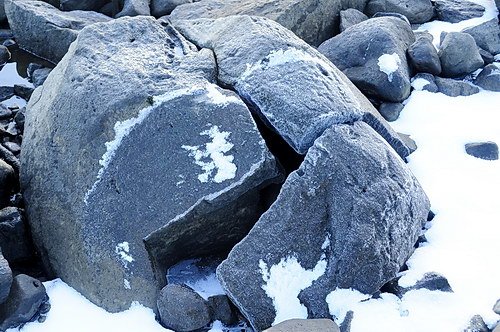
How does freezing water cause the weathering of rocks? The freezing water—
keeps the rocks in place.
makes the rocks last longer.
expands cracks and breaks rocks.
causes rocks to fall in landslides.
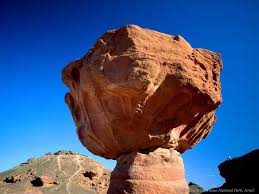
The process that breaks down rocks and other materials on Earth's surface is called
Weathering
Erosion
Deposition
Decomposition

Over long periods of time, deposition may change the Earth’s surface by _____.
forming new land features.
breaking down large rocks into smaller ones.
washing away beaches.
moving topsoil.

A cliff formed near the ocean. Which statement best describes how this cliff formed?
Warm air melted the rock.
Sun rays evaporated the rock.
Ocean waves washed away rock.
Plant roots pushed away the rock.


What causes the greatest erosion effect on our beaches?
Waves
Gravity
Glaciers
Wind

What is an enormous mass of ice moving over land, causing weathering of rock and soil?
A glacier
An iceberg
An ice wedge
A sand dune
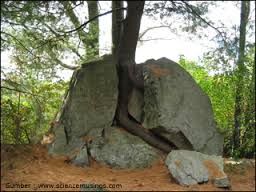
How do plants weather rocks?
During photosynthesis
When roots grow into cracks of rocks and expand the rock breaks.
When the plant moves water from the roots to the leaves, the rock breaks.
Plants don't weather rocks.

Which of the following is NOT a slow change to Earth's surface?
Weathering
Erosion
Deposition
Landslides
Some agents of weathering are water, wind, ice, temperature and plant roots.
true
false

Rocks being picked up and carried downstream is an example of ____________.
weathering
erosion
deposition
Wind blasting sand at rock and carving out arches
weathering
erosion
deposition
Glaciers dropping rock and sand to form terminal moraines
weathering
erosion
deposition
Where is most of Earth’s water located?
glaciers
lakes
oceans
rivers
What is groundwater?
water that fills space between rocks of Earth
water found within a lake or pond
water that is evaporated from the surface of Earth
water that is found in the ocean
Water can exist on Earth as...
solid ice
liquid water
the gas water vapor
All of above
What are the two kinds of water that exist on Earth?
Freshwater
Saltwater
Sugarwater
Bluewater
Freshwater makes up how much of the Earth's water supply?
97%
75%
25%
3%

Oceans are
Freshwater
Saltwater

Rivers are
Freshwater
Saltwater

Lakes are
Freshwater
Saltwater

Well water is
Freshwater
Saltwater
Where is most of Earth's freshwater found?
in the ground
in the atmosphere
in lakes and rivers
in glaciers and icecaps
What is an aquifer?
a layer of rock that holds groundwater
a type of cloud
a way to conserve water
a way to purify water

