
NEW
Font size
 Worksheets
Ch. 2-Part 1/Physical Geography Review
Total questions: 29
Worksheet time: 15mins
solstice
a process in which the sun heats the ocean
section of Earth's crust
times of year when the sun's rays hit Earth most directly and least directly
when day and night are of equal length
equinox
when day and night are of equal length
the times when the sun's rays hit Earth most directly and least directly
condition in the atmosphere at a particular time
violent shaking of Earth's crust
plateau
a section of Earth's crust
plant life
a plain that sits above sea level
the condition in the atmosphere at a particular time
continental shelf
the land at the edge of a continent that gradually slopes downward
a hill or mountain with steep sides and a flat top
a strong storm with swirling winds and heavy rainfall
a violent shaking of Earth's crust
climate
the plants and animals of the ocean
the condition in the atmosphere at a particular time
the average condition of the atmosphere over a long period of time
a resource, such as oil, that can be used up
weather
the plants and animals of the ocean
the condition in the atmosphere at a particular time
the average condition of the atmosphere over a long period of time
a resource, such as oil, that can be used up
vegetation
plant life
a community of plants and animals and their habitat
the plants and animals of the ocean
a level area of land
hurricane
the natural environment in which a plant or animal lives
a process in which the sun heats the ocean
a section of Earth's crust
a strong storm with swirling winds and heavy rainfall
cyclone
a storm with rotating winds
a process in which the sun heats the ocean
a section of Earth's crust
a strong storm with swirling winds and heavy rainfall
nonrenewable resource
a resource, such as oil, that can be used up
a resource, such as solar power, that never runs out
renewable resource
a resource, such as oil, that can be used up
a resource, such as solar power, that never runs out
How long does it take the Earth to make one revolution around the sun?
1 day
1 week
1 month
1 year
How long does it take the Earth to rotate once on its axis?
1 day
1 week
1 month
1 year
In the Northern Hemisphere, winter solstice takes place on...
March 21-22
June 20-21
Sept 20-21
Dec 21-22
In the Northern Hemisphere, spring equinox takes place on...
March 20-21
June 20-21
Sept 20-21
Dec 21-22
In the Southern Hemisphere, summer solstice takes place on...
March 20-21
June 20-21
Sept 20-21
Dec 21-22
In the Southern Hemisphere, autumn equinox takes place on...
March 20-21
June 20-21
Sept 22-23
Dec 21-22
In the Northern Hemisphere, what day has the most daylight?
March 20-21
June 20-21
Sept 22-23
Dec 21-22
In the Northern Hemisphere, what day has the least daylight?
March 20-21
June 20-21
Sept 22-23
Dec 21-22
What is used to describe a group of places that share the same climate?
climate latitude
climate region
climate group
climate area
What is the term for the longest day of the year in the Northern Hemisphere?
Winter Solstice
Summer Solstice
Autumn Equinox
Spring Equinox
a level area of land
plateau
plain
basin
mountain
a plain that sits above sea level and usually has a cliff on one side
plateau
plain
basin
island
process by which rocks and soil slowly break apart and are swept away
vegetation
basin
erosion
solstice
a depression or dip in the Earth's surface
basin
plateau
butte
strait
What are the two types of natural resources?
land and water resources
biological and mineral resources
solid and liquid resources
sun and moon resources
Sylvia Earle says humans harm the ocean in what two ways?
putting too much in and taking too much out
swimming too much and sailing too much
researching too much and fishing too much
taking too many cruises and putting too much garbage in
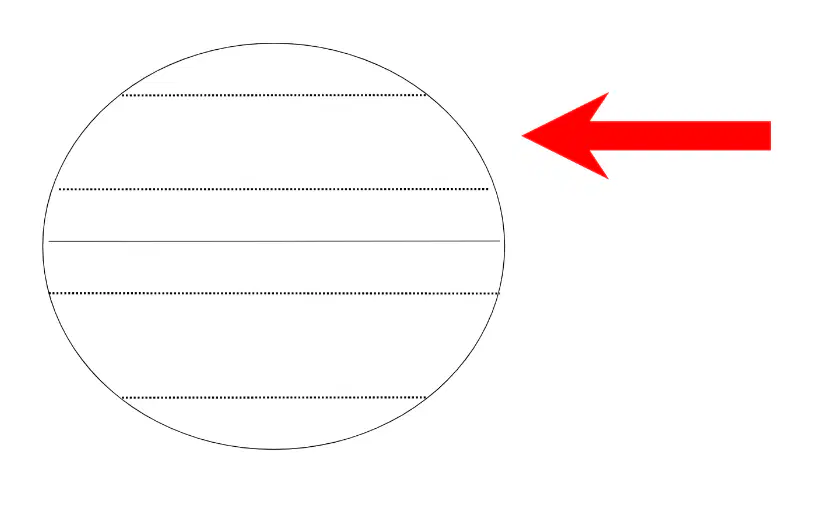
What climate zone is the arrow pointing to?
tropical
temperate
polar
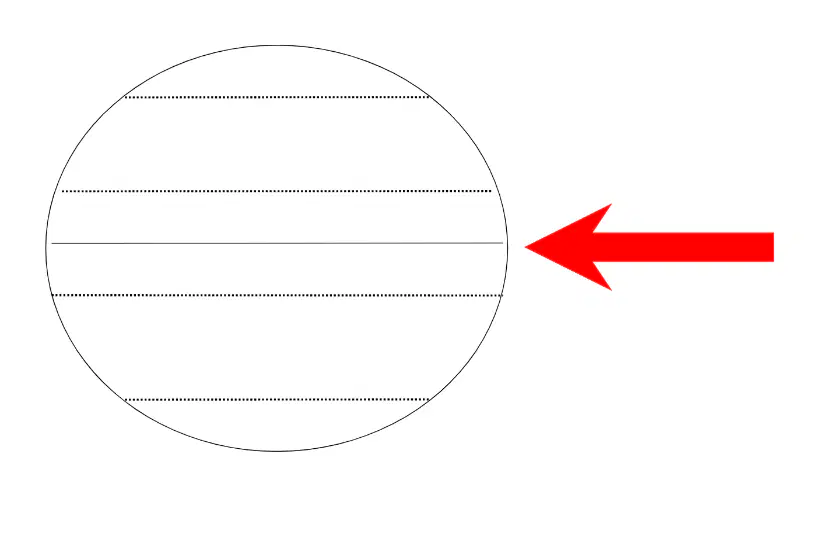
What climate zone is the arrow pointing to?
tropical
temperate
polar

