
NEW
Font size
S
M
L
XL
 Worksheets
Water Structure & Properties Warmup
Total questions: 13
Worksheet time: 20mins
Name
Class
Date
1.
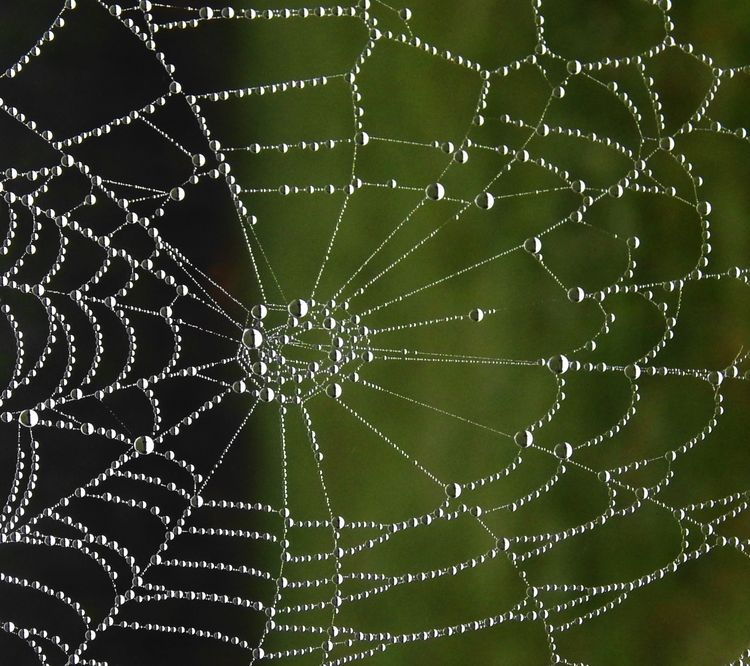
What word describes when water is attracted to other substances?
a)
cohesion
b)
adhesion
c)
capillary action
d)
surface tension
2.
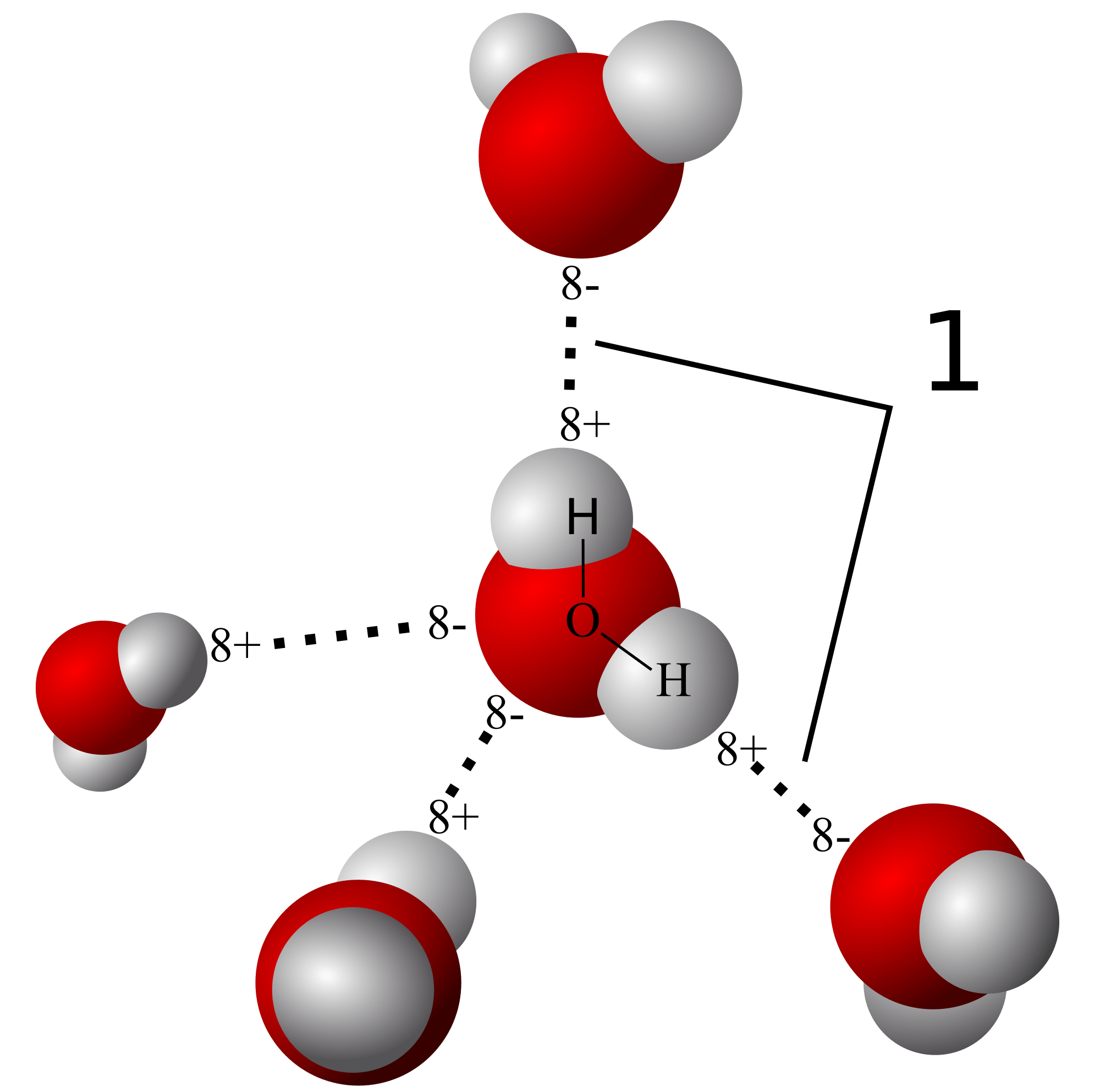
Attractions between water molecules are called
a)
Covalent bonds
b)
Ionic bonds
c)
Polar bonds
d)
Hydrogen bonds
3.
Water is polar because...
a)
The unequal sharing of electrons gives the water molecule a slight negative charge near its oxygen atom and a slight positive charge near its hydrogen atoms.
b)
The molecule has two poles, at which the it is colder than other regions of the molecule.
c)
The unequal sharing of electrons gives the water molecule a slight negative charge near its hydrogen atoms and a slight positive charge near its oxygen atom.
d)
The water molecule is neutral.
4.
Why does ice float?
a)
As water freezes, it expands and its density decreases.
b)
As water freezes, it takes up more hydrogen from the atmosphere, causing it to have a greater buoyancy.
c)
As water freezes, air becomes trapped between the hydrogen bonds of water molecules.
d)
As water freezes, it takes up more oxygen from the atmosphere, causing it to have a greater buoyancy.
5.
Which end of the water molecule has a slightly positive charge?
a)
the oxygen end
b)
the hydrogen end
c)
both ends are slightly positive
d)
neither end is positive
6.
Water is a universal solvent because it...
a)
It can be found anywhere
b)
It freezes when it gets cold
c)
floats when frozen
d)
Dissolves most substances
7.
Which types of compounds dissolve easily in water?
a)
Polar and Nonpolar
b)
Polar and Ionic
c)
Nonpolar and Ionic
d)
Covalent and Nonpolar
8.
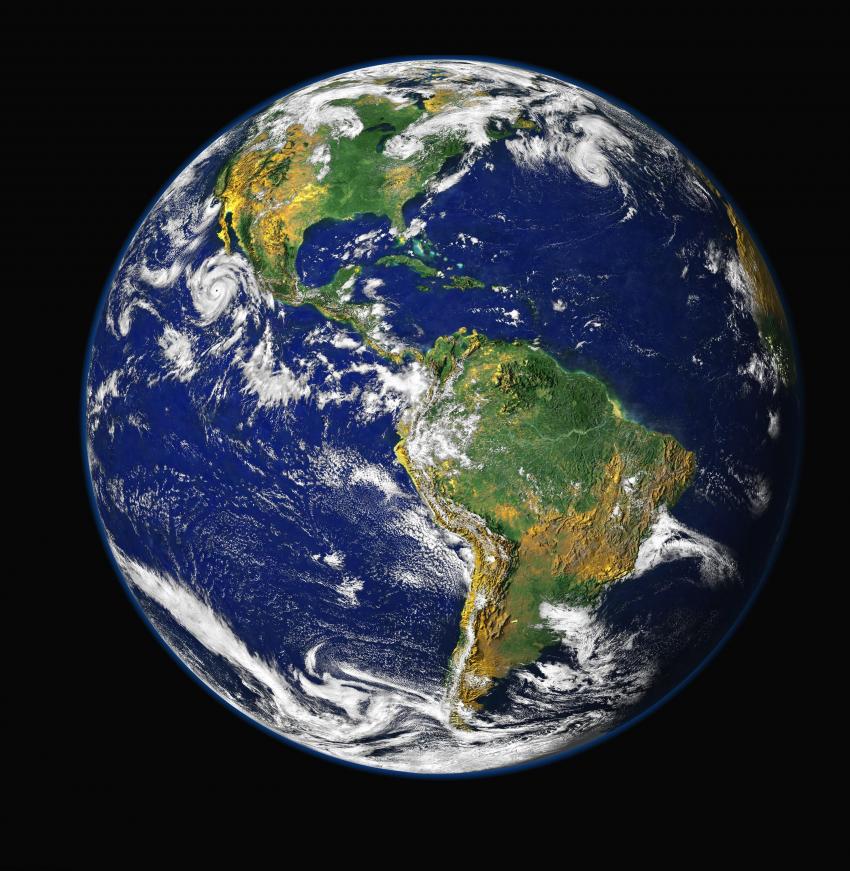
What property of water helps to moderate earth's temperature?
a)
adhesion
b)
chohesion
c)
Specific heat capacity
d)
Latent heat of vaporization
9.
What is the chemical formula of water?
a)
H2O
b)
H202
c)
HO
10.
What is surface tension?
a)
an elastic film on the surface of the water caused by hydrogen bonds
b)
an elastic band that holds all the water together
c)
the tightness at the bottom of the water
d)
an elastic film on the surface
11.
The _____________ is the part of the solution that is dissolved.
a)
Smaller molecule
b)
Larger molecule
c)
Solute
d)
Solvent
12.
Due to its polarity, water doesn't mix with ____________ substances like _____________.
a)
polar; oil
b)
polar; salts
c)
Non-polar; oil
d)
Non-polar; salts
13.
When water moves up a piece of paper, or up a tree against gravity, it is displaying the property of water known as
a)
Adhesion
b)
Capillary action
c)
Cohesion
d)
Density
Reset

