
 Worksheets
Coasts quiz
Total questions: 40
Worksheet time: 28mins
What is deposition?
When waves lose energy and drop sediment along the coast.
The wearing away of land by water or wind.
The movement of sediment along the beach.
The distance that the wind has traveled over water.
What are destructive waves?
Waves with a strong swash and gentle backwash.
Waves with a strong backwash and gentle swash.
Giant waves that come far into land.
Large tidal waves that move up rivers.

What is this type of wave?
Constructive wave
Destructive wave
"Rocks rolled along the sea bed" is what type of transportation?
Saltation
Suspension
Traction
Solution

What is attrition?
Sediment grinds against the cliff like sandpaper
Chemicals in the sea water dissolve rock on the cliff face
Waves smash into the cliff forcing air into cracks
Rocks smash into each other becoming smaller and more rounded
A large fetch creates big waves because...
the wind has traveled a long distance
the wind is falling from a great height
the wind has less energy
the wind has traveled over the land

Rock armour prevents erosion by: (2)
absorbing the energy of the waves
deflecting the energy of the waves
dissolving the energy of the waves
eroding the energy of the waves
Soft engineering is helpful because: (2)
it does not damage the environment
it is relatively cheap to use
it is built to last a long time
it uses man-made materials

This castle is situated on hard rock sticking out to sea. This is called:
a headland
a bay
a wave-cut platform
a spit
Boulder clay is a resistant rock
True
False
Which are hard engineering strategies? (2)
Beach nourishment
Managed retreat
Rock armour
Groynes

How do groynes prevent erosion?
They deflect the energy of the waves
They provide platforms for fishing
They trap sediment and build up the beach
They increase longshore drift
How do sea walls protect the coastline?
The absorb the energy of the waves
They reflect the energy of the waves
They dissolve the energy of the waves
They build up the beach
Which are depositional landforms? (2)
Spits
Wave-cut platforms
Beaches
Caves
Which is the correct order?
Stack, stump, cave, arch
cave, arch, stump, stack
cave, stack, arch, stump
cave, arch, stack, stump
Which processes lead to the formation of a spit.
Erosion and deposition
Weathering and erosion
Weathering and transportation
Transportation and deposition
What is erosion?
When waves lose energy and drop sediment along the coast.
The wearing away of land by water.
The movement of sediment along the beach.
The distance that the wind has traveled over water.
What is longshore drift?
When waves lose energy and drop sediment along the coast.
The wearing away of land by water or wind.
The movement of sediment along the beach.
The distance that the wind has traveled over water.

When cliffs slump downwards this is called:
Slumping
landslides
rock falls
wave cut platforms
What is the main geology of the Holderness Coastline?
Boulder clay
Sandstone
Chalk
Limestone
Which of the following are found at headlands?
Sea wall
Stacks
Slumping
Caves
Why does Mappleton have sea defenses?
It has a very small population
It is a tourist destination
It has many farms that need protecting
It has a main road close to the sea
How much money was spent to build rock armour and rock groynes at Mappleton?
£200,000
£2 million
£20 million
£200 million
Why has erosion has increased further down the coastline?
More destructive waves are hitting the coast
The groynes at Mappleton are trapping sediment
Weathering has made the cliff softer
Animals have been trampling down the cliff
Where is the Holderness Coast located?
South Wales
Western Scotland
East Yorkshire
North Linconshire
Why do you think the North Sea brings many destructive waves to the Holderness Coast?
It has a strong swash
It has very calm weather
It has a long fetch
It is very shallow
What do we call waves moving towards the coastline?
Longshore drift
Backwash
Swash
Fetch
Which are landforms created by erosion?
Spits
Wave-cut platforms
Beaches
Caves
What determines the direction of longshore drift?
The position of the moon
The prevailing wind
The fetch
The position of groynes
Which processes directly erode the coastline?
Hydraulic action
Attrition
Abrasion
Solution
Abrasion is
erosion due to the force of water
erosion due to sediment rubbing
erosion due to chemicals
erosion due to wind
Saltation is...
Particles bounce along the river bed or sea floor
Pebbles roll along the river bed or sea floor
Particles suspended within the water
Dissolving of chemicals
Which two reasons suggest that the Holderness coastline needs protecting?
Much of the town is built on hard rock like chalk
Much of the coastline is soft clay which erodes easily
It has lots of factories that produce lots of goods
It has a long fetch which creates powerful waves
Which is our coastal protection case study?
Holderness
Llanwrst N.Wales
Somerset
Dorset
When the coastline is protected with coastal defenses this is called:
Hold the line
Do nothing
Retreat
Advance
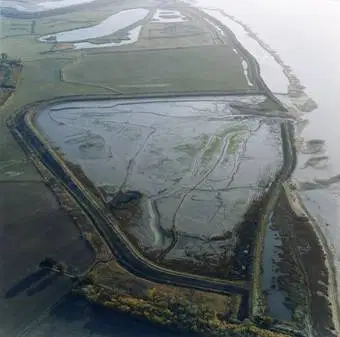
What type of coastal engineering is this?
Managed retreat
Sea wall
Rock armour
Sand dune regeneration
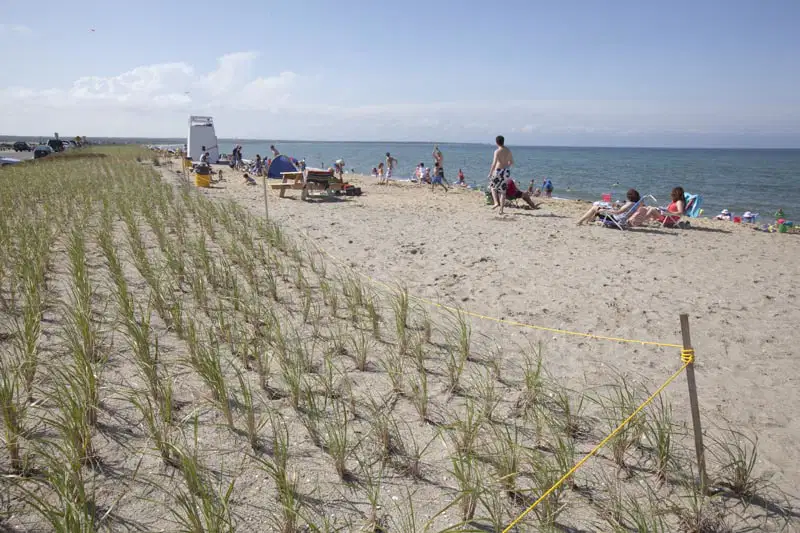
What type of coastal engineering is this?
Managed retreat
Sea wall
Rock armour
Sand dune regeneration
How are sand dunes formed?
The force of the waves
The wind blows sand onto the shore
Sand is trapped by obsticles such as rocks
Vegetation colonises and stabilises the dunes

