
 Worksheets
LAST CALL: Theme and Characterization
Total questions: 18
Worksheet time: 9mins
Name
Class
Date
1.
Which ONE of the following does NOT describe the theme of story?
a)
the message of a story
b)
the moral of a story
c)
the main idea and details
d)
the lesson of a story
2.
The theme of a story bust be inferred (figured out) by the reader because it is not clearly stated to the reader.
a)
True
b)
False
3.
Andre's tiny sailboat capsized, but he was able to swim to a nearby desert island. Has he looked around her realized he would need to find a way to protect his body and skin extreme heat and sun. He also needed fresh water and something to eat. He knew he wouldn't make it very long if he couldn't shelter himself and find food and water.
Which of these BEST describes the conflict in this story?
Which of these BEST describes the conflict in this story?
a)
Andre's sailboat is not covered by insurance
b)
Andre capsized his boat because he fell asleep
c)
Andre must find a way to survive on the deserted island until someone rescues him
d)
Andre wishes he would've gone on a hiking trip instead
4.
Which is an example of DIRECT characterization?
a)
Molly giggled and blushed when Maxwell waved at her in the hallway.
b)
She was always staring at the window daydreaming about Maxwell.
c)
Maxwell was 15-years-old and a freshman in high school.
d)
He often wore his letter man jacket even when it was hot outside.
5.
Ulysses spent all of his free time reading books and felt that he was very intelligent. One day a nice student from his class asked him if he wanted to go sledding and Ulysses responded, “I’ve read about sledding in books, and it sounds miserable. No, thank you.” On another day, a different friendly student asked Ulysses if he wanted to go out for hot dogs after school. Ulysses responded, “I’ve read that hot dogs are filled with rat parts and pig bellies. No, thank you.” Nobody asked Ulysses to hang out again, but he did read about friends in his books.
What is the theme of this story?
What is the theme of this story?
a)
Do not judge a book by it's cover
b)
Money can't buy happiness
c)
If at first you don't succeed, try again.
d)
Learning from books is not a substitute for real life experience, etc.
6.
Which sentence from the story best represents the theme of "learning from a book is not a substitute for real life experience"
a)
One day a nice student from his class asked him if he wanted to go sledding.
b)
On another day, a different friendly student asked Ulysses if he wanted to go out for hot dogs after school.
c)
Ulysses responded, "No."
d)
Nobody asked Ulysses to hang out again, but he did read about friends in his books.
7.
Which of these is NOT a theme found in stories?
a)
You can accomplish anything with hard work and dedication
b)
The human spirit is resilient even in the hardest of times
c)
Love
d)
You should always treat others with respect if you want to be treated well
8.
The best definition of theme is...
a)
The lesson the author is teaching.
b)
The message the author is sending.
c)
A word that summarizes the story.
d)
The character's main problem.
9.

Which of these things is not related to the "theme" in a story?
a)
how a character is feeling
b)
a "life lesson" the main character learns
c)
a big idea that people from any culture or any place can understand
d)
the moral of the story
10.
One way you could figure out the theme is to...
a)
Skim through the story
b)
Just read the beginning of the story
c)
Think about what the character has learned
d)
Read the ending of the story
11.
What is the main difference between THEME and MAIN IDEA.
a)
Theme is a universal lesson, and main idea is what a story is about.
b)
Theme is what a story is about, and main idea is the universal lesson it teaches.
12.

What is the theme of this story?
a)
Eat your vegetables.
b)
Don't brag. Be modest.
c)
Don't talk to strangers.
d)
What does the fox say?
13.

What is the theme of this story?
a)
Slow and steady wins the race.
b)
Don't be lazy.
c)
We are stronger together than we are apart.
d)
If you try to go on your own, you will get eaten by a big fish.
14.
If the author directly tells you what the character is like, that is:
a)
direct characterization
b)
indirect characterization
15.
If the author shows you what the character is like and you have to infer, that is
a)
direct characterization
b)
indirect characterization
16.
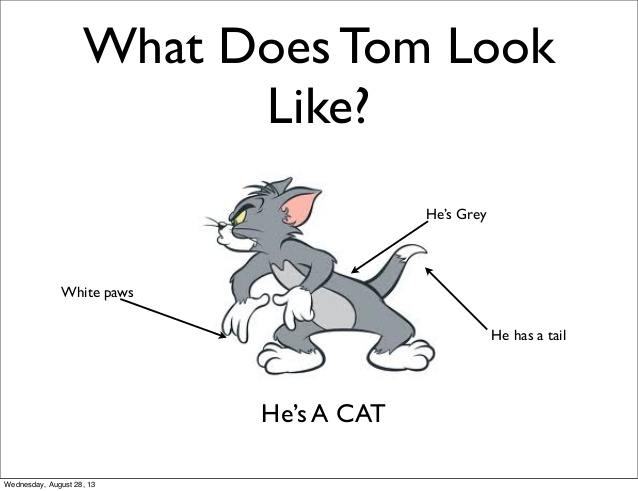
Which of the following is an example of direct characterization?
a)
He tapped his foot anxiously.
b)
"I wouldn't trust that man," said Ma.
c)
Frank was a shy, quiet person.
d)
Every time he earned a high grade, he would hang the test on his wall.
17.
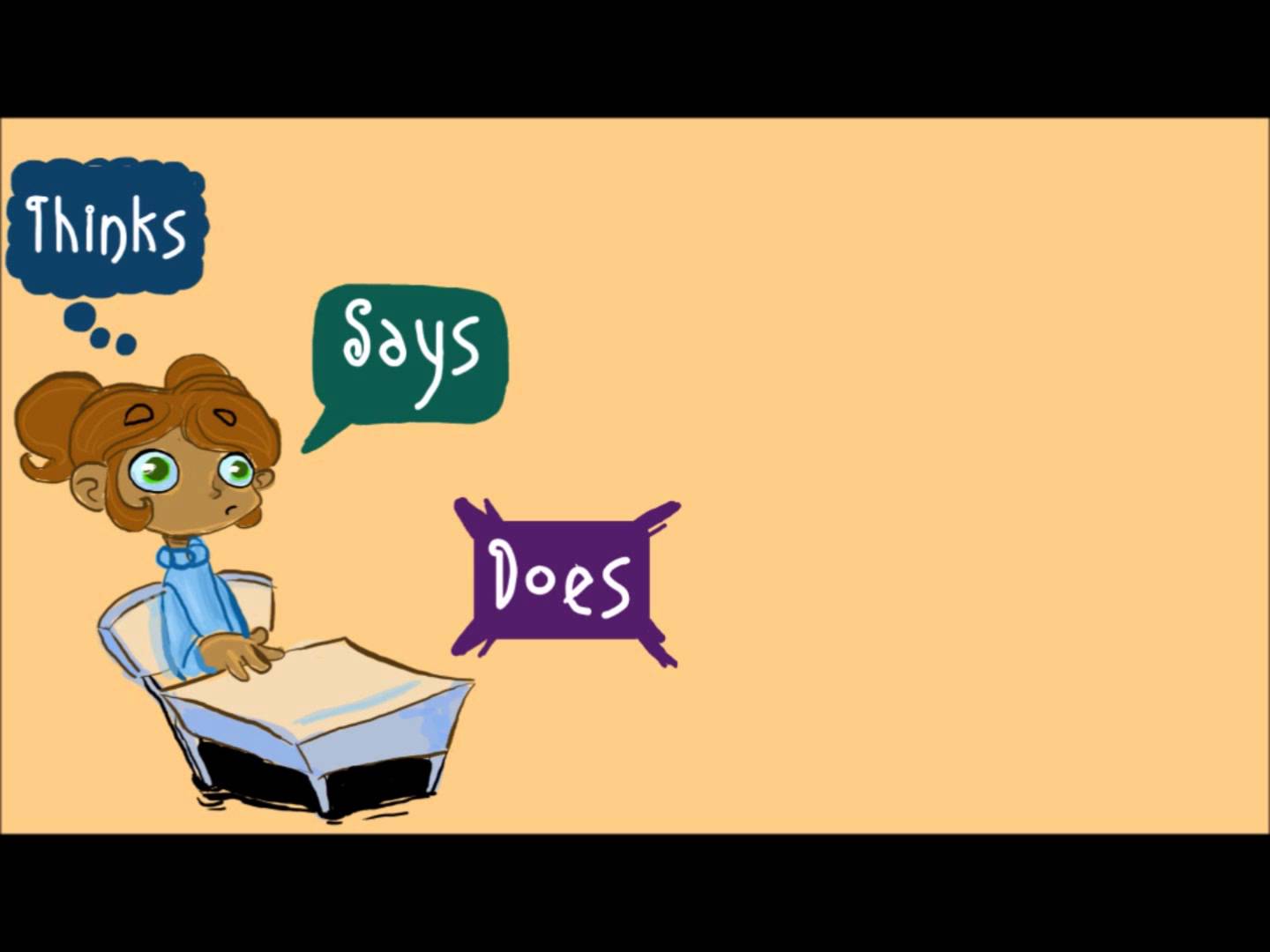
Which of the following is an example of indirect characterization?
a)
Marcia was a good listener and wonderful friend.
b)
Marcia felt the knot in her stomach grow when she saw the number of questions on the test, and she tugged her hair anxiously.
c)
Marcia was a nervous person.
d)
Marcia was an optimist who always believed the best about people.
18.
What type of character trait is the following example?
Tiffany loved when her teachers gave her creative projects. Her favorite things to do were paint, write music, play her guitar, and mold pottery.
Tiffany loved when her teachers gave her creative projects. Her favorite things to do were paint, write music, play her guitar, and mold pottery.
a)
direct characterization
b)
indirect characterization
100 %

