
 Worksheets
BIOL 100 Logistic Population Growth
Total questions: 22
Worksheet time: 16mins
Elephants typically have one offspring every few years that they will take care of for 2-3 years and elephants live long long lives.
Elephants exhibit exponential growth.
Elephants exhibit logistic growth.
Elephants have a performance curve.



If you are big, long lived and have only a few offspring over your life and provide a lot of parental care you are described as...
K- selected
r- selected
Q- selected
w- Selected
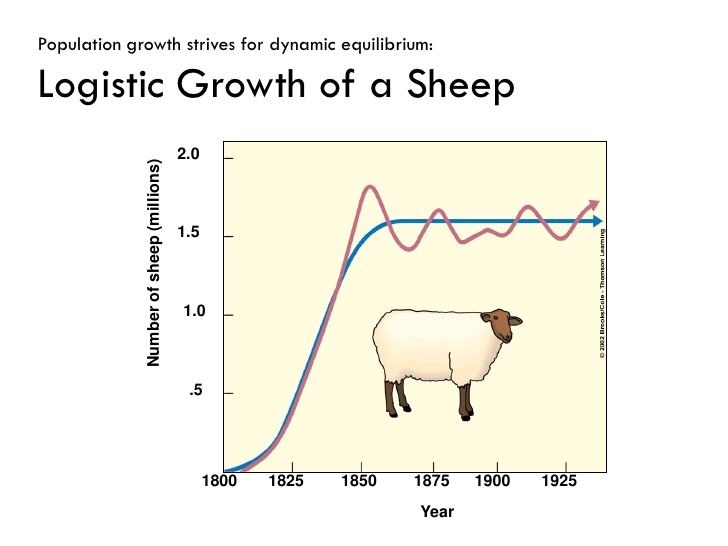
What type of population growth is depicted in this graph?
exponential growth model
logistic growth model
performance curve
Species that grow logistically tend to
have few high quality offspring
are larger
are longer lived
have parental care
exploit stable, renewable resources


Due to social stress from a very large colony, large numbers of female lemmings miscarry their young and fail to reproduce.
Density-Dependent
Density-Independent
Many fish die due to a drastic change in water temperature.
Density-Dependent
Density-Independent
An extensive drought in the plains threatens wildebeest, giraffe, zebra, and springbok populations.
Density-Dependent
Density-Independent
Which of the following is a density-dependent limiting factor?
human activities
unusual weather
competition for food resources
natural disaster
Which of the following is a density-independent limiting factor?
natural disaster
predation
disease
parasitism
Which of the following would NOT be an example of a density dependent limiting factor?
fire
disease
lack of food
space
Which of the following would NOT be an example of a density independent factor?
predation
tornado
hurricane
fire
Which of the following are examples of a density independent factors?
forest fire
seasonal cycles
storms
disease
Which of the following are density dependent factors?
competition for resources
predation
disease
natural disasters
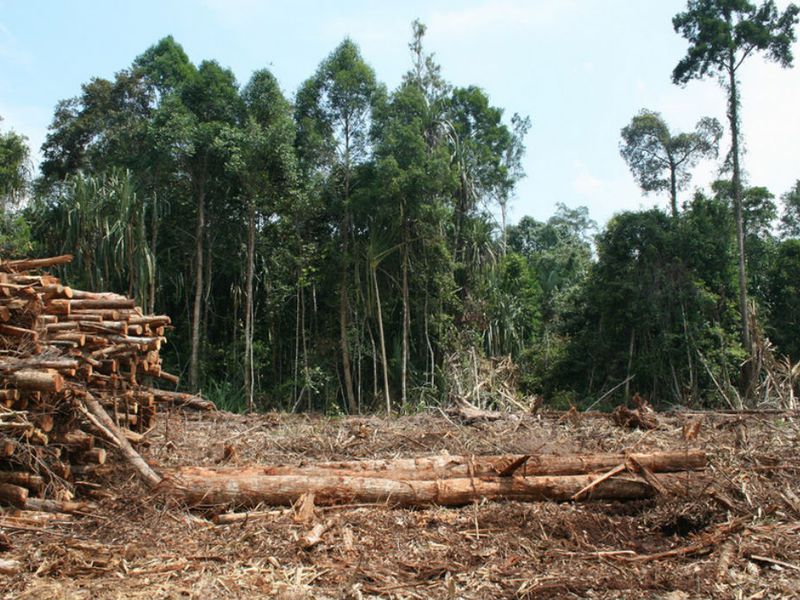
What would human alterations of the environment be considered? Ex. Cutting down the rain forests
Density-independent
Density-dependent

