
 Worksheets
ENV SCI CH 4
Total questions: 22
Worksheet time: 12mins
What is the correct definition for morphology?
The study of the form and structure of organisms
The study of how species change over time
The study of how animals go through metamorphosis
What is the correct definition for a mutualistic relationship?
A relationship where both species benefit from the interaction
A relationship where one species benefits from the interaction while the other is harmed
A relationship where one species benefits from the interaction while the other receives nothing
Based on the text, which statement do you think best describes the relationship between plants and insects with respect to pollination?
When a Venus flytrap eats an insect, they receive nitrogen as a nutrient.
When an aphid eats the plant sap of a leaf, they produce a sweet substance that attract black ants.
When bees collect nectar from flowers of an apple tree, they also help the reproduction process when they travel from one flower to another.
In the example of coevolution provided by the Acacia species and the ant, which best describes the evolution of the plant?
The Acacia plant has thorns.
The Acacia plant has pores at the base of their leaves where nectar is secreted.
The Acacia plant is tasty to many herbivores.
In the example of coevolution provided by the Acacia species and the ant, which best describes the evolution of the ant?
The ant drinks the nectar
The ant makes a nest in the hollow thorns of the Acacia.
The ant attacks herbivores that try to eat the Acacia.
What are lodgepoles?
A type of pine tree that has seeds in it.
A type of predators of red squirrels.
A type of bird found in the Rocky Mountains.
Which two animals compete for the same food source in this case study of coevolution?
Red squirrels and crossbilled birds
Red squirrels and black squirrels
Crossbilled birds and Red billed birds
The process of two species evolving in response to long-term interactions with each other is called
natural selection
coevolution
artificial selection
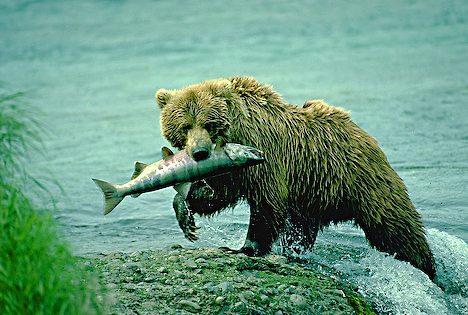
A grizzly bear survives because he is well-adapted to his environment. When he reproduces he passes on those traits to his offspring. this process is called
Natural Selection
Selective Breeding
Random mutations
Variations in a species
The theory of evolution were proposed by what scientist?
Charles Darwin
Albert Einstein
Steven Hawking
Isaac Newton
The theory of evolution by natural selection means that what is changing over time?
The inherited traits of a population.
survival skills
Hair color and eye color
Attractive features.

