
 Worksheets
basic cuisine 1 stocks, thickening, meats
Total questions: 151
Worksheet time: 5hrs 2mins
Its chief ingredients are veal, chicken and fish broth, thickened with blonde roux.
Espagnole
Hollandaise
Veloute
Tomato
It is also known as a white sauce?
Bechamel
Espagnole
Hollandaise
Veloute
It is the equal ratio of starch and fat.
Slurry
Roux
Liaison
None of the above.
What fats produce the finest sauces because of its flavor?
Clarified Butter
Lard
Margarine
Vegetable Oil
What three things must be present to cause a sauce to thicken?
Heat, Starch, and Proteins
Heat, Starch and Liquid
Starch, Liquid and Eggs
Eggs, Starch and Proteins
A solution of a starch and a cool liquid if added to heat it must be stirred constantly, this is a
Slurry
Roux
Liaison
Coulis
Acids have an effect on the thickening of sauce, what is that effect
Lemon Juice tenderizes the sauce
Lemon juice coagulates the sauce
Lemon juice breaks down the sauce
Lemon juice can cause lumps
What sauce is made from a Fruit or Vegetable puree
Veloute
Bechamel
Coulis
Hallandaise sauce
This term is defined by a starch granulate that will absorb moisture when placed in a liquid
cream of tartar
Coagulate
Emulsify
Gelatinization
Vegetable puree used as a starch has the ability to thicken what product?
Stew
Vegetable Puree Soup
Baked Goods
Gravy
What should you avoid in preparing when adding starch in your sauce?
Gelatinization
Lumpings
Browning
None of the above.
It is a roux cooked little longer to a slightly darker color and used for veloutes.
White Roux
Blond Roux
Brown Roux
None of the above.
What is a highly flavored liquid made with bones, vegetables, herbs and spices?
Stock
Sauce
Soup
Roux
What is a small cheesecloth bag containing herbs and spices?
mire poix
bouquet garni
roux
strainer
What is a combination of two parts onion, one part carrot and one part celery?
roux
stock
mire poix
mise en place
What is a mixture of flour and fat used to thicken liquids?
Sauce
Stock
Roux
Soup
What are the five sauces that are used to produce other sauces
Father Sauce
Mother Sauce
Sister Sauce
Brother Sauce
What are the five sauces that are used to produce other sauces
Father Sauce
Mother Sauce
Sister Sauce
Brother Sauce
What is the classic name for white sauce?
Mother Sauce
Tomato Sauce
Veloute Sauce
Bechamel Sauce
What is a sauce made from a mother sauce called?
Derivative Sauce
Veloute Sauce
Bechamel Sauce
Tomato Sauce
What is it called when you concentrate the liquid and intensify the flavor by cooking?
Roux
Glaze
Incorporation
Reduction
What is a stock made from roasted bones, meat and vegetables?
White Stock
Broth
Brown Stock
Soup
What is the mother sauce called that is basically white stock thickened with a blond roux?
Veloute
Bechamel
Espagnole
Hollandaise
What are the main ingredients in a béchamel sauce?
Milk, butter & flour
White stock, butter & flour
Brown stock, roux and bouquet garni
Egg yolks, butter, lemon, hot sauce
What is the purpose of Mise en Place?
It is a waste of time because I already know what I have to do
It is my team's fault . I do my part
Everyone in me team is lazy except me
To eliminate the chances of culinary disasters that occurs to lack of preparation
A cook who specializes in making sauces.
sauce messieur
sauce master
sauce maker
saucier
Reducing a liquid ingredient in order to concentrate its flavor within the dish, while also helping with the final consistency of the finished sauce, so that it will coat and hold on the plate.
reduction
minimizing
evaporating
richening
A mixture of egg yolks and heavy cream, often used to finish some sauces. It adds a rich flavor and smoothness to a sauce without making it too thick.
slurry
roux
liason
beurre manie
A mixture of raw butter and various flavoring ingredients, such as herbs, nuts, citrus zest, shallots, ginger, and vegetables; used to finish grilled or broiled meats, fish, poultry, game, pastas, and sauces, among other uses.
seasoned butter
compound butter
butter sauce
embellished butter
A thick puréed sauce made from vegetables or fruit.
fruit sauce
vegetable sauce
coulis
pureed sauce
A sauce made from the juices of cooked meat and brown stock.
jus lie
au jus
jus
demi-glace
In medieval times (MIDDLE AGES) what were sauces used for?
To add complimentary flavors
To add texture and visual appeal
Add moisture to food
To mask the flavor of spoiled foods
Sauces were developed to cover the taste of foods that were going bad.
True
False
Maybe
Although inspired by Italian chefs, French cooks elevated sauce making to an art by the 1800's. One principle of French cuisine is that "the sauce is everything."
True
False
Maybe
Classical sauces that are the basis for most other sauces.
king sauces
hierarchy sauces
mother sauces
master sauces
An emulsifier
holds the mixture together
thickens the sauce
puree's the sauce
Adds color to the sauce
A derivative sauce from Hollandaise is
bearnaise
white sauce
Choron
Supreme
Brown sauces are usually made from
Hollandaise
White Sauce
Stock-based Sauce
Tomato-Based Sauce
A small sauce created from a tomato-based sauce is
Barbecue
Sweet and sour
Orange
Bechamel
Liason refers to:
Adding melted butter to a nearly completed sauce
Adding solid butter to a nearly completed sauce
Thickening a sauce using egg yolks and cream
Swirling a liquid around the skillet to remove any cooked bits of food
Straining the sauce through the cheesecloth

Define a consomme
Clear soup
Cream soup
Meat soup

Specialty soup that may be cooked or uncooked, and then chilled
chowder
bisque
cold soup
cream soup

Soup made from shellfish
chowder
bisque
cold soup
cream soup

Thick soup thickened with an added starch, such as roux
chowder
bisque
cold soup
cream soup
What is the dry heat cooking method?
Food is cooked uncovered without adding any liquid or fat or cooked in dry heat in an oven
Food is cooked using a hot liquid, steam, or a combination of both.
Food cooked in fat

What is FRYING?
To quickly cook food directly under a heat source.
Cooking food by hot air in an oven
When food is cooked in fat

What is BAKING?
Cooking food by hot air in an oven.
Food cooked quickly above a heat source in a skillet or on a metal grate.
Foods cooked by vapors from boiling water.
Cooking food quickly in a hot pan with little fat.

What is BOILING?
To quickly cook food directly under a heat source.
Food cooked in fat
To cook food in water that has reached its highest possible temperature of 212°F.
Using radiation and waves of energy that move water and fat molecules in order to cook foods.

What is BRAISING?
Food that is cooked slowly in a closed pot with a small amount of liquid.
Cooking food by hot air in an oven.
Food is fried in a small amount of oil at a high temperature, then covered for the last few minutes to steam the food.
Foods cooked by vapors from boiling water.

What is GRILLING?
Food cooked quickly above a heat source in a skillet or on a metal grate over a fire.
Cooking food by hot air in an oven.
To quickly cook food directly under a heat source.
Foods cooked by vapors from boiling water.

What is MICROWAVING?
To cook food in water that has reached its highest possible temperature of 212°F.
Food cooked in fat
Using radiation and waves of energy that move water and fat molecules in order to cook foods.
Food is cooked in a skillet in a small amount of oil or fat

What is SAUTEING?
Food cooked in an ungreased skillet
Cooking food by hot air in an oven.
Food is completely covered in oil or fat to be cooked
Cooking food quickly in a hot pan with little fat.

What is SIMMERING?
Foods cooked by vapors from boiling water.
Food cooked quickly above a heat source in a skillet or on a metal grate.
Food cooked in water that is 180 degrees (just below boiling point) and the bubbles form around the edge of the pan. Food is cooked slowly and gently.
To cook food in water that has reached its highest possible temperature of 212°F.

What is STEAMING?
Foods cooked by vapors from boiling water.
Food is fried in a small amount of oil at a high temperature, then covered for the last few minutes to steam the food.
Food cooked in an ungreased skillet
Cooking food by hot air in an oven.

What is ROASTING?
Food that cooked by hot air, uncovered, usually in an oven. Similar to baking, but used to cook meats and vegetables.
To cook food in water that has reached its highest possible temperature of 212°F.
Food cooked quickly above a heat source in a skillet or on a metal grate.
Food cooked in fat

What is PAN-FRYING?
Foods cooked by vapors from boiling water.
To quickly cook food directly under a heat source.
Cooking food quickly in a hot pan with little fat.
Food is cooked in a skillet in a small amount of oil or fat, the food is not completely submerged in oil or fat.
Water does what whenever it is cooked?
is destroyed
toughens
evaporates
caramelizes
Soaking an item in wet and dry ingredients to provide more flavor is called...
barding
marinading
Stewing is considered what type of cooking method?
dry heat method
moist heat method
combination method
This term helps to enhance the natural flavors of food.
glaze
season
blanch
parcook
_________________uses liquid instead of oil to create the heat energy that is needed to cook the food.
moist cooking technique
Air cooking
Fast cooking
Boiling is when the molecules in the water are moving _______.
slowly
Rapidly
__________uses both moist and dry cooking techniques.
Toaster oven cooking
Combination cooking
Complete cooking

Eggs cooking in a frying pan. The type of heat transfer is ___
Conduction
Convection
Radiation
Roasting marshmallows over a fire. The type of heat transfer is ___
Conduction
Convection
Radiation
Cooking in liquid just below the boiling point
simmering
boiling
sauteing
poaching
A highly flavored stock made from fish bones is called
remouillage
fumet
glace
court bouillon

What is the technique used to make Hollandaise sauce
sauteing
poaching
blending
emulsification
What is the purpose of butter clarification?
to remove the milk solids that can burn and excess water
to remove the fat part of butter
it is the same as butter
to increase butter flavor
What could be one of the applications of Hollandaise sauce
Used to make eggs benedict, and Bearnaise sauce, as a sauce for salmon, sauce for asparagus etc
to make bechamel sauce
hollandaise sauce is already a derivative sauce
All of the above
What is the most popular breakfast food?
Bagel
Pancakes
Oatmeal
Bacon
Three important wild plants for first farmers are Page 49
corn, rye and barley
rye, barley and wheat
barley, corn and wheat
rice, corn and wheat


Pork


Lamb
Beef
Venison

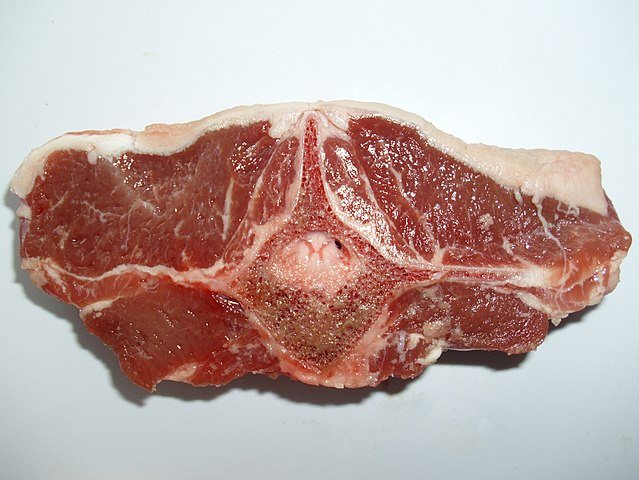
Chop
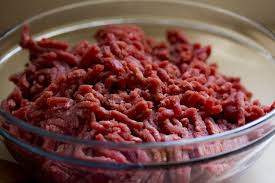
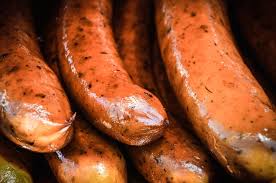
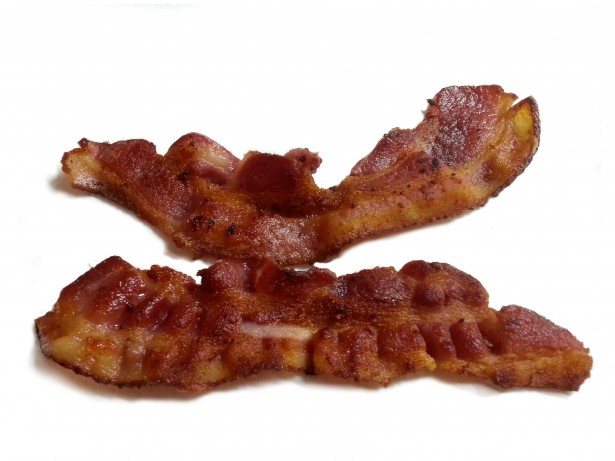
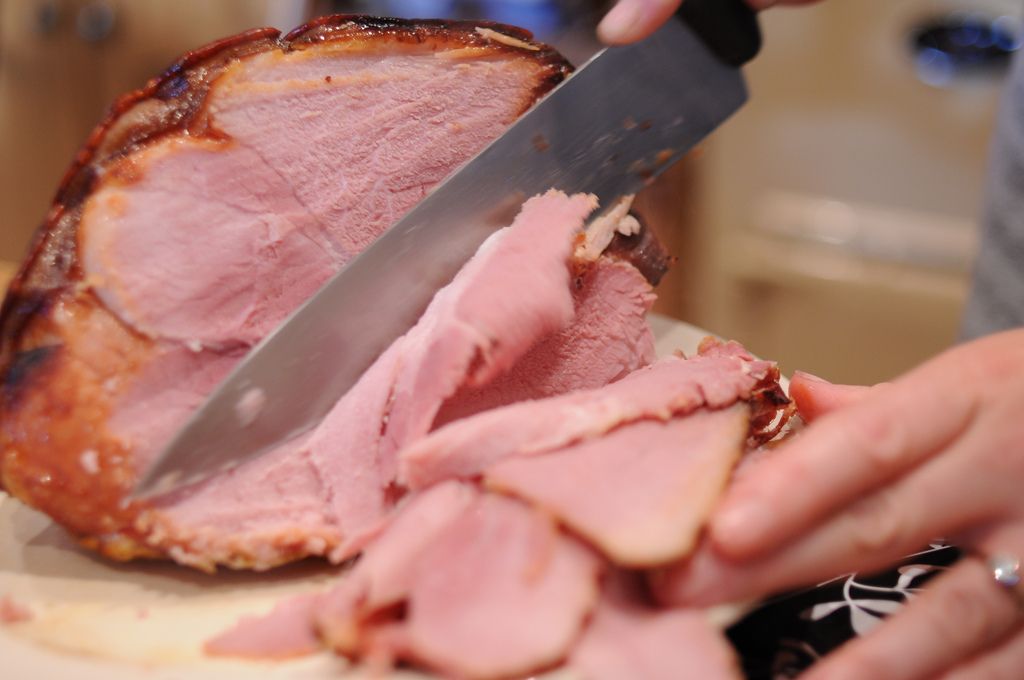
Mincemeat
Fillet
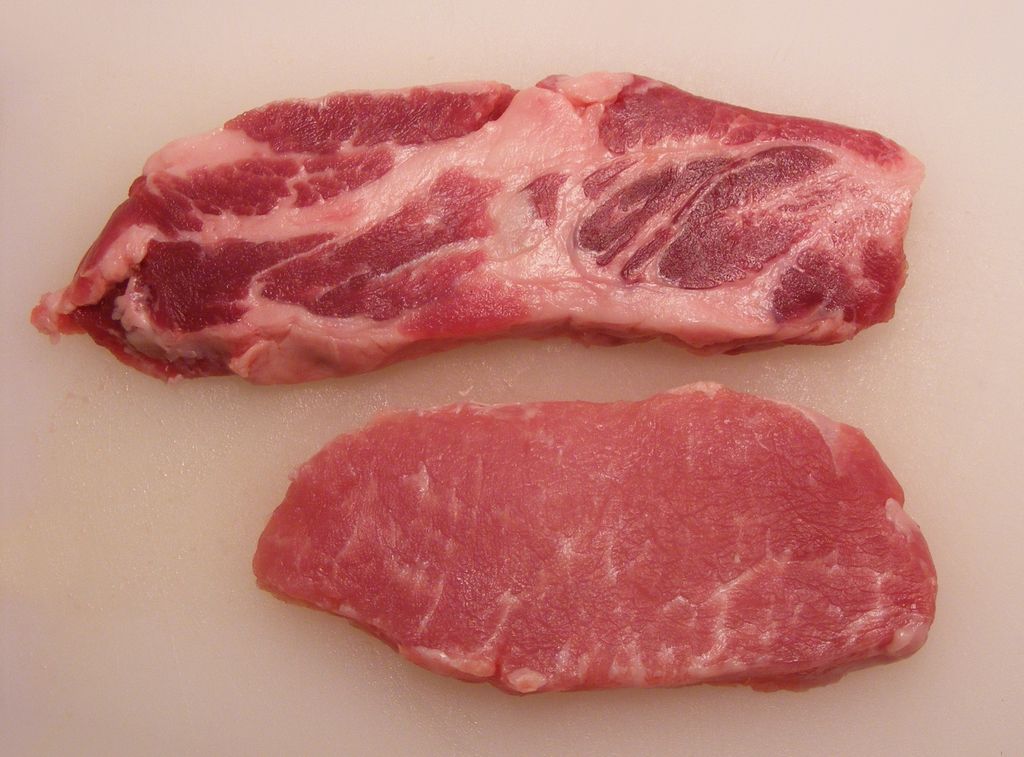
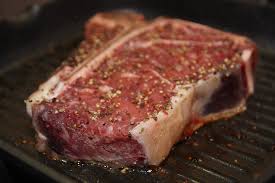
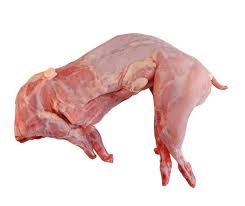
Rabbit
Liver


Tongue
Kidney
Grading refers to the meat's
quality
appearance
size
smell
The quality of meat is based on its overall
smell
texture
look
flavor
harvesting is also known as
picking
feeding
slaughtering
Primal cuts of meat are what size
extra large
large
medium
small
offal meat is _____ meat
bad
organ
discarded
good
______ meat is meat slaughtered to comply with Jewish dietary laws.
Jewish
Edible
Kosher
Game
Game meat is meat that comes from animals _____ typically raised domestically
not
always
Select all the following that are things to think about when purchasing meat.
cost
freshness
feel
fat content
equipment

This is a ________ knife.
Tourne
Granton/Santoku
Chef's
Cleaver

The tool chefs use to sharpen a knife is called:
wet stone
steel
grinder
sharpener
wet stone and steel
In a mirepoix, what is the ratio of onions to carrots and celery?
2:1:1
4:1:1
2:2:1
1:1:1
Which is NOT an appropriate way to chill stock for storage?
in a chill blaster
in an ice bath (stirring often)
separated into shallow containers
in a large pot in the fridge
We do not boil stock because...
boiling agitates the ingredients, causing cloudiness
it would cook too fast
the fat will sink to the bottom
the liquid will boil out
to remove impurities that make the stock look less appetizing
degrease
skim
wash
trim
a cook who specializes in sauces
sauce master
sous chef
chef
saucier
Finishing with butter refers to:
Adding melted butter to a nearly completed sauce
Adding solid butter to a nearly completed sauce
Thickening a sauce using egg yolks and cream
Swirling a liquid around the skillet to remove any cooked bits of food.
The mixture of ingredients used to clarify stock is called:
Raft
Puree
Clear meat
Chowder
Reduction
What is a bouquet garni?
Vegetables cut into cubes
Vegetables and aromatics herbs tied into a bundle
Vegetables tied into a bundle
A spice bag
What are the 5 mother sauces?
Sauce, Bechamel, Sauce Espagnole, Demi-Glace, Sauce Hollandaise
Sauce Tomat, Sauce Espagnole, Sauce Velouté, Roux, Sauce Bechamel
Sauce hollandaise, Sauce Butter, Sauce velouté, Sauce Vinaigrette
Sauce tomat, Sauce Espagnole, Sauce Velouté, Sauce bechamel, Sauce hollandaise
At which degree is starch binding?
100-120 degrees
45 - 65 degrees
200-230 degrees
65 - 85 degrees
What sauce can we use for asparagus?
Sauce velouté
Sauce espagnole
Sauce hollandaise
Sauce tomat
Which of the following soup is considered as a thick soup?
Bisques
Bouillon
Consommé
Egg Drop Soup
They are referred to in French as fonds de cuisine.
Stocks
Soups
Sauces
None of the above
what is the name of chef Barry's dog
spot
rex
king
lara
cujo