
 Worksheets
Progressive Era Review
Total questions: 70
Worksheet time: 1hrs 6mins

Journalists who exposed political, social and economic problems in the United States during the Gilded Age and Progressive Era
Mugwumps
Muckrakers
Scalawags
Yellow Journalists


Which president supported progressive ideas such as conservationism and breaking up the Trusts
William McKinley
Teddy Roosevelt
Calvin Coolidge
Herbert Hoover
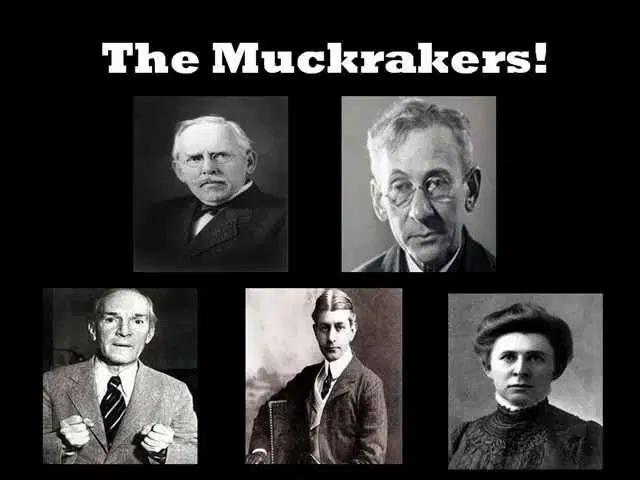
Main goal of most muckraking journalists?
Gain fame through articles of high popular interest
Expose social and economic problems in need of government intervention
Increase public awareness of America's great potential
End corrupt relationships between politicians and big business

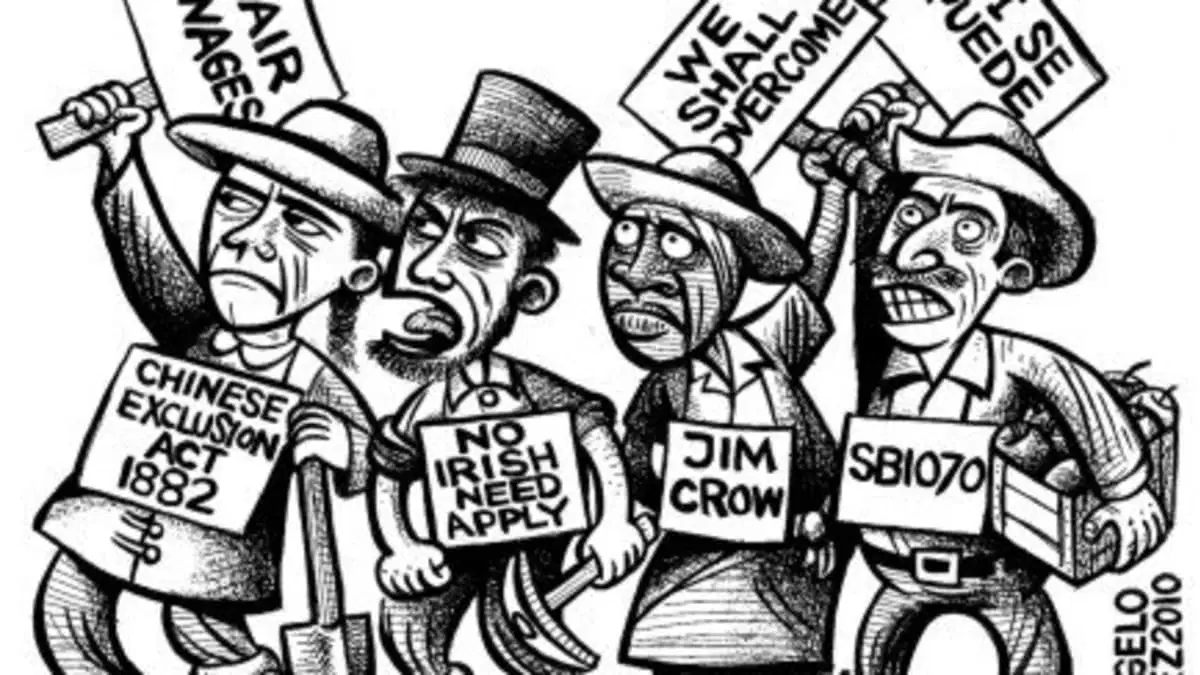
Nativists are against...
Corruption
African Americans
Railroads
Immigrants


National parks were established for the purpose of
preserving nature and the environment for future generations
preventing the pollution of critical forests and waterways
allowing government management of energy resources
producing hydroelectric power and controlling flooding in remote regions
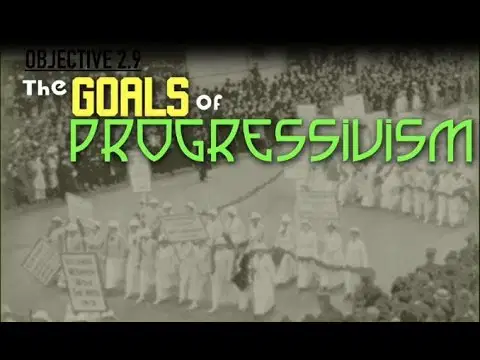
Which of the following were goals of the Progressives?
encourage environmental conservation and preservation
decrease the power of the federal government
improve working conditions in mines and factories
Breakup or regulate the monopolies and trusts
Make government more efficient and accountable

Jane Addams:
was the founder of the Settlement House Movement
was a critic of big business, especially Standard Oil Company.
supported laws to protect women and children through her WTU.
was a radical suffragette.
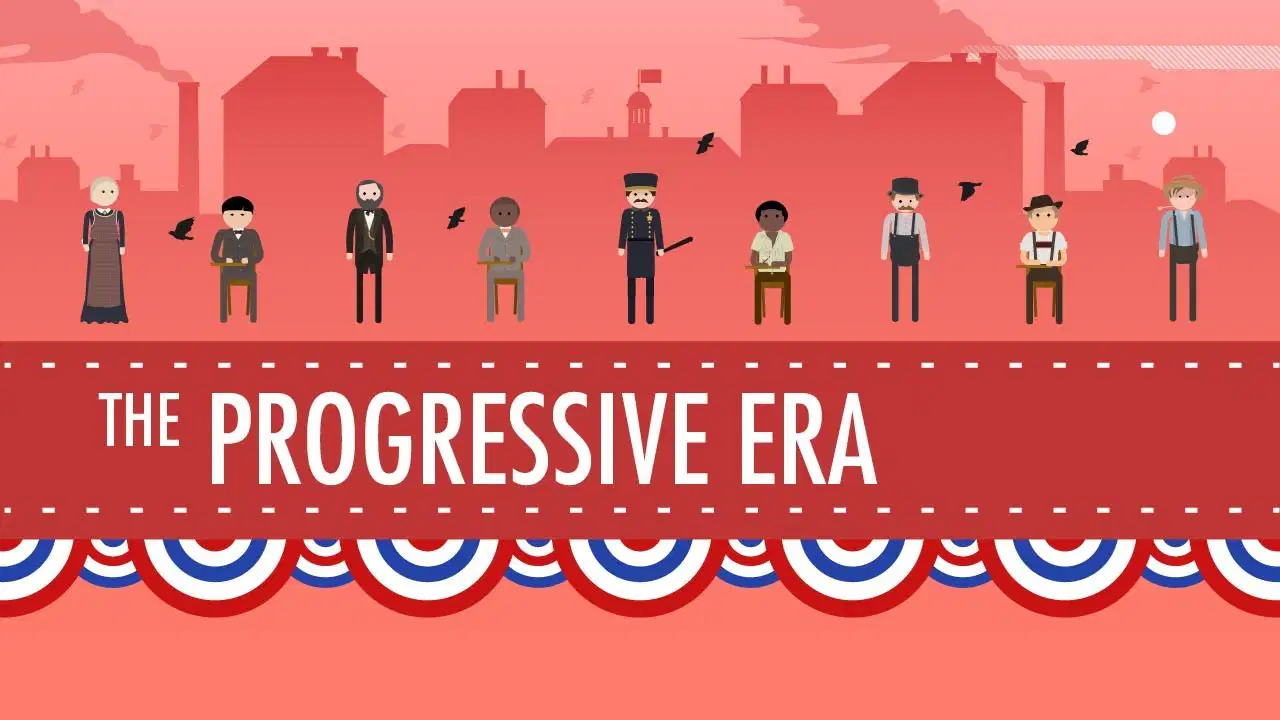
The Progressive era occurred
1877-1890
1865-1877
1900-1920
1933-1945
1. Progressivism was partly a reaction against _____ economics, which emphasized no regulations against businesses
a. Socialism
b. Laissez-faire
c. Free traded
Supply side
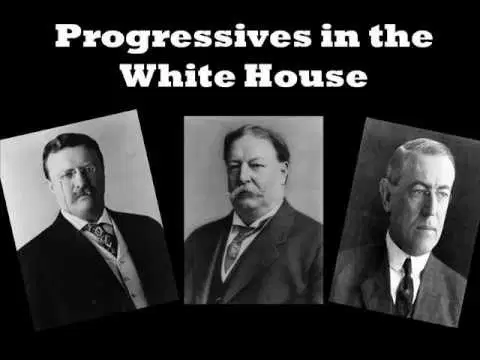
Which of the following are the three Progressive Presidents?
Taft, Hayes, T Roosevelt
Wilson, Garfield, Taft
T Roosevelt, Johnson, Morgan
T Roosevelt, Taft, Wilson

When Woodrow Wilson's ran for president he promised
A Square Deal
To lower taxes for the poor and working class
A chicken in every pot, and a car in every garage.
To knock down the Triple Wall of Privilege

The law that regulated the banking system & stabilized US currency was the
Federal Trade Commission Act
Federal Reserve Act
Federal Highway Act
Federal Farm Loan Act
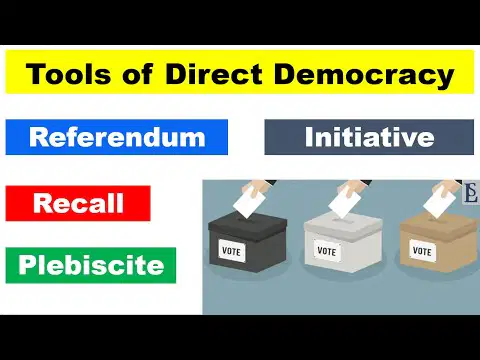
This allows citizens to vote to change an EXISTING law or regulation
referendum
initiative
recall
direct primary

A special election used to remove an elected official before his or her term is expired
referendum
initiative
recall
direct primary

The direct election of US Senators was allowed because of what amendment?
16th
17th
18th
19th
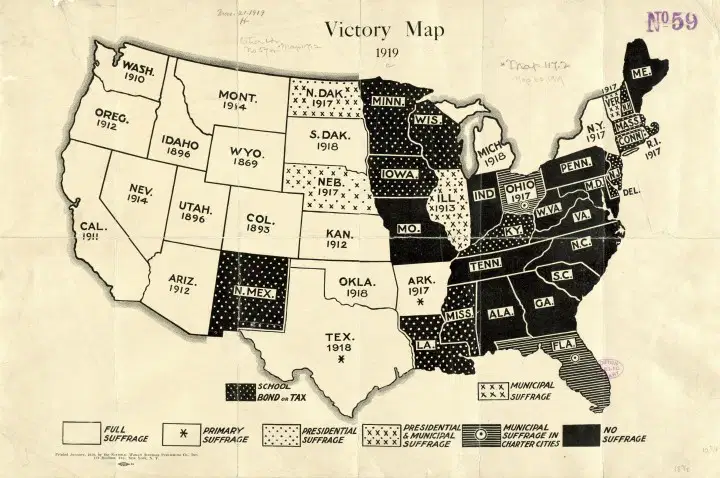
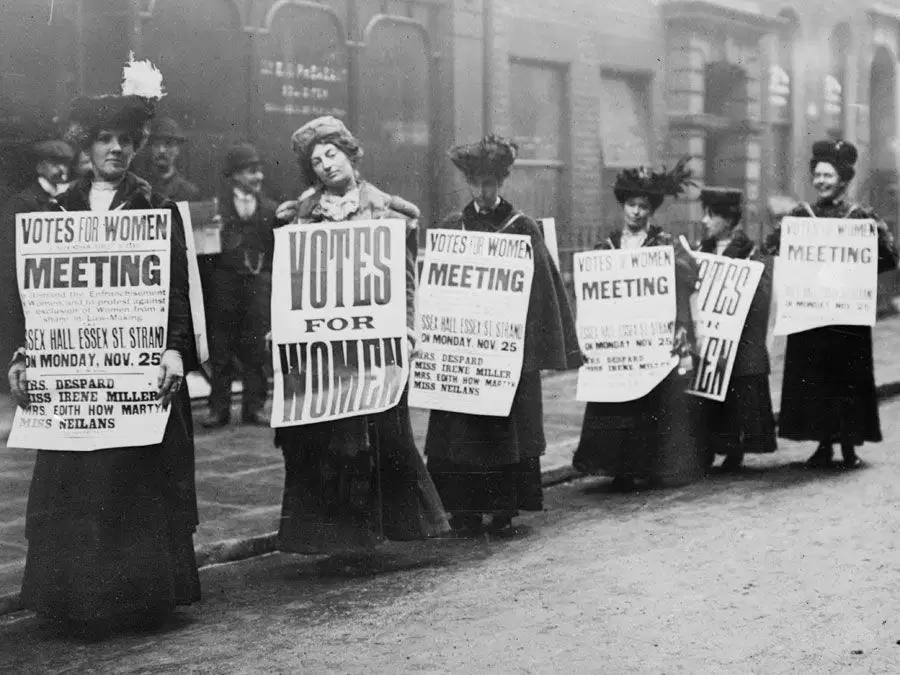
The women's suffrage movement began in 1848. When did women officially earn the right to vote?
1878
1907
1920
1931

What is suffrage?
the right to drive
the right to end suffering
the right to vote
the right to a free education
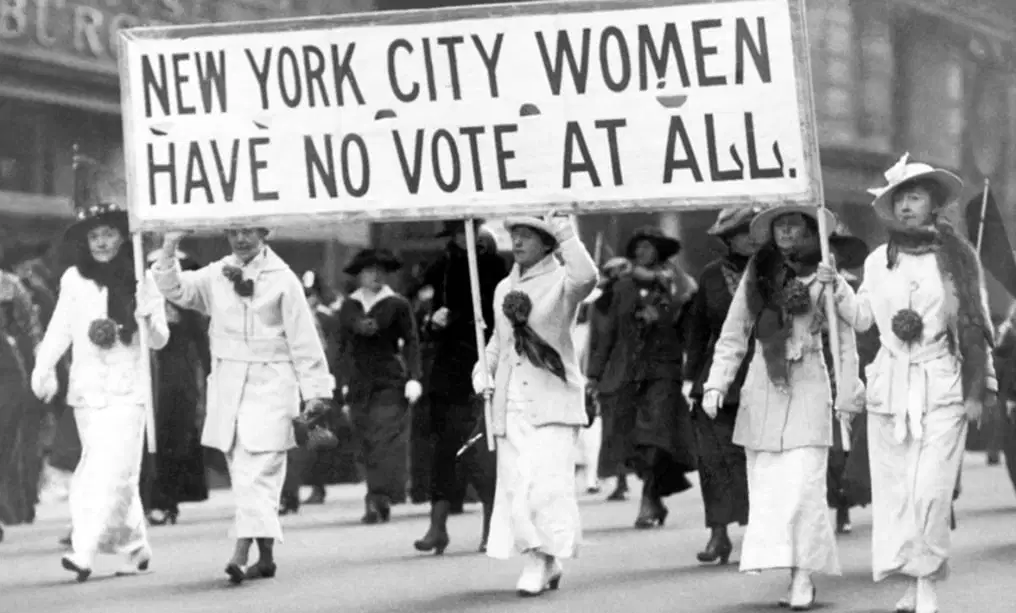
What amendment gave women the right to vote?
15
17
18
19

Which amendment banned the making, sale or transportation of alcohol?
16th
17th
18th
19th

Name for Theodore Roosevelt's policies during his presidency
New Freedom
New Nationalism
Circle plan
Square Deal

The Progressive movement's attitude toward monopoly was one of...
Allowing most monopolies to continue since the economy was booming
Encouraging the expansion of existing Trusts and Monopolies into foreign countries
Progressives advocated for the end of monopolies and trusts except for a select few
Destroy ALL trusts and monopolies wherever they existed

All of the people listed in the image helped to...
expose corruption in society
create programs for people living in poverty
achieve women's suffrage
in the development of vaccines to prevent diseases

Which amendment led to the changes to the Constitution as shown in the newspaper headline
16th
17th
18th
19th

The newspaper headline is asking people to prepare for passage of the
16th
17th
18th
19th

The _________ Amendment led to the action described in the newspaper headline
16th
17th
18th
19th
Upton Sinclaire's book "The Jungle" directly resulted in the passage of the
19th Amendment
Federal Reserve Act
Clayton Anti-Trust Act
Meat Inspection Act

The _________ Amendment led to the action described in the picture
16th
17th
18th
19th
Created in 1913, the Federal Reserve requires
banks to loan out all excess reserves
banks to keep 25% of all deposits as a reserve
all banks to print their own money
banks to keep 100% of all deposits on hand

All of the items in this list led to...
voters having more involvement in the democratic process
voters having less involvement in the democratic process
changes in the way banks were regulated
a decrease in voter participation

The movement to eliminate undesirable traits/habits from American society was called
The Suffrage Movement
The Human Improvement Movement
The Eugenics Movement
The Make America Great Again Movement

What is the main idea of this cartoon?
The Standard Oil Company was a harmful monopoly
The best way to develop major industries was to form small businesses.
Government regulations were strangling the Standard Oil Company
Foreign competition in the oil industry was hurting American companies.

Which statement best expresses the melting pot theory as it relates to American society?
Only European immigrants will be allowed into the United States.
All immigrant groups will maintain their separate cultures.
Different cultures will blend to form a uniquely American culture.
Immigrant ghettos will develop in urban areas.

The principal message of the cartoon is that the Standard Oil Company
used its size to lower the prices of its products
protected the nation from foreign competition
used its economic power to influence government decisions
employed violence to gain an unfair advantage for its workers
Match the term to its definition.
tenement
a run-down, crowded apartment often located in the center of the city
labor union
an organization of workers, often in a trade or profession, formed to protect worker's rights
monopoly
a company that controls all or nearly all the business of an industry

Conservation is-
when a country's trade and industry are controlled by private owners for profit
using vigorous campaigning to bring about political or social change
protection of natural resources
the unjust or prejudicial treatment of different categories of people

Why are monopolies bad?
They limit competition
They raise taxes
They increase jobs
They raise prices
· Initiative
· Referendum
· Recall
· Direct Primary
· 17th Amendment
How did the reforms listed above impact America?

This cartoon shows which Gilded Age problem?
Americans believed that their national government was too powerful.
Americans believed in "survival of the fittest".
Americans believed in equality of the sexes.
Americans believed that big business controlled their government.

In return for favors, jobs etc., political bosses expected the immigrants they helped to --
give them money.
vote for them.
speak well of them.
access to the best tenements.
Which changes below represent Progressive political reforms at the STATE level? Check three correct answers.
Initiative (citizens can suggest laws)
Referendum (citizens can vote on proposed laws)
Recall (citizens can kick out corrupt leaders and elect new ones)
Commission Governments (professional citizens run government)

Check off TR's beliefs about trusts.
Some trusts were good and should be regulated by the federal government.
Some trusts were bad and should be broken up by the federal government.
Some trusts were good and should be regulated by the state governments.
Some trusts were bad and should be broken up by the state governments.
26th President of the United States, served for two terms and eventually ran for a third term under the Bull Moose Party.
Franklin Roosevelt
Woodrow Wilson
Theodore Roosevelt
Grover Cleveland


Which movement is Susan B. Anthony most closely associated with?
Harlem Renaissance
Women’s Suffrage
Muckraker Movement
Temperance Movement

A movement calling for a ban on alcoholic drinks, which they saw as the chief cause of many of the social problems.
Social Gospel Movement
Woman's Suffrage Movement
Populist Movement
Temperance Movement

Direct election of United States Senators.
Sixteenth Amendment
Seventeenth Amendment
Eighteenth Amendment
Nineteenth Amendment

This work often interferes with children's opportunities to attend school.
Child support
Child labor
Child abuse
Child care

Leader in the settlement house movement. (Hull House - Chicago)
Susan B. Anthony
Alice Paul
Jane Addams
Ida Tarbell

Socially conscious journalists and writers who raised awareness for the the need to reform social, political, and economic problems in the U.S.
Consumers
Populists
Muckrakers
Labor Unions

Community center that provided services for the urban poor.
Settlement House
City Manager
City Manager
Salvation Army

The growth of cities is called ________.
Suburbanization
Industrialization
Urbanization

Designed to prevent companies from engaging in unfair practices that eliminated fair competition

Who was the corrupt NYC political boss that shaped politics in NYC and the state of New York?
William "Boss" Tweed
William "the Crusher" Tweed
William McKinley
Andrew Carnegie

What is one way the Progressive Era reform outlined in this diagram has affected U.S. politics?
More women have been elected to Congress.
Citizens have a more direct influence on lawmaking.
Corrupt officials can be removed from office.
Primary elections are prohibited in several states.

Match the following on our lesson about the Progressive Era:
Muckrakers
journalists who exposed corruption and social problems in early 1900s America.
Ida B. Wells
African American journalist who documented lynching and fought for racial justice
WEB Dubois
Black intellectual, scholar, and activist who co-founded the NAACP and advocated for equal rights.
Booker T. Washington
Black educator and leader who advocated for self-help, economic improvement, and accommodation
Ida Tarbell
Muckraking journalist who exposed Standard Oil's abuses of power and monopolistic practices

Match the following terms from our lesson on the Progressive Era:
Jacob Riis
journalist and photographer who documented poverty and slum conditions in How the Other Half Lives
Upton Sinclair
exposed the horrors of the meatpacking industry in The Jungle
Temperance Movement
Social reform movement advocating for the prohibition of alcohol
Suffrage Movement
Women's rights movement advocating for the right to vote and equal political rights
Jane Addams
social reformer who co-founded Hull House and advocated for social justice and peace

Match the following on our lesson on the Progressive Era:
16th Amendment
allows Congress to impose an income tax
17th Amendment
the direct election of U.S. Senators
18th Amendment
prohibited the manufacture, sale, and transportation of alcohol
19th Amendment
granted women the right to vote
Initiative, Referendum, Recall
Reforms allowing citizens to propose and vote on laws, and recall elected officials.

The Americanization of immigrants

During the early 1900s, the term "muckrakers" was used to describe-
Pacifists who demonstrated against war
Politicians who criticized Progressive Era presidents
Writers who exposed the problems in American society
Newspaper columnists who reported on celebrities and athletes

Process which made steel more affordable and profitable.
Laissez-faire
Interstate Commerce
Bessemer
National Market

What innovation helped people settle the Great Plains and opened new markets in the west?
World Wide Web
Transcontinental Railroad
The internal combustion engine
Industrialization
NAACP
National Association for the Advancement of Colored People, founded in 1909 to promote civil rights
Square Deal
Theodore Roosevelt's progressive agenda promoting fairness, conservation, and regulation of corp.
Conservation
protect natural resources, establish national parks and forests, and regulate land use.
Consumer Protection
under this pillar Teddy passed the Meat Inspection Act & Pure food and Drug Act
Control of Corporations
Trustbusting; enforced the Sherman Anti-Trust Act to weed out "bad" Trusts
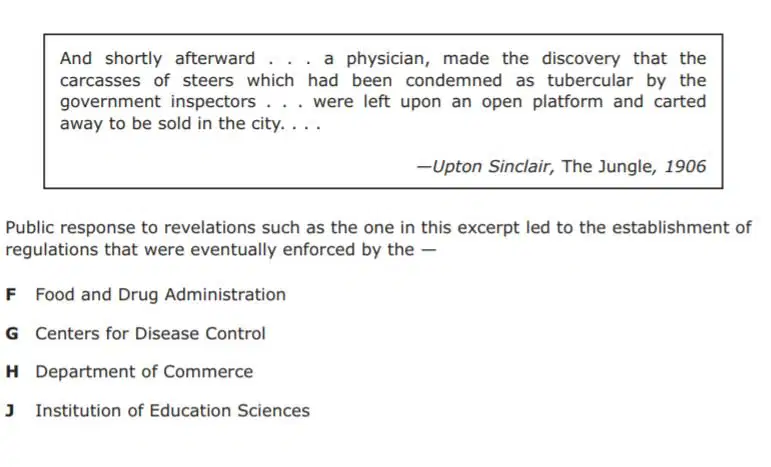
Answer the question in the image
F
G
H
J
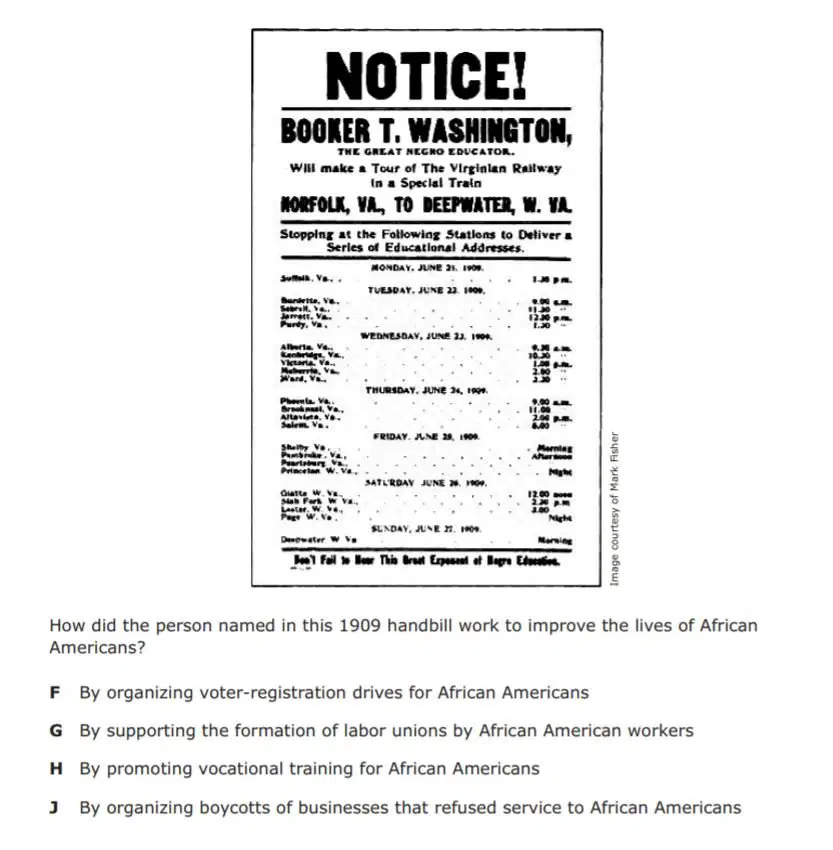
Answer the question in the image
F
G
H
J

