Worksheets
Asexual Reproduction
Total questions: 25
Worksheet time: 26mins

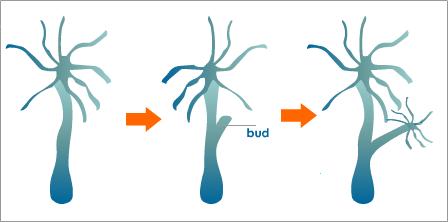
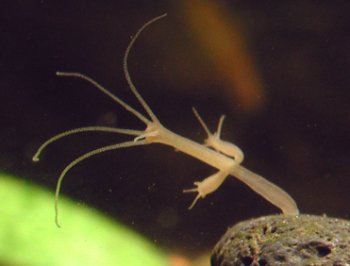
Hydra produce offspring by growing the new individual on the body of the parent. This is an example of...
budding.
fission.
regeneration.
tubers.

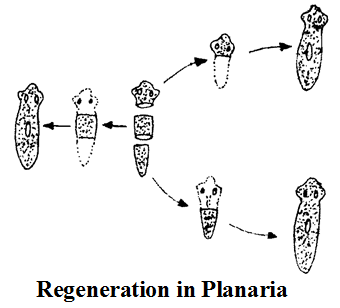
When a sea star breaks into fragments, each fragment develops into a new individual. This is an example of...
fragmentation.
parthenogenesis.
binary fission.
vegetative propagation.
One parent producing offspring without meiosis and fertilization that creates offspring identical to the parent is called...
asexual reproduction.
sexual reproduction.

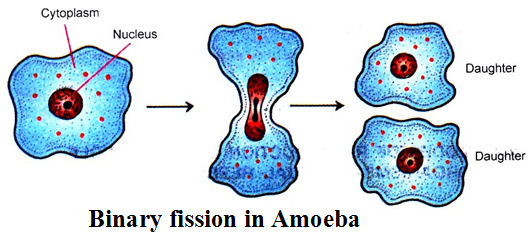
Amoeba use mitosis and produce two offspring that are identical to the parent. This is an example of...
budding.
binary fission.
regeneration.
parthenogenesis.
Where does an offspring get its DNA in asexual reproduction?
from both parents
from only one parent
from neither parent
Sexual reproduction requires ______ parent(s) and asexual reproduction requires ______ parent(s).
one, one
two, two
two, one
one, two

Strawberry plants produce offspring by sending out specialized stems. This is an example of...
runners.
tubers.
fragmentation.
budding.

Some species such as the Whiptail Lizard are able to reproduce with only females that produce diploid eggs that develop into new individuals without male sperm. This is an example of...
budding.
binary fission.
plantlets.
parthenogenesis.
Which of the following are advantages of asexual reproduction? Select all that apply.
Overcrowding possible
Inability to adapt to new environments
Quicker process
Produces more offspring
Which type of reproduction produces an identical copy of the parent?
Sexual reproduction
Asexual reproduction
What is the purpose of MITOSIS?
to create sex cells
to kill off body cells
to repair or replace body cells
Which is NOT a form of asexual reproduction?
binary fission
meiosis
budding
parthenogenesis
Which statement reflects a way in which asexual reproduction is beneficial? Select all that apply.
It results in genetic variation.
It requires a lot of time and energy.
Organisms can reproduce without a mate.
It is a much quicker process.