Wayground logo

Free Printable Worksheets

Font size

S
M
L
XL
Worksheets

Gun Powder Empires Ottoman, Safavid &Mughal's

Total questions: 44

Worksheet time: 30mins
Name
Class
Date
1.
Muslim empires were characterized by all of the following EXCEPT:
a)
New military technology
b)
Strong armies
c)
Cultural diffusion
d)
Democratic governments
2.
Which of the following empires did the Ottoman Empire follow?
a)
Roman Empire
b)
Anglo-Saxon Empire
c)
Greek Empire
d)
Byzantine Empire
3.
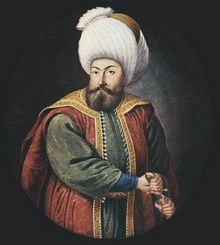
Which of the following Islamic warriors gave his name to the Ottoman Empire?
a)
Mehmed the Conqueror
b)
Othman
c)
Suleyman the Magnificent
d)
Abbas the Great
4.
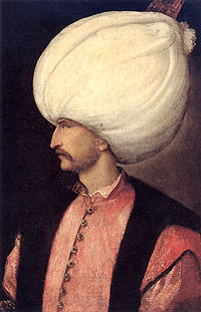
Why was Suleyman the Magnificent so magnificent?
a)
He created a new law code.
b)
He reduced taxes.
c)
He gave religious freedom.
d)
All of the other answers are correct.
5.
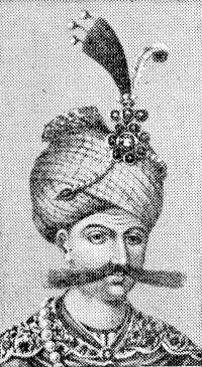
All of the following are reasons the Safavid Empire ruler Abbas the Great was so great EXCEPT:
a)
He limited the power of the military.
b)
He reformed the government by punishing corruption.
c)
He expanded trade with Europe.
d)
He built the capital city of Constantinople.
6.
Which Mughal emperor had power taken from him by his more powerful elders?
a)
Babur
b)
Akbar
c)
Abbas
d)
Suleyman
7.
Which Mughal Emperor took the throne at age 13 and supported aggressive military power?
a)
Babur
b)
Akbar
c)
Abbas
d)
Suleyman
8.
All of the following flourished under Akbar EXCEPT:
a)
art
b)
literature
c)
architecture
d)
gourmet cuisine
9.

The Ottoman and Safavids were the first to use this military invention throughout their empire:

a)

Ships

b)

Telescopes

c)

Gunpowder

d)

Bows and arrows

10.

The Ottomans controlled trade because:

a)

They owned major port and land trade routes

b)

They were technologically advanced

c)

They conquered anyone who opposed them

d)

Suleiman The Magnificent was loved by many people

11.

The Janizaries were an elite military unit composed of:

a)

Top Muslim officers in the Ottoman empire

b)

captured and converted Christians

c)

Former Roman and Mongol soldiers

d)

Former Crusaders from the Byzantine empire

12.

By the 1700s, the Shiite Safavids in old Persia lost their empire to Sunni Muslim rebels. Persia became a new country known today as:

a)

Turkey

b)

India

c)

Iran

d)

China

13.
____ were an elite guard of Ottoman soldiers. 
a)
janissaries 
b)
ulema
c)
pashas 
d)
sinans 
14.
Mehmed II changed the name of this great Byzantine city to Istanbul  
a)
Medina 
b)
Jerusalem 
c)
Constantinople 
d)
Deli 
15.
If you lived in the Safavid Empire you probably would be categorized as a ___ Muslim
a)
Sunni
b)
practicing 
c)
Shia 
d)
good 
16.
The word used to describe the Safavid king.
a)
sultan
b)
shah 
c)
king 
d)
czar 
17.
What was the title given to the ruler of the Ottoman Empire?
a)
Janissary
b)
Rajput
c)
Sultan
d)
Mansabdar
18.
What religion did the Ottoman Empire help spread throughout their empire?
a)
Islam
b)
Christianity
c)
Shintoism
d)
Buddhism
19.
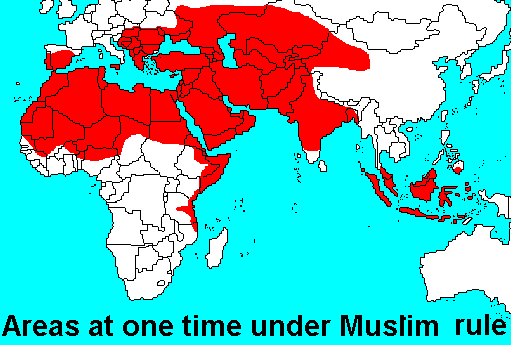
According to the map, the Ottoman Empire surrounded
a)
the Black Sea, the Persian Gulf, and the North Sea
b)
the Mediterranean Sea, the Persian Gulf, and the Baltic Sea.
c)
the North Atlantic Ocean, the North Sea, and the Baltic Sea.
d)
B) the Black Sea, the Mediterranean Sea, and the Red Sea.
20.
Which Gunpowder was in India?
a)
Ottomans
b)
Safavids
c)
Mughals
d)
Ghazavid Turks
21.
Which Gunpowder was in Persia?
a)
Ottomans
b)
Safavids
c)
Mughals
d)
Ghazavid Turks
22.
Which Gunpowder was in Turkey, parts of Europe and many areas in the Middle East?
a)
Ottomans
b)
Safavids
c)
Mughals
d)
Ghazavid Turks
23.
Which religion was created by Akbar and was a syncretic blend of Hinduism and Islam?
a)
Divine Faith
b)
12 Shiism
c)
Sikhism
d)
Manicheaism
24.

This Empire was responsible for creating the Taj mahal?

a)

Ottoman

b)

Safavid

c)

Muhgal

25.
The Japanese leader who expelled Christian missionaries from Japan
a)
Tokugawa
b)
Nobunaga
c)
Hideyoshi
d)
Kangxi
26.
China extended its rule into Central Asia and ___ during the Qing dynasty
a)
Japan
b)
Mongolia
c)
Russia
d)
Korea
27.
The name for dozens to hundreds of related Chinese families
a)
Clan
b)
Shogunate
c)
Daimyo
d)
Club
28.
Head of a Japanese family who controlled the land
a)
Daimyo
b)
Shogun
c)
Samurai
d)
Clan Leader
29.
The lowest class in Japanese and Chinese society
a)
Farmers
b)
Merchants
c)
Artisans
d)
Warriors
30.
The hostage system was used by which leader?
a)
Tokugawa
b)
Babur
c)
Kangxi
d)
Matsuo Basho
31.

What type of achievements did the Ottomans have?

a)

Calligraphy

b)

Jewelry

c)

Manuscript painting

d)

Pottery

e)

Rugs

32.

Where is the Mughal Empire located?

a)

China

b)

Africa

c)

India

d)

South America

33.
Daimyos ensured there would be no violence in their territory by...
a)
hiring samurai to protect it
b)
passing laws to prevent wars
c)
Asking the emperor to send armies
d)
using diplomacy
34.
Samurai followed a code of honor known as...
a)
seppuku
b)
bushido
c)
mandate of heaven
d)
chivalry
35.
What was 80-90% of Japan's population during the feudal era?
a)
The emperor
b)
you
c)
peasants
d)
farmers
36.
What describes the role of the daimyo in feudal Japan?
a)
they were poor farmers
b)
they were rich landowners
c)
they were powerful generals
d)
they were professional soldiers
37.
Why were merchants on the bottom of the Japanese social hierarchy?
a)
they were considered to be untouchable
b)
they did not produce anything on their own
c)
they only worked with the Samurai
d)
they were the servants of the Emperor
38.
Which is the term that describes the military government of Japan?
a)
Samurai
b)
Shogunate
c)
Kimikaze
d)
Vassal
39.
What does the term "Bushido" mean?
a)
Way of the Emporer
b)
Way of the Peasant
c)
Way of the Mongolians
d)
Way of the Warrior
40.
The Japanese emperor was considered a god
a)
True
b)
False
41.

Which group first introduced the "Chinese influence" to Japan?

a)

the Japanese

b)

the Chinese

c)

the Koreans

d)

the Mongols

42.

A ‘dynasty’ is a period of time in which one leader rules the empire.

a)

True

b)

False

43.

Successors to the throne were selected by merit in the Qing Dynasty.

a)

True

b)

False

44.

The most influential philosopher of the Qing period in China was Confucius.

a)

True

b)

False