
 Worksheets
Section 1 Review
Total questions: 23
Worksheet time: 18mins
Name
Class
Date
1.
All of the following are examples of tissue except...
a)
organ
b)
muscle
c)
connective
d)
epithelial
2.
Which body system gets oxygen from the environment and removes carbon dioxide and other wastes from the body?
a)
Circulatory
b)
Respiratory
c)
Digestive
d)
Skeletal
3.
This muscle contracts and moves down to allow the lungs to expand during respiration.
a)
trachea
b)
bronchial tubes
c)
diaphragm
d)
epiglottis
4.
The smallest unit that is a building block for all life.
a)
tissue
b)
organelle
c)
cell
d)
molecule
5.
Which system transports materials from the digestive system and respiratory system to the cells?
a)
circulatory
b)
respiratory
c)
digestive
d)
skeletal
6.
Urine is one way that our body gets rid of ___________.
a)
pee
b)
liquids
c)
waste
d)
carbon dioxide
7.

What does the digestive system do?
a)
Breaks down and handles food
b)
Pumps blood throughout the body
c)
Helps you breathe
d)
Helps your arms and legs move
8.

Where does digestion begin?
a)
mouth
b)
esophagus
c)
stomach
d)
intestines
9.

Your body couldn’t breathe without this system. Which one is it?
a)
circulatory
b)
skeletal
c)
respiratory
d)
urinary
10.

When you breathe in air, you inhale oxygen into your lungs and exhale ____.
a)
carbon dioxide
b)
oxygen
c)
nitrogen
d)
carbon monoxide
11.

The two major organs of the respiratory system where the gas exchange takes place are called ______.
a)
stomachs
b)
brains
c)
lungs
d)
nerves
12.

The movement of blood through the heart and body is called ______.
a)
circulation
b)
ventriculation
c)
locomotion
d)
pumping heart
13.

With circulation, the heart provides your body with which of the following? Choose the best answer.
a)
oxygen
b)
nutrients
c)
a way to get rid of waste
d)
all of the above
14.

What system protects the body from disease?
a)
Lymphatic System
b)
Endocrine System
c)
Immune System
d)
Urinary System
15.
What is responsible for delivering oxygen and removing carbon dioxide from the body?
a)
cell nucleus
b)
excretory system
c)
nervous tissue
d)
respiratory system
16.
What is the largest organ in the human body?
a)
Skin
b)
Hair
c)
Nails
d)
All of the Above
17.
The main function(s) of the skin is to:___________
a)
hold in water
b)
protect from infection
c)
provide the sense of touch
d)
All of the above
18.
What is the main function of the excretory system?
a)
to collect and remove wastes from the body
b)
to strengthen skeletal muscles
c)
to protect the nervous system
d)
to bring oxygen to body cells
19.
What function do the kidneys perform?
a)
eliminate carbon dioxide
b)
supply oxygen to body cells
c)
remove urea and excess water
d)
play a role in gas exchange
20.

Which is responsible for providing oxygen to cells?
a)
respiratory system
b)
circulatory system
c)
muscular system
d)
nervous system
21.

In which system of the human body does the heart belong?
a)
Nervous
b)
Skeletal
c)
Circulatory
d)
Digestive
22.
Which system permits blood to circulate and transports nutrients around the body?
a)
Nervous
b)
Respiratory
c)
Circulatory
d)
Digestive
23.
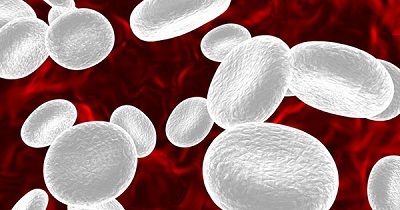
The cells in the blood that help fight germs and illnesses are the...
a)
red blood cells
b)
platelets
c)
white blood cells
d)
axons
100 %

