wayground logo

Free Printable Worksheets

NEW

Font size

S
M
L
XL
Worksheets

Physical Features of Earth

Total questions: 57

Worksheet time: 49mins

Name
Class
Date
1.

A large body of water surrounded by land.

a)

Ocean

b)

Lake

c)

River

d)

Plain

2.

A large, elevated area of land (sometimes flat)

a)

Plateau

b)

River

c)

Island

d)

Peninsula

3.

A piece of land totally surrounded by water.

a)

Island

b)

Peninsula

c)

Plain

d)

Cape

4.

A natural elevation of the earth that is higher than a hill

a)

hill

b)

mountain

c)

Plain

d)

Peninsula

5.

A piece of land surrounded by water on three sides.

a)

Island

b)

Plateau

c)

Plain

d)

Peninsula

6.

A large flat land area with very few trees.

a)

Plains

b)

Peninsula

c)

Mesa

d)

Plateau

7.

A raised area of land; not as large or high as mountain.

a)

Mountain

b)

Hill

c)

Peninsula

d)

Plateau

8.
What is this a picture of?
a)
lake
b)
desert
c)
hill
d)
mountain
9.

Long, narrow body of water

a)

Ocean

b)

River

c)

Island

d)

Peninsula

10.

Earth with opening that spills lava, rock, and gases.

a)

Volcano

b)

Mountain

c)

Lake

d)

valley

11.

Lowland between hills or mountains

a)

Ocean

b)

Valley

c)

River

d)

Gulf

12.

A chain of islands clustered together in a sea or ocean

a)

Volcano

b)

Archipelago

c)

Island

d)

Valley

13.

The largest landmasses (there are seven)

a)

Convience

b)

Consequences

c)

Continents

d)

Constantinople

14.

A large area of a sea or ocean partially enclosed by land.

a)

Mountain or hill

b)

Cape or peninsula

c)

Plateau or mesa

d)

Gulf or bay

15.

Which number represents the region of North America?

a)

8

b)

9

c)

10

d)

11

e)

12

16.

Which number represents the region of West Africa?

a)

5

b)

6

c)

7

d)

8

e)

9

17.

Which number represents the region of Central Africa?

a)

7

b)

8

c)

9

d)

10

e)

11

18.

Which number represents the region of South Asia?

a)

5

b)

4

c)

3

d)

2

e)

1

19.
What's a type of Physical Feature?
a)
Mountains
b)
Volcanoes
c)
Streams
d)
All of these
20.

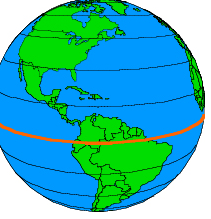
What is the imaginary line that divides the Earth into northern and southern halves?

a)

pole

b)

region

c)

equator

21.

What’s a continent?

a)

A group of countries

b)

A large landmass on earth’s surface

c)

A country

d)

A place

22.
What city is located at 40 degrees North latitude and about 105 degrees West longitude?
a)
Colorado Springs
b)
Boulder
c)
Denver
d)
Durango
23.

Location D is located at which coordinates?

a)

30oN, 90oW

b)

90oN, 30oW

c)

10oN, 40oW

d)

30oN, 90oE

24.

Location H is located at which coordinates?

a)

60oN, 120oE

b)

90oN, 30oE

c)

10oS, 40oW

d)

30oN, 90oE

25.

Location E is located at which coordinates?

a)

30oS, 30oE

b)

30oS, 30oW

c)

10oS, 40oW

d)

30oN, 90oE

26.
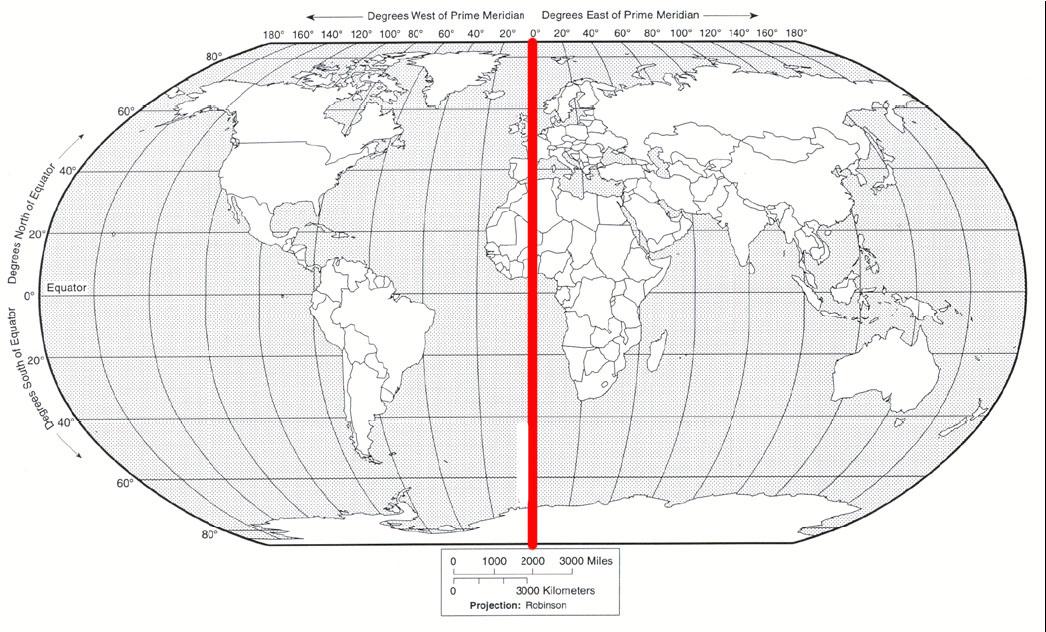
What is the name of the line at zero degrees longitude?
a)
Equator
b)
Prime Meridian
c)
North Pole
d)
South Pole
27.

A large natural stream of water that empties into an ocean, sea or lake.

a)

River

b)

Lake

c)

Sea

d)

Ocean

28.

Vast body of salt water.

a)

Ocean

b)

Lake

c)

Valley

d)

Mountain

29.

Which of the following is not a natural disaster?

a)

tornado

b)

hurricane

c)

tsunami

d)

car accident

30.

What is this?

a)

blizzard

b)

drought

c)

dust storm

31.

What is this?

a)

drought

b)

dust storm

c)

earthquake

32.

What is this?

a)

dust storm

b)

earthquake

c)

fire

33.

What is this?

a)

earthquake

b)

fire

c)

flooding

34.

What is this?

a)

fire

b)

flooding

c)

fog

35.

What is this?

a)

volcano

b)

blizzard

c)

drought

36.
Which natural disaster is a violent rotating column of air extending from a thunderstorm to the ground?
a)
Drought
b)
Tornado
c)
Earthquake
d)
Hurricane
37.
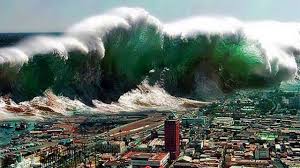
Which natural disaster is a long high sea wave caused by an earthquake, submarine landslide, or other disturbance?
a)
Hurricane
b)
Flood
c)
Wildfire 
d)
Tsunami 
38.
Which natural disaster is a sudden and violent shaking of the ground, sometimes causing great destruction, as a result of movements within the earth's crust or volcanic action?
a)
Earthquake
b)
Tsunami
c)
Thunderstorm
d)
Flooding
39.

What are some natural disasters?

a)

A war

b)

hurricanes, earthquakes, tornadoes, tsunamis, and rain

c)

hurricanes, earthquakes, tornadoes, tsunamis, and volcanoes

d)

A very bad day

40.
Scientists and engineers work together to try to reduce the damage from natural hazards. Which term is used to describe this process?
a)
mitigation
b)
technology
c)
controlling variables
d)
engineering
41.
Where do hurricanes develop?
a)
Land
b)
Ocean
c)
Rivers
42.
Latitude and Longitude are measured in______.
a)
kilometers
b)
degrees
c)
miles
d)
hours
43.
Which of the following letter is at approximately 60 degrees S, 40 degrees W? 
a)
A
b)
D
c)
E
d)
H
44.
The 0 degree line of latitude is the ___________.
a)
Equator
b)
Prime Meridian
c)
International Date Line
d)
Contour line
45.
a)
The map shows lines of longitude.
b)
The map shows lines of latitude.
46.
Which letter would you find at 15oS, 60oW?
a)
A
b)
C
c)
L
d)
H
47.
All map projections are somehow incorrect.
a)
True
b)
False
48.

Why does distortion occur on every map?

a)

Cartographers are politically biased.

b)

GIS technology encourages errors.

c)

The 3D world cannot be accurately converted to 2D

49.
How many continents are on the Earth?
a)
7
b)
4
c)
5
d)
2
50.
What is the name of the object by number 1?
a)
North America
b)
South America
c)
United States
d)
Europe 
51.
What is the name of the object by number 2?
a)
North America
b)
South America
c)
United States
d)
Europe 
52.
What is the name of the object by number 3?
a)
North America
b)
Antarctica 
c)
South Pole 
d)
Europe 
53.
What is the name of the object by number 4?
a)
North America
b)
Europe
c)
South Pole 
d)
Africa
54.
What is the name of the object by number 7?
a)
Australia  
b)
Africa
c)
Asia
d)
Europe 
55.
What is the name of the object by number 6?
a)
Australia  
b)
Africa
c)
Asia
d)
Europe 
56.
What is the name of the object by number 5?
a)
Australia  
b)
Africa
c)
Asia
d)
Europe 
57.
What is the difference between a natural hazard and a natural disaster? 
a)
They are exactly the same 
b)
A hazard is what could happen, a disaster is after it has an impact on humans
c)
I disaster is what could happen, a hazard is after it has an impact on humans 
d)
Hurricanes and tsunamis are natural disasters, but earthquakes and volcanoes are hazards