wayground logo

Free Printable Worksheets

NEW

Font size

S
M
L
XL
Worksheets

Quick Check - Nervous/Endocrine/Circulatory/Respiratory

Total questions: 18

Worksheet time: 17mins

Name
Class
Date
1.
The nervous system is composed of the ___, ___, and ___.
a)
heart, brain, kidneys
b)
lungs, liver, stomach
c)
brain, spinal cord, nerves
d)
eyes, pancreas, veins
2.
What is the function of the nervous system.
a)
provide nutrients for the body.
b)
send and recieve messages
c)
circulate oxygen to sells
d)
remove carbon dioxide from blood
3.
Which of the following describes the relationship between sensory neurons and motor neurons?
a)
Motor neurons bring a stimulus input to the brain and sensory neurons carry a movement output. 
b)
Sensory neurons tell motor neurons what to do.
c)
Sensory neurons bring a stimulius input to the spinal cord or brain and the brain or spinal cord sends a motor neuron  response.
d)
Sensory neurons do more than motor neurons
4.

Endocrine glands secrete _

a)

Hormones

b)

Neurotransmitters

c)

A wide range of chemical substances

5.

What is the endocrine system?

a)

A system of vessels that circulates blood around the body.

b)

A group of bones and tissue that provides support and structure for the body.

c)

A group of glands that work together with the nervous system to coordinate all body functions

d)

A group of organs that is responsible for eliminating wastes.

6.

What is the main function of the endocrine system?

a)

It creates chemicals, or hormones, that are sent around the body to maintain homeostasis.

b)

It creates electrical messages that are sent around the body to maintain homeostasis.

c)

It maintains the correct level of oxygen in the body to maintain homeostasis.

d)

It releases waste from the body to maintain homeostasis.

7.

___ is a group of organs and tissues that act as transfer stations carrying needed materials to cells and removing their waste products.

a)

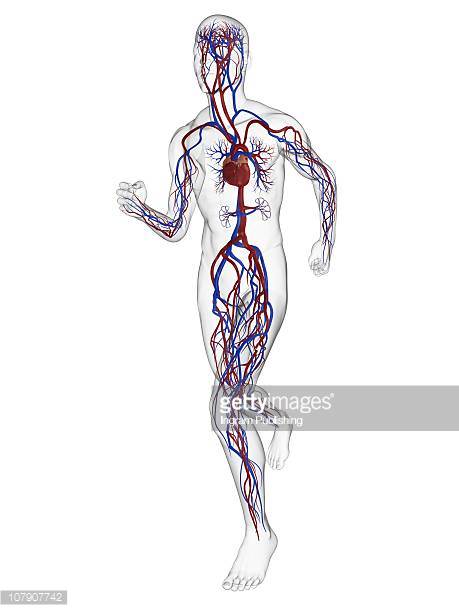
circulatory system

b)

respiratory system

c)

nervous system

8.

___ are tiny blood vessels that carry blood to an from almost all body cells and connect arteries and veins.

a)

arteries

b)

veins

c)

capillaries

9.

What is the main organ of the circulatory system?

a)

small intestine

b)

bone

c)

lungs

d)

heart

10.

Arteries carry oxygen rich blood away from the heart.

a)

True

b)

False

11.

Veins carry oxygen poor blood back to the heart.

a)

False

b)

True

12.
The circulatory system works with the ___________ system to provide our body with oxygen.
a)
respiratory
b)
digestive
c)
muscular
d)
skeletal
13.

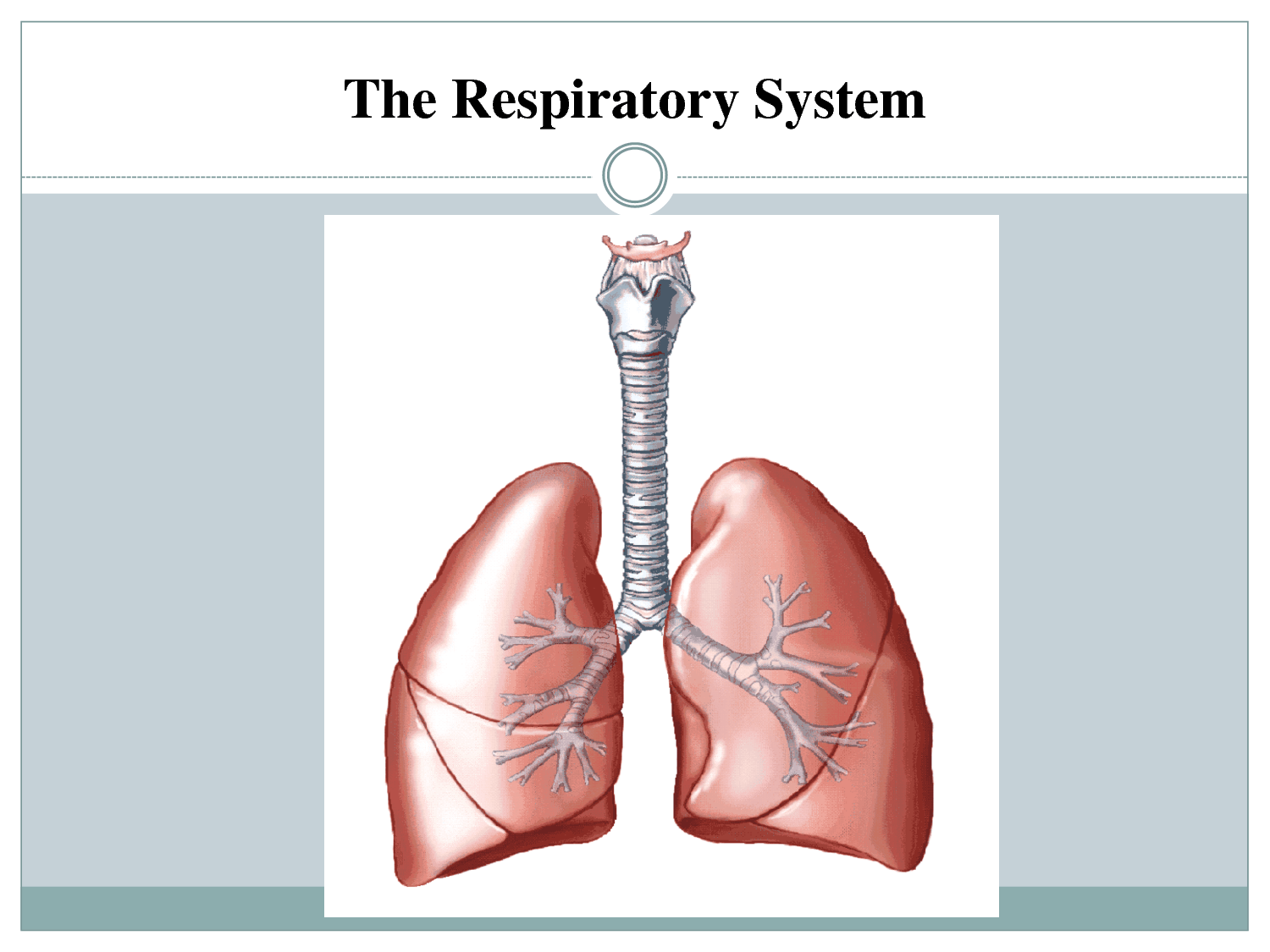
What is the main function of the respiratory system?

a)

to provide oxygen and remove carbon dioxide from the body

b)

o break down food and absorb nutrients

c)

to remove oxygen from the body and deliver carbon dioxide

14.

What are the main organs of the respiratory system that allow us to breathe and for gas exchange to happen?

a)

diapragm

b)

lungs

c)

trachea

15.
When you breathe, your lungs take in ___ and remove ___. 
a)
air/oxygen
b)
oxygen/carbon dioxide 
c)
carbon dioxide/waste 
d)
waste/air 
16.
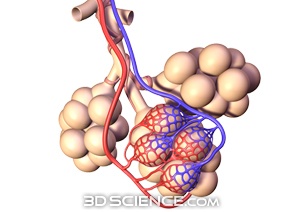
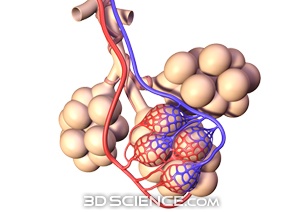
The air sacs that are covered with capillaries where gas exchange takes place
a)
bronchi
b)
lungs
c)
oxygen
d)
alveoli
17.
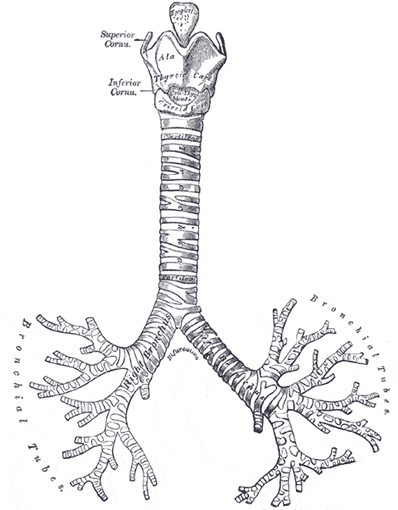
What is tube that is also known as your wind pipe?
a)
esophogus
b)
bronchi
c)
trachea
d)
alveoli
18.
What is mean by homeostasis?
a)
Controls and coordinates body activities through chemical 
b)
controls and coordinates body activities through electrical impulses
c)
For maintenance of a steady state in the internal environment
d)
remove metabolic waste products from the cel