
 Worksheets
Muscular, Skeletal, Excretory & Integumentary Systems
Total questions: 32
Worksheet time: 30mins
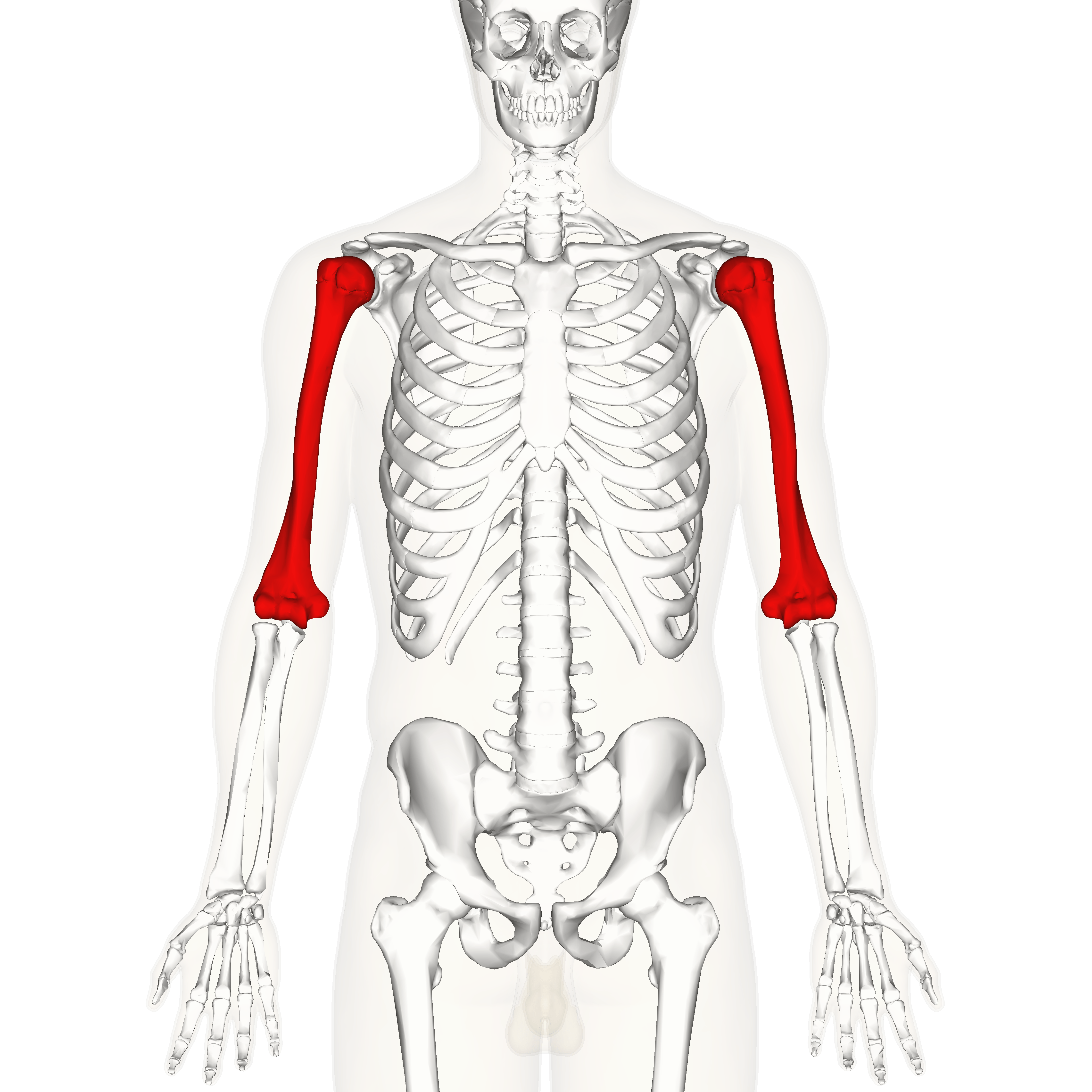
The humerus, the bone in the upper arm of a human, is directly connected to other bones in the arm by
cartilage
tendons
extensors
ligaments
Which two structures are directly involved in locomotion in humans?
visceral muscle and fibrous tendons
smooth muscle and ligaments
skeletal muscle and bones
cardiac muscle and immovable joints
The principal function of perspiration is to
regulate hormone secretion
remove oils from the surface of the skin
deposit antibodies on the surface of the skin
regulate body temperature

The diagram shows a section of human skin.
Structure X represents a
nephron
nephridium
sweat gland
Malpighian tubule

composed of several kinds of tissue that work together to perform a specific job
tissue
organ
joints
ligaments
What are the three types of muscle in the muscular system?
Select ALL that apply.
skeletal
smooth
cardiac
bicep

How does the endocrine system have to do with Homeostasis?
Keeps system balanced with OXYGEN
Keeps systems balanced with BLOOD
Has Nothing to do with it
Keeps systems balanced with FEEDBACK MECHANISMS

Dialysis is a medical treatment used when a person’s kidneys are no longer able to function. During this process, a machine uses an artificial membrane to remove waste products from the blood. Which body system below is not functioning properly in a person who requires dialysis?
Endocrine system
Integumentary system
Excretory system
Circulatory system
Cell---__________________---Organ---Organ System---Organism
Tissue
Organelles
Cellular
Cytoplasm

What 2 systems: Allows for movement
Muscular and Skeletal
Endocrine and Skeletal
Nervous and Circulatory
Integumentary and Reproductive
What 2 systems: Controls body temperature (sweating, goose bumps)
Integumentary and Immune
Circulatory and Immune
Skeletal and Integumentary
Integumentary and nervous
Why is the maintenance of homeostasis important to multicellular organisms?
They must keep their internal environment within a narrow range of conditions.
They require the ability to adjust their internal environment to match their external environment
Their cells need to be able to respond rapidly to drastic changes in their external enviornment
Their internal environment must provide their cells with a wide range of conditions

Which two body systems are working together to make this type of physical movement from the basketball player?
Circulatory and Excretory
Skeletal and Muscular
Nervous and Digestive
Respiratory and Skeletal
What system eliminates non solid waste from the body?
Integumentary
Digestive
Excretory
Respiratory

What is the function of this system?
Gets rid of carbon dioxide waste
Produces movement
Protects your body from infections
It gathers information and responds to the information
Which system includes the kidneys, ureters, urinary bladder, urethra?
Digestive
Muscular
Excretory
Nervous
How does the muscular system and the skeletal system work together?
The muscular system allows the body to stand up while the skeletal system allows the body to move
The muscular system allows the body to move and the skeletal system gives the body a structure
The muscular system gives the body nutrients while the skeletal system gives the body blood
The skeletal system makes blood cells and the muscular system makes nutrients
Put the following terms in order from smallest to largest:
Tissue Cell Organ Organism Organ System
Tissue Cell Organ Organism Organ System
Cell Tissue Organism Organ system Organ
Cell Tissue Organ Organ System Organism
Organism Organ Tissue Cell Organ System

Main function is to eliminate wastes from the body.
Skeletal System
Nervous System
Muscular System
Excretory System
Reproductive System
To provide structure, framework (shape), and support for the body.
Nervous System
Skeletal System
Excretory System
Respiratory System
Reproductive System
To filter (clean) wastes out of the blood and remove the wastes from the body.
Nervous System
Skeletal System
Excretory System
Respiratory System
Reproductive System
To provide cover and protection for the organs of the human body.
Muscular System
Endocrine System
Digestive System
Integumentary System
Circulatory System

