wayground logo

Free Printable Worksheets

Font size

S
M
L
XL
Worksheets

Yr 9 Exam Revision

Total questions: 26

Worksheet time: 14mins

Name
Class
Date
1.
Before convicts were sent to Australia, England had floating prisons called
a)
Hulks
b)
Boat jails
c)
Aqua prisons
d)
Shipsterns
2.
Why were convicts sent to Australia?
a)
Because they wanted to go
b)
Because England had too many prisoners
c)
Because they wanted an adventure
d)
Because they didn't know where else to send them
3.

Relating to, used for, or prescribing the punishment of offenders under the legal system

a)

Colony

b)

Penal

c)

Convict

d)

Fleet

4.
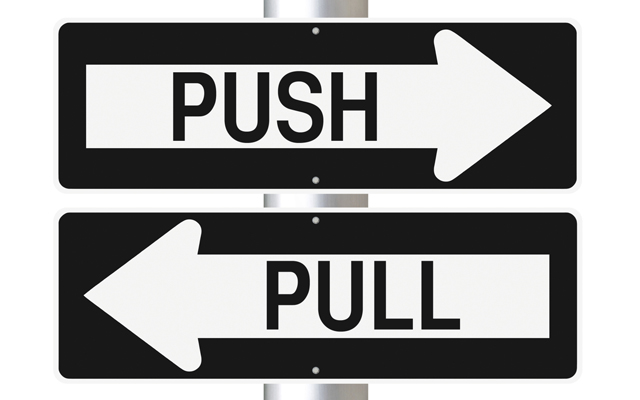
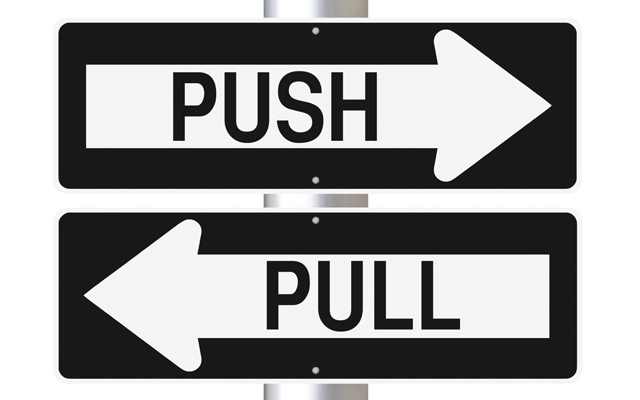
Push factors are....
a)
good things that draw a person to another country
b)
reasons that drive a person out of their country
c)
reasons people migrate to a new area
5.
Pull factors are....
a)
good things that draw a person to another country.
b)
reasons people leave an area
c)
reasons that drive a person out of their country
6.
 Opportunity to make more money is a .....
a)
push factor
b)
pull factor
7.
Limited food is a ....
a)
pull factor
b)
push factor
8.
Who was in charge of the First Fleet?
a)
Captain Cook
b)
Captain Arthur Phillip
c)
Captain Jobe Watson
d)
Captain
9.
When slaves were loaded onto boats to be taken and sold, this part of the triangular trade route was called what?
a)
the American Passage
b)
the Middle Passage
c)
the Lower Passage
d)
the African Passage
10.
A complete end to slavery
a)
abolition
b)
abolitionist
c)
emancipation
d)
dehumanization
11.

The Triple Entente was comprised of:

a)

Germany, Austria-Hungary, and the Ottoman Empire

b)

Italy, Greece, and Japan

c)

France, Britain & Russia

d)

Belgium, Serbia & Poland

12.
What is the belief or desire of a government or people that a country should maintain a strong military capability and be prepared to use it aggressively to defend or promote national interests?
a)
imperialism
b)
nationalism
c)
militarism
13.
What was Germany, Italy, and Austria Hungry called during WWI?
a)
Allied Powers
b)
Central Powers
14.
Who was assassinated by a Serbian National and began WWI?
a)
Archduke Franz Ferdinand 
b)
Prince Charles
c)
Queen Elizabeth
15.
What was the land between the trenches called during WWI?
a)
Dead Man's land
b)
No Man's land
c)
Military land
d)
Dangerous land
16.

WWI officially began with...

a)

Germany's declaration of war on the 4th of August 1914

b)

Britain's declaration of war on the 4th of August 1914

c)

Germany's declaration of war on the 11th of November 1918

d)

Britain's declaration of war on the 11th of November 1918

17.

What was the German plan for a quick knock out of France before taking on Russia?

a)

The Schlieffen plan

b)

Plan B

c)

Operation Barbarossa

d)

D-Day

18.
a deadlock in which neither side is strong enough to defeat the other. 
a)
Propaganda
b)
Stalemate
c)
Lusitania
19.

Who was the leader of Britain at the start of WWI?

a)

David Lloyd George

b)

Georges Clemenceau

c)

Woodrow Wilson

d)

Vittorio Orlando

20.

Which of the following statements is TRUE?

a)

Australian troops fighting overseas in World War 1 were conscripted.

b)

Australian troops fighting overseas in World War 1 enlisted voluntarily.

21.

Who shot the Archduke of Austria-Hungary

a)

Eric Clapton

b)

Kaiser Whilhelm

c)

Bob Marley

d)

Gavrilo Princip

22.
When Germany backed up Austria Hungary to attack Serbia, this action became known as____.
a)
Imperialism
b)
the blank check
c)
treason
d)
an alliance
23.

A problem with going through Belgium was that...

a)

Belgium was neutral and allied with Great Britain

b)

Belgium is a long way from Germany

c)

Belgium had a very large, powerful army

d)

Belgium is full of swampland

24.

The Schlieffen plan had failed to knock the French out of the war. Select three reasons for this.

a)

Russia mobilised its army more quickly than expected. The Germans had to send troops to the east.

b)

The Germans relied on trains to quickly transport their troops but many train lines were destroyed.

c)

Bad weather forced the German army to slow down for several weeks.

d)

Belgium provided unexpected resistance against the invading German army

25.

German trenches were generally better quality than British trenches because...

a)

The Allies had no interest in having advanced trenches

b)

German commanders had more money to spend on the trenches

c)

Whilst the British saw trench warfare as a short-term strategy, the Germans viewed this as long-term


26.
What is the problem shown that troops suffered from?
a)
Gangrene
b)
Cold feet
c)
Trench foot
d)
Elephantiasis