
 Worksheets
20-21Ionic vs Covalent Bonding Test Review
Total questions: 35
Worksheet time: 26mins
The chemical bond between a metal and a non-metal will be a _____ bond.
metal
ionic
covalent
polar
The chemical bond between a non-metal and another non-metal will be a ________ bond.
metal
ionic
covalent
polar

In an ionic bond the metal wants to ______ electrons.
lose
gain
share

When a metal loses an electron(s) it becomes a ...
positive ion
negative ion
metalloid
nonmetal

In an ionic bond the non-metal wants to ______ electron(s).
lose
gain
share

When a non-metal gains an electron it becomes a...
positive ion
negative ion
metalloid
metal

In a covalent bond both non-metals _____ electrons.
transfer
share
Beryllium and sulfur will form a ______ bond
ionic
covalent
metalloid
When beryllium loses an electron to sulfur it becomes a...
positive ion
negative ion
When sulfur gains an electron from beryllium it becomes a...
positive ion
negative ion
Carbon and Oxygen will make a ___________ bond.
ionic
covalent
metallic
Sodium and Bromine will make a _____ bond.
ionic
covalent
metallic
If two fluorine atoms bond they will make a _____ bond.
ionic
covalent
metallic
When chlorine gains an electron from sodium, chlorine becomes a ...
positive ion
negative ion
When sodium loses an electron to chlorine, sodium becomes a .......
positive ion
negative ion
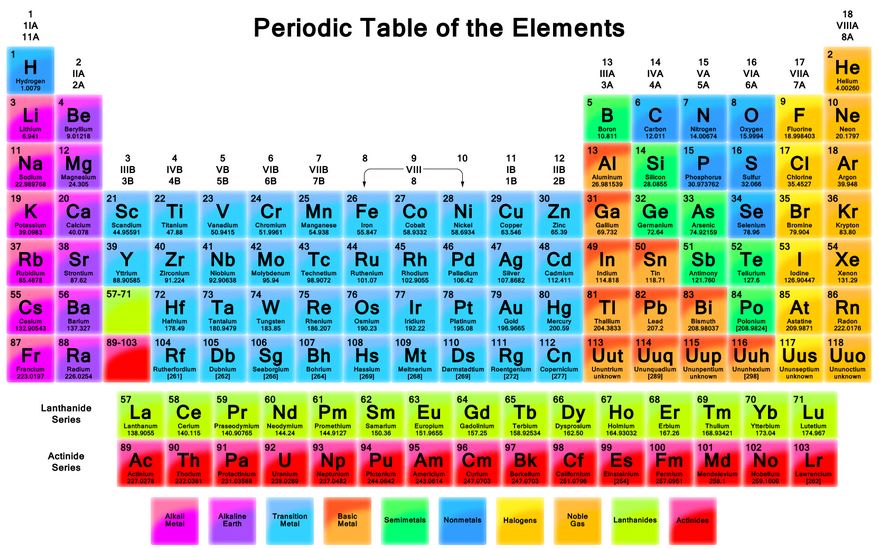
Which of the following names matches the chemical formula N2O3?
Dinitrogen triople oxide
Nitrogen oxide
Dinitrogen trioxide
Trioxide nitrogen

The name of the following covalent bond is...?
Nitrogen oxide
Mononitrogen oxide
Nitrogen Oxygen
Nitrogen dioxide
How many atoms are in this molecule? C6H12O6
6
12
18
24
Cr3+ O2-
K1+ S2-
Al3+ O2-
What is the correct chemical formula for potassium sulfate?
K2S
K2SO4
KS
KSO4
K4SO
What is the formula for copper (I) hydroxide?
CuH
Cu(OH)
Cu(OH)2
CuOH2
What is the systematic name of PCl5?
Phosphorus chloride
Phosphorus pentachloride
Monophosphorus pentachloride
What is the overall charge of an atom?
Zero
A positive number
A negative number

