
 Worksheets
Declaration of Independence
Total questions: 13
Worksheet time: 6mins

According to the Declaration of Independence, what truth was "self-evident"?
All men are created equal
Rights are given by good kings
Government exists to protect us from ourselves
Only a democracy can protect our rights
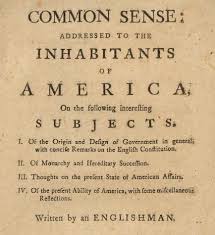
Who is the main author of the DoI?
George Washington
Thomas Jefferson
John Locke
Thomas Paine
Which of the following is an example of King George II violating the rights of the Colonists?
For cutting off our Trade with all parts of the world:
For imposing Taxes on us without our Consent:
For meeting "humble" petitions with violence
All of the above
What does "Absolved from all Allegiance to the British Crown" mean?
The Colonists were loyal to Britain
The Colonists could still trade with Britain
The Colonists were not longer loyal to Britain
The Colonists could no longer levy taxes
When and Where were the DoI Created
July 1775 in Philadelphia
July 1776 in Philadelphia
July 1775 in Boston
July 1776 in Boston


Which of the following ideas was NOT in the Declaration of Independence?
All people are equal
People have the right to get rid of an unfair government
Great Britain has passed unfair laws
Great Britain caused the colonists to lose money
What percentage of people in the United States did the Declaration of Independence actually apply to? (Choose the answer that is closest)
100%
83%
50%
< 50%

