
NEW
Font size
 Worksheets
Unit 6 Ancient Greece Review
Total questions: 64
Worksheet time: 32mins
A Greek polis was a ______ in Ancient Greece.
Republic
city-state
Empire
religion


(Also, the largest city-state by a wide margin)

This word means "love of wisdom."
oligarchy
philosophy
"High city" where temples were located
polis
acropolis
Which of the following was an ancient Greek philosopher?
Socrates
Plato
Aristotle
All of these
What effect did the Peloponnesian War have on Greece?
It weakened Greece.
It strengthened Greece.

a watercolor painting done on wet plaster
fresco
strait
shrine
Knossos

Minoan palace on Crete
Homer
Knossos
shrine
fresco

areas dedicated to the honor of gods
fresco
strait
shrine
Knossos
narrow water passage
fresco
strait
shrine
author of the Iliad and the Odyssey
Homer
Homer Simpson
Socrates
Plato
Which civilization developed on the island of Crete between 1600 and 1400 B.C.E.?
Minoan
Mycenaean
Trojan
Dorian
The development of Minoan and Mycenaean civilization occurred during the ______.
Stone Age
Bronze Age
Dark Age
Archaic Age
The Trojan War was fought over _____.
control of Crete
conflict between Sparta and Athens
access to key minerals in Troy
access to the straits of Dardanelles
Minoans were especially known for their _____.
development of the decimal system
fine gold ornaments
thick-walled fortresses
shipbuilding
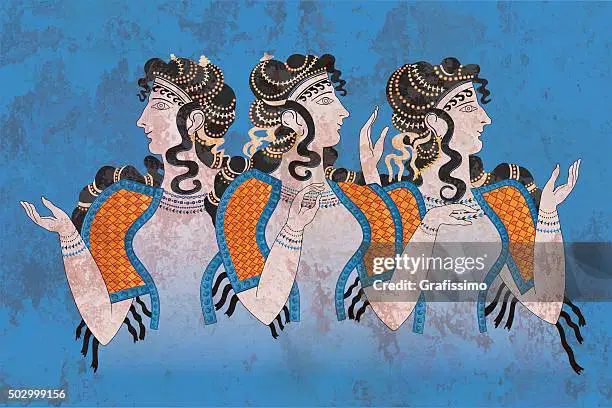
Which civilization allowed women to appear freely in public and allowed more rights to women than other ancient civilizations?
Minoan
Mycenaean
Dorian
Athenian
The Mycenaeans relied on _____ for protection from invaders.
a strong navy
iron weapons
thick-walled fortresses
two-wheeled chariots
The Mycenaeans lived mostly _____.
on Crete
in Asia Minor
on the Peloponnesian Peninsula
in Macedonia
Which of Homer's works describes the Trojan War?
Euripides
The Odyssey
Hamlet
The Iliad
Who invaded and decreased the power of the Mycenaeans, leading to a Dark Age?
the Trojans
the Dorians
the Minoans
the Athenians
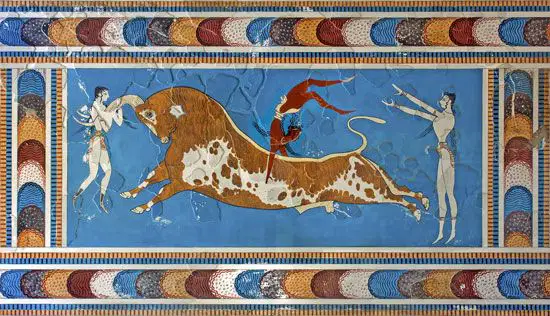
Which would NOT have been depicted on a Minoan fresco?
ships and sea life
bull leaping
women appearing in public
the Trojan Horse
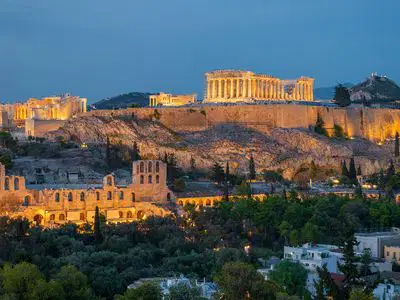
high city
polis
acropolis
oligarchy
monarchy
free residents
polis
acropolis
citizen
oligarchy
rule by a few nobles or small group of rich people
democracy
tyranny
monarchy
oligarchy
city-state
empire
polis
acropolis
agora
rule by one hereditary ruler or king
tyranny
democracy
oligarchy
monarchy
government run by a strong ruler or dictator
tyranny
oligarchy
monarchy
democracy
government in which citizens take part directly in the day-to-day affairs of government
direct democracy
representative democracy
government in which people elect representatives to make the nation's laws
direct democracy
representative democracy
city-state in the Peloponnesus focused on warfare
Sparta
Corinth
Athens
Thebes
city-state known for its democratic government and focus on the individual
Sparta
Corinth
Thebes
Athens
What is one cultural development the Greeks adapted as a result of trade?
Phoenician alphabet
decimal system
monarchy
paper money
What would the acropolis contain?
marketplace and theater
public buildings and homes
great marble temples dedicated to gods and goddesses
farmland
Who was MOST likely to be involved in the government of Athens?
conquered peoples
male landowners
children
educated women
What was the cause of the Persian War?
Persian ruler Darius I was upset that the Athenians helped in a revolte against the Persian Empire.
The Trojans had control of the straits of Dardanelles, and the Mycenaeans were upset.
Sparta was resentful of the way Athens treated other city-states within the Delian League.
Philip II conquered Greece.
Who won the Persian War?
Athens
Sparta
Persia
Macedonia

Who was best known for their navy?
Macedonia
Sparta
Persia
Athens
What was the cause of the Peloponnesian War?
Persian ruler Darius I was upset that the Athenians had helped in a revolt against the Persian Empire.
The Trojans had control of the straits of Dardanelles, and the Mycenaens were upset.
Sparta was resentful of the way Athens treated other city-states within the Delian League.
Philip II conquered Greece.
_____ and _____ were the two major Greek city-states who fought one another in the Peloponnesian War.
Olympia, Athens
Athens, Sparta
Sparta, Corinth
Olympia, Sparta
Who won the Peloponnesian War?
Athens
Sparta
Persia
Macedonia
Athenian philosopher, taught using a method of questioning, was put to death
Socrates
Plato
Aristotle
Alexander the Great
student of Socrates; wrote The Republic
Pythagoras
Plato
Aristotle
Alexander the Great
lover of wisdom, thinker
sarissa
phalanx
philosopher
Plato's famous student, wrote about government, tutor to Alexander the Great
Socrates
Pythagoras
Aristotle
Hippocrates
led conquests into Egypt, Persia, and India
Socrates
Plato
Aristotle
Alexander the Great
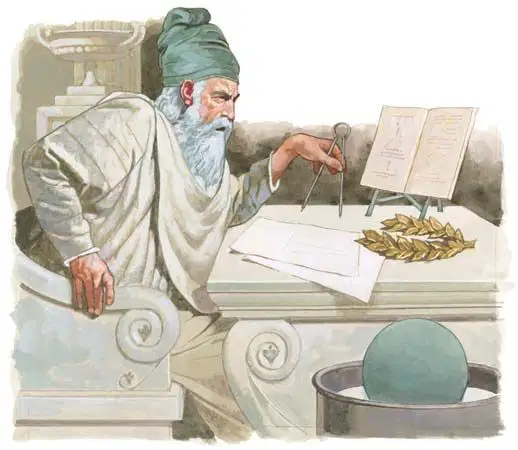
studied physics, used the lever and the pulley
Pythagoras
Archimedes
Hippocrates
Herodotus
the "Father of History"
Archimedes
Hippocrates
Pythagoras
Herodotus
derived a formula to calculate the relationship between the sides of a right triangle
Pythagoras
Archimedes
Hippocrates
Herodotus
Philip II led the _____ in a conquest of Greece.
Persians
Macedonians
Athenians
Spartans
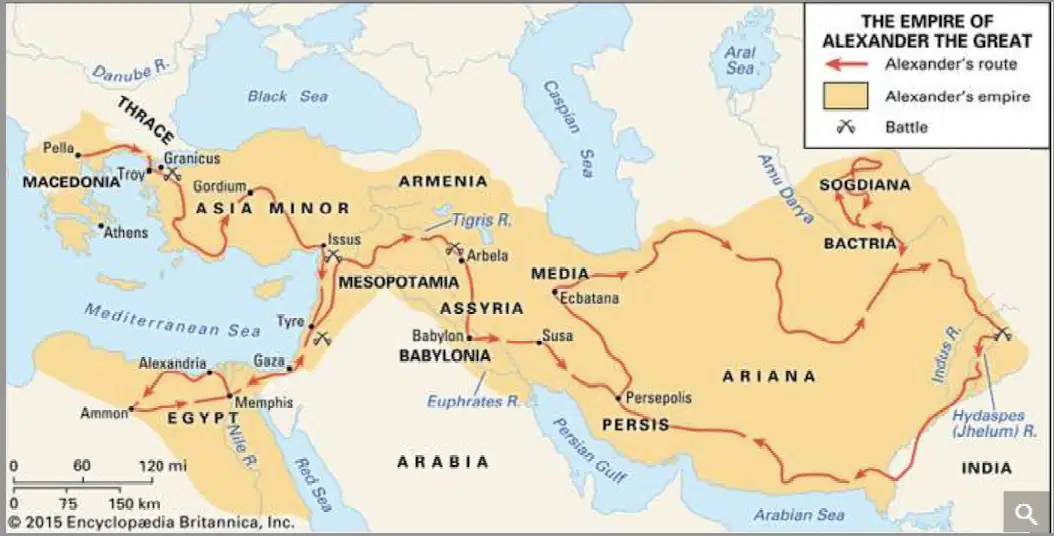
As Alexander traveled, he established cities named after himself. An example of this is _____.
Babylon
Alexandria
Persepolis
Pella
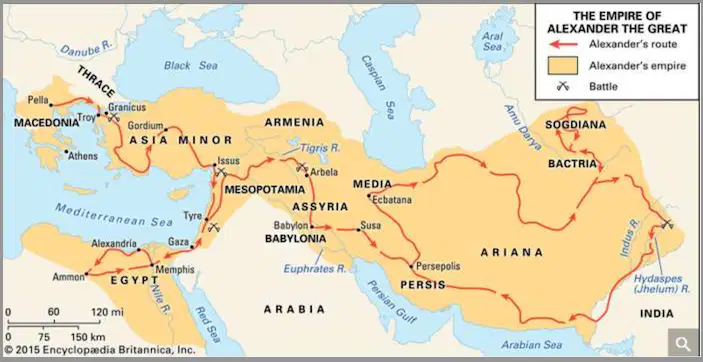
The farthest EAST that Alexander's empire went was the _____.
Nile River
Tigris River
Mediterranean Sea
Indus River
What was an effect of Alexander the Great's conquests?
Greek culture was spread far beyond Greece.
Greece became weaker.
Persia was freed from Egyptian control.
Women gained more rights.

