
NEW
Font size
 Worksheets
Ecocycles
Total questions: 15
Worksheet time: 7mins
When humans burn fossil fuels, most of the carbon enters the ???? as carbon dioxide
Atmosphere
Air
Water
Greenhouse gases
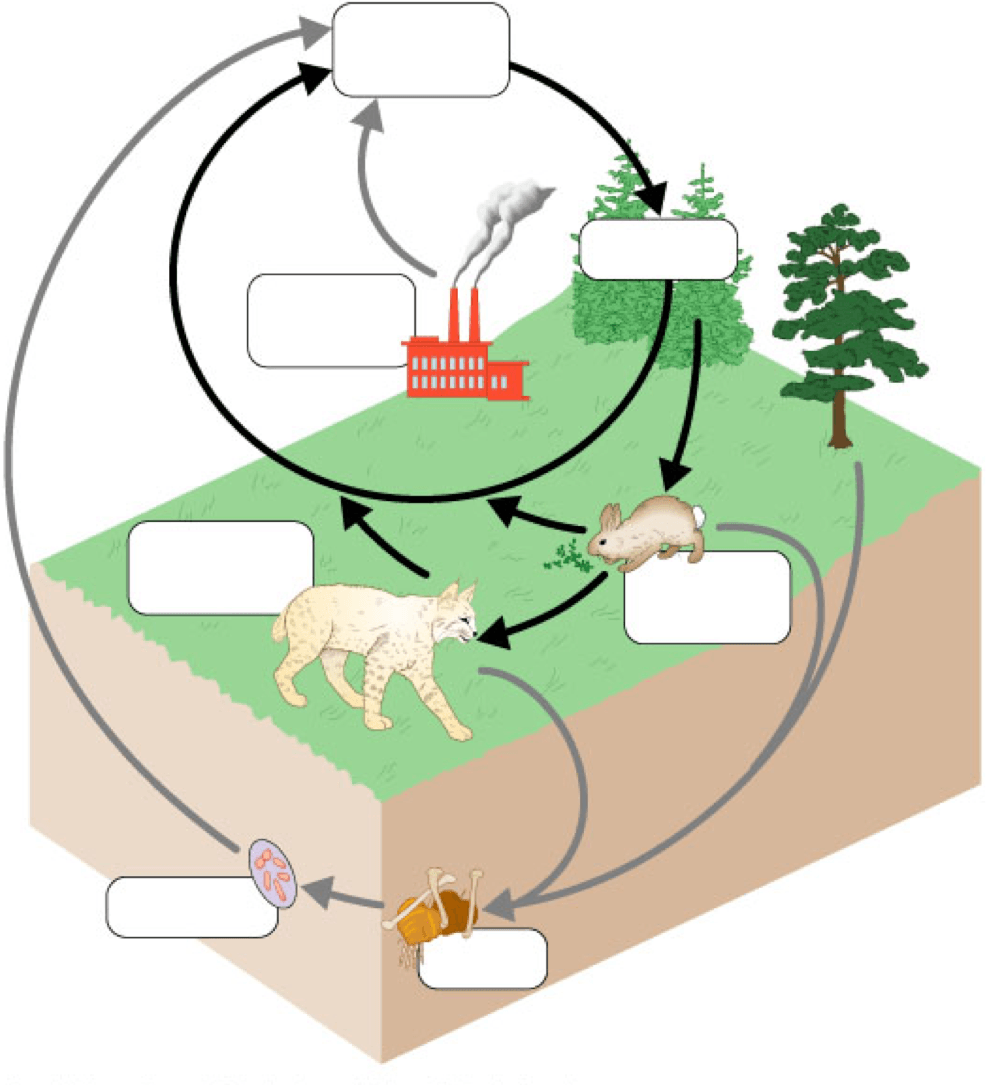
Why is the carbon cycle important?
It continuously reuses and recycles carbon in the ecosystem
It helps animals to digest food
It takes oxygen and nitrogen out of the atmosphere
How do living organisms return carbon to the atmosphere in the carbon cycle
Respiration
Photosynthesis
Decomposition
Decarbonisation
What causes eutrophication?
excessive nutrients
radiation
lack of phosphorus in an ecosystem
lack of oxygen in water
what is phosphorus used for in the body?
help digestion
formation of bones and teeth
strengthens nerve connections
improves eyesight
what does too much phosphorus do to your body?
does not have any negative effects
negative impact on motor skills
stunts growth
hardens organs and soft tissue
What is not an effect the human effects on the water cycle
Urbanisation
Deforestation
Cloud seeding
Overpopulation
What is one action humans should be taking to reduce our effect on the water cycle
Use and collect rainwater
take longer showers
drink bottled water
cry into the ocean
Which one of the following activities most likely increases the nitrogen concentration in the atmosphere?
Burning fossil fuels
Boiling water
Cutting down trees
Eating a sandwich
Which one of the following activities provides nitrogen for human tissue?
By picking it up
By Breathing
By consuming protein
By eating lipids
Which bacteria is responsible for adding nitrogen to the atmosphere?
Denitrifying bacteria
Eubacteria
Archaebacteria
Nitrifying bacteria

