
 Worksheets
Indirect vs. Direct Characterization
Total questions: 31
Worksheet time: 45mins
Characterization is
the central message in a story
the problem in a story
the process by which a writer reveals a character's personality and qualities
In direct characterization....
the writer describes the character
the writer reveals the character through STEAL
the writer doesn't care how you learn about the character
What does STEAL stand for?
Speech, Thoughts, Effect on others, Actions, and Looks
Statements, Time, Effort, Actions, and Love
Solitude, Thoughts, Enthusiasm, Actions, and Loss
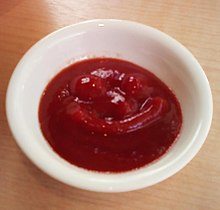
What do you know about Jack from this sentence?
Jack looked at his sister with a strange look on his face after she put ketchup in her milk.
Jack thinks his sister is making a good choice.
Jack thinks his sister is weird for using ketchup in her milk.
Jack doesn't care what his sister does.
Jonathan looked at the homeless dog walking down the street of his neighborhood. He approached the dog, slowly cautiously, with his hands stretched outward. After gaining his trust, Jonathan took the dog home, gave him a warm bath, and big bowl of food.
In indirect characterization, the author does not come out and tell us what the character is like. Instead, the author shows the character’s personality through things the character says, does, feels and thinks and the way other characters react to the character.
In the following passage from the book The Wonderful Wizard of Oz by L. Frank Baum, the character Dorothy is talking to another character, the Scarecrow.
Read the passage and then answer the question below.
“No, indeed. I don’t know anything. You see, I am stuffed, so I have no brains at all," [the Scarecrow] answered sadly.
“Oh,” said Dorothy, “I'm awfully sorry for you.”
“Do you think,” he asked, “if I go to the Emerald City with you, that Oz would give me some brains?”
“I cannot tell,” she returned, “but you may come with me, if you like. If Oz will not give you any brains you will be no worse off than you are now.”
Which detail from the passage best shows us that Dorothy is caring and kind?
“‘I cannot tell,’ she returned...”
“‘I don’t know anything. You see, I am stuffed, so I have no brains at all,’ [the Scarecrow] answered sadly.”
“‘Oh,’” said Dorothy, “‘I'm awfully sorry for you.’”
“Do you think,” he asked, “if I go to the Emerald City with you, that Oz would give me some brains?”
Making an inference means using clues from the story to figure out something that the author doesn’t directly tell you.
Read the following passage.
“We did it! We did it! We did it!” Mei boasted, slapping her hand against the table, scattering toast crumbs, knocking aside teaspoons and almost smearing the butter in her zeal.
“Whoa!” her brother exclaimed, startled. “Well, congratulations!”
Mei stood up and triumphantly strutted around the kitchen, transforming her walk around the breakfast table into a victory parade.
Her brother laughed, surprised and amused. “Who are you, and what have you done with my sister, Mei?” he teased.
Based on the passage, what can you infer about the main character Mei?
Mei is always outgoing and loud.
Mei is timid.
Mei is not very athletic.
Mei is not usually so boastful and energetic.
What can you use to figure out what a character’s traits are?
what the character says
what the character thinks
how other characters react to the character
all of the above
What is characterization?
Characterization is the process by which the writer reveals the emotions of a character.
Characterization is the process by which the writer reveals the personality of a character.
Characterization is the process by which the writer reveals the setting of a story.
Characterization is the process by which the writer reveals the conflict of a story.
John is a shy boy who wears glasses and is quiet.
Direct characterization
Indirect characterization
Which word means: A writer suggests information through a character's thoughts, words, and actions as well as what other characters say and think about the character?
direct characterization
indirect characterization
character traits
character motives
What word means: His or her qualities, such as honesty?
direct characterization
indirect characterization
character traits
character motives
Joshua was a smart and intelligent boy. He always did his homework and studied hard. It showed up each time he took a test and aced it.
When he arrived at school each day, he would ask his teachers if they needed him to take the chairs down or make copies. He enjoyed going to each class and doing little jobs for his teachers.
Which statement is an example of indirect characterization of Joshua being helpful?
Joshua was a smart and intelligent boy.
He always did his homework and studied hard.
It showed up each time he took a test.
When he arrived at school each day, he would ask his teachers if they needed him to take the chairs down or make copies.
Michael stormed out of the room and slammed his books on the desk. He thought that he'd for sure made an A on his test. He studied all night, but when he looked at the test, he realized that he studied the wrong chapters.
Michael was a great athlete. He really needed that A so that he could play the game on Friday. Luckily for him, it was Tuesday, and his teacher was going to allow him to retake it on Thursday.
Which statement in the story is a direct characterization?
Michael was upset
Michael was embarrassed
Michael was a great athlete.
Michael was frustrated.
Crystal was simple. She loved the beach and the calmness of the ocean. She always took a trip in April to the beach to just enjoy nature. She would always be thrilled to go to the aquariums, the petting zoo, and snorkeling.
Crystal was afraid of spiders. Once on her trip, she'd walked onto the beach and stepped right on a spider. She jumped and screamed, and turned really red when she realized that it was fake. Her friend, Carlos, had planted it there to scare her. It worked!
What is an example of direct characterization in the passage?
Crystal was embarrassed.
Crystal loved spring.
Crystal liked sea creatures.
Crystal was afraid of spiders.

