
 Worksheets
3-1 "Our Dynamic Earth" Review (Old)
Total questions: 79
Worksheet time: 54mins
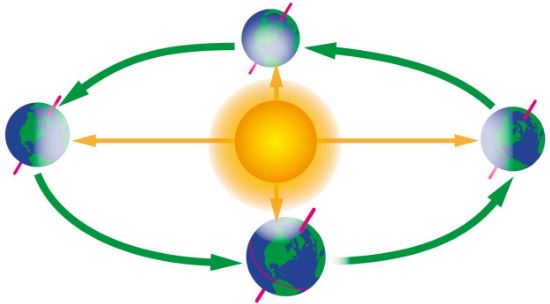
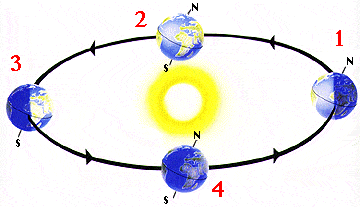
What causes the seasons to change on Earth?
the North and South Poles
Earth’s distance from the sun
the wind currents
the Earth’s tilt as it revolves around the sun
What is the source of all energy on Earth?
the wind
the Sun
Earth's coal
Earth's oxygen
What causes the Tropics to experience hot, sunny weather most of the year?
the Earth's gravity
the direct sunlight
the elevation
the ocean currents
June 21 in the Northern Hemisphere is known as the ____ and is the longest day of the year.
summer solstice
summer equinox
longest day
winter solstice
An ____, when we have equal daylight and nighttime, occur during the spring and fall.
Equinox
Solstice
Half-day
Revolution
The Earth rotates on it's ____, an imaginary line running through the center of Earth.
axis
accurate
orbit
revolution


How long is a day on earth?



12.5 hours
365.25 days
Which of the following is the largest ocean in the world?
Atlantic Ocean
Pacific Ocean
Indian Ocean
Arctic Ocean
About _____ of the Earth's water is salt water.
97%
3%
25%
71%
Where is the deepest location on Earth?
the Ring of Fire
the Mid-Atlantic Ridge
Mount Everest
the Mariana Trench
Which of the following describes how far above sea level a landform or location is?
trench
continental shelf
elevation
relief
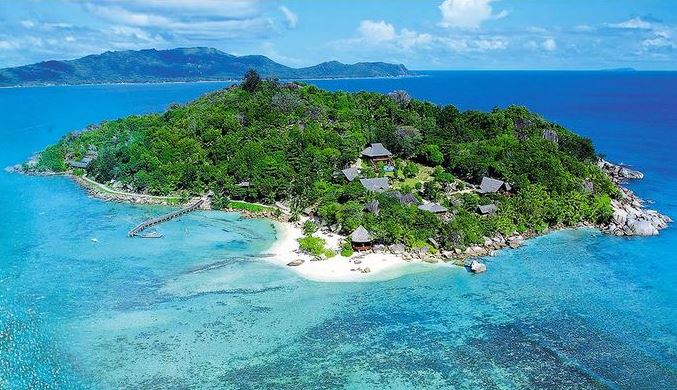
What can cause islands to form in the ocean?
parts of Earth weathering away
we don't know
huge chunks of continents breaking off and floating away
cooled magma building up
Where is most of Earth’s freshwater stored?
in lakes and rivers
in aquifers
in the polar ice caps
in the ocean
What percentage of Earth’s water is fresh water that is accessible for humans? (Meaning not frozen at the poles)
1%
71%
97%
12%
Which landform best supports agriculture and ranching?
mountain range
mesa
plains
trench
What combines with water vapor in the air to create acid rain?
pesticides
gases from fossil fuels
toxic acids from fertilizers
polluted groundwater
_____ is the expensive process that makes salt water safe to drink.
Water cleaning
Salt removal
Mineral removal
Desalinization
a narrow strip of land that connects two larger land areas
isthmus
plateau
archipelago
peninsula
trench
a group or chain of islands
isthmus
plateau
archipelago
peninsula
trench
a flat area that rises above the surrounding land
isthmus
plateau
archipelago
peninsula
trench
a body of land surrounded on three sides by water
isthmus
plateau
archipelago
peninsula
trench
a long, narrow, steep-sided cut on the ocean floor
isthmus
plateau
archipelago
peninsula
trench
What causes earthquakes and volcanoes?
plate movement
the moon’s pull on the Earth
solar flares
the Earth’s tilt
What force has caused the fastest change in Earth’s environment in the last 50 years?
erosion
human actions
weathering
volcanic eruptions
How many continents are found on Earth?
10
4
7
15
Which of the following moves over Earth's mantle, creating changes of Earth's surface features?
faults
continents
tectonic plates
tsunamis
Where is the Ring of Fire located?
the Atlantic Ocean
the Pacific Ocean
the Caribbean Sea
Bay of Bengal
Tectonic plates grinding against one another creates a ____.
fault
tectonic rift
continent
glacier
We live in the _____ of North America
continent
country
tectonic plate
glacier
Earthquakes can trigger ______, a giant ocean wave.
erosion
tsunami
volcano
glacier
The process in which parts of rock are moved elsewhere as the result of wind, rain, or ice is called _____.
weathering
earthquakes
tectonics
erosion
Earth's landforms wear away over time as a result of wind, rain, and flowing water in a process known as ____.
weathering
erosion
tectonics
earthquakes
How long does it take plates to move enough to create landforms?
thousands of years
hundreds of years
millions of years
about a hundred years
True or False: The Earth's crust is made up of seven enormous tectonic plates.
(a)
_____ form as cooled magma builds up and reaches the surface of the ocean.
Islands
Tectonic plates
Fault lines
Earthquakes
Waves and ocean currents depositing sand along coastlines would be an example of what?
Weathering
Erosion
Sudden Changes
Buildup and Movement
The Appalachian Mountains in the United States have become rounded after millions of years of what?
Buildup and Movement
Weathering and Erosion
Plate movement
Hurricanes
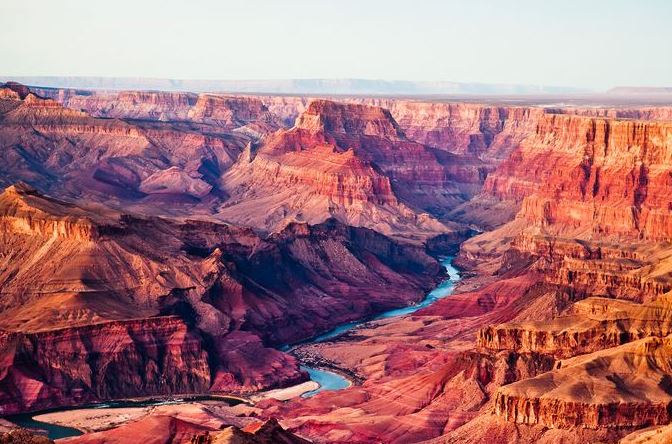
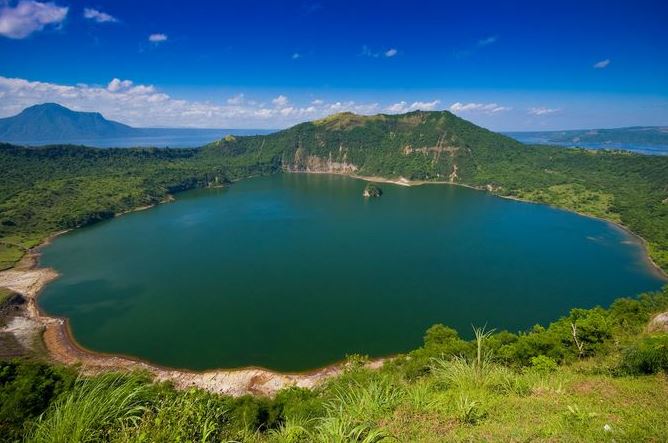

plateau
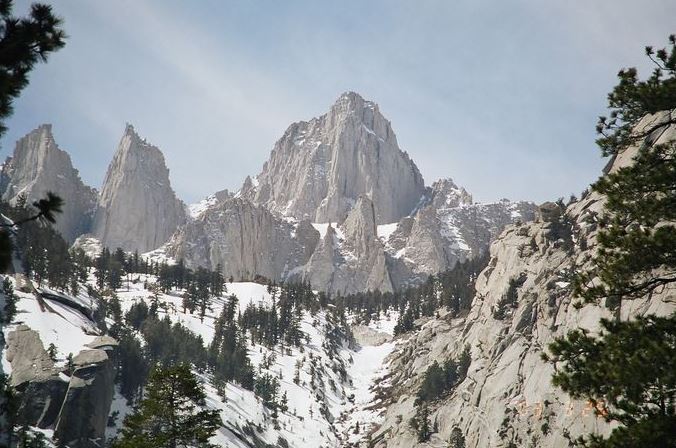
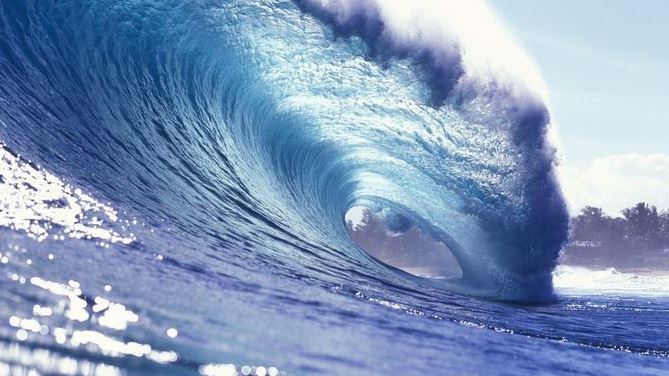
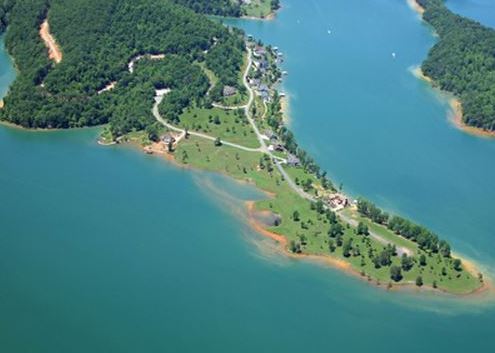
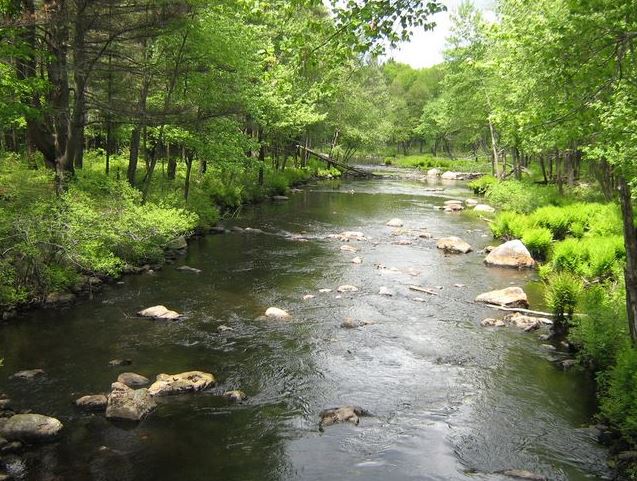
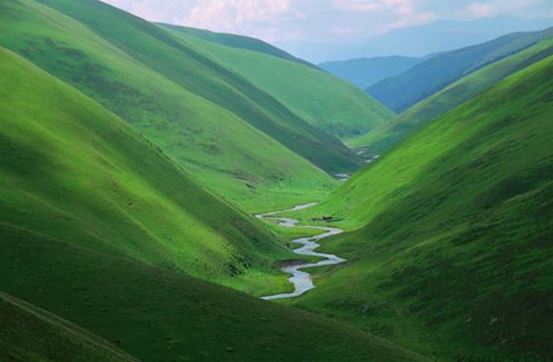
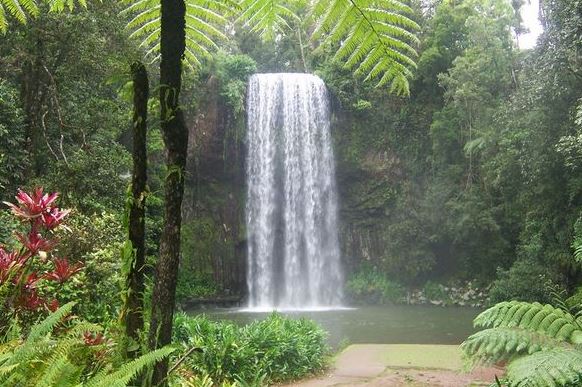

What is this landform?
plain
peninsula
mountain
valley
archipelago

What body of water is this?
ocean
gulf
pond
lake

What is this landform?
mesa

What is this landform?

What is this landform?
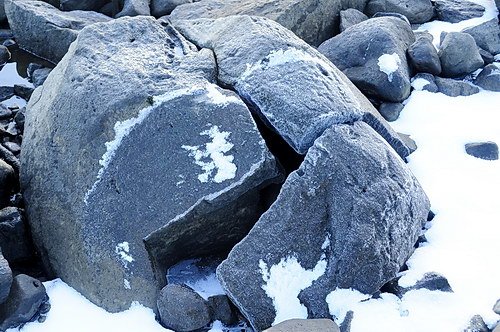
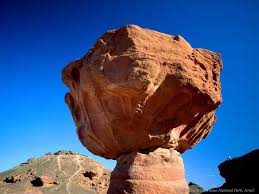


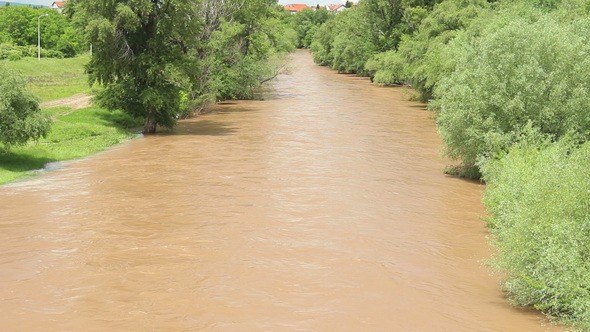

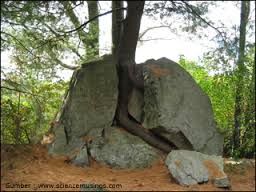

An avalanche is an example of which process?
Weathering
Erosion

What is the process that picks up and moves weathered rocks?
Erosion
Weathering

The process by which water, ice, wind, or gravity moves weathered rock and soil from one place to another.
Weathering
Erosion

Which of these is an example of erosion?
Light shining onto a mountain.
Rain breaking down rocks on a mountain into smaller pieces.
Wind blowing away bits of dirt to a new place on the mountain.
All of the above.
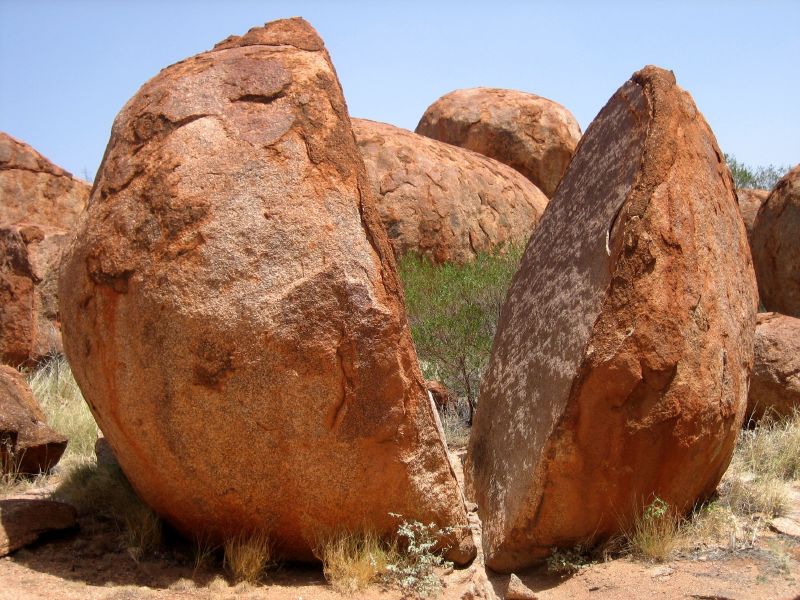
What is the wearing away or breaking down of rocks called?
Weathering
Erosion
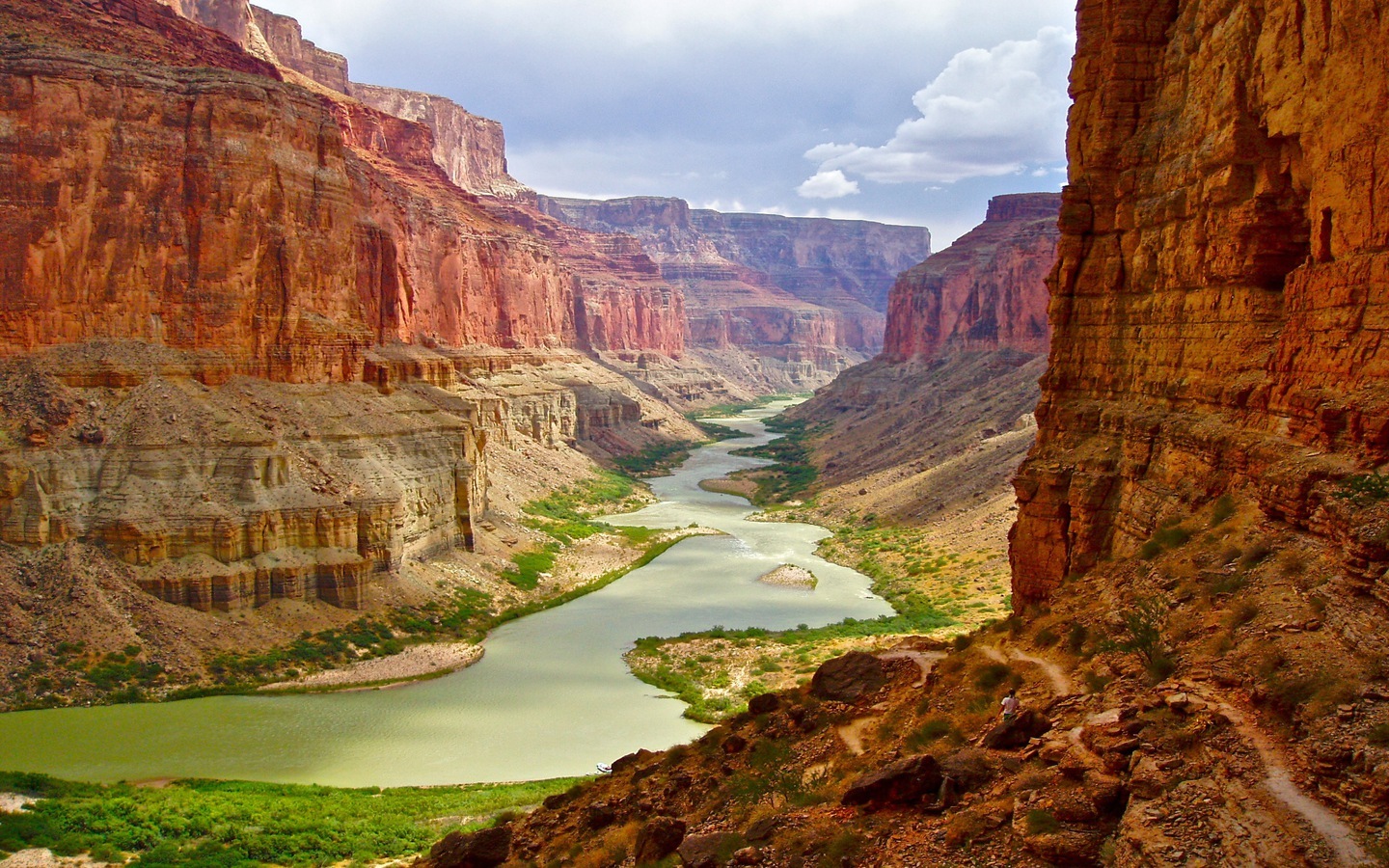
Flood water pounding against a canyon wall and wearing it down is an example of
Weathering
Erosion

