Worksheets
Science: Unit 5 Weather
Total questions: 30
Worksheet time: 25mins
The thin blanket of gases and dust particles that surrounds the earth is called the
altitude
atmosphere
air
weather
The weight of the air is called
altitude
atmosphere
air pressure
weather
The measurement of the distance above sea level is called
altitude
atmosphere
humidity
weather
The condition of the atmosphere at any moment in time is called
altitude
humidity
air pressure
weather
Water vapor in the atmosphere is called
sleet
humidity
weather
wind
The layer of the atmosphere in which weather occurs is called the
troposphere
stratosphere
thermosphere
exosphere
Raindrops that are pushed up over and over again into tall clouds and freeze before falling to the earth form
raindrops
snow
crystals
hail
Condensed water vapor or ice crystals form
rain
clouds
snow
fog
Raindrops that freeze on their way to the earth and land as tiny ice pellets form
rain
snow
sleet
freezing rain
Water droplets in the clouds that join together to make larger drops form
rain
snow
sleet
freezing rain
Ice crystals in the clouds that join together and fall to the earth form
rain
snow
sleet
freezing rain
A body of air that has about the same temperature and moisture is called an
cloud
front
air mass
atmosphere
The boundary where two unlike air masses meet is called a
cloud
air mass
front
line
A low lying cloud like a thin blanket, sometimes fog
Cirrus
Cumulus
Stratus
A fluffy, fair weather cloud
Cirrus
Cumulus
Stratus
A high cloud, thin and wispy that indicates a change in weather
Cirrus
Cumulus
Stratus
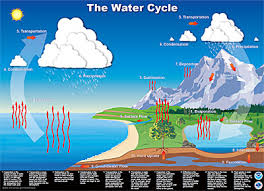
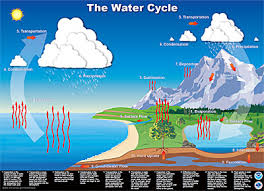
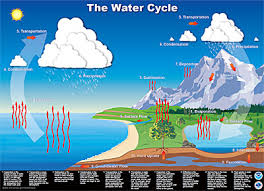
The process by a gas changes into a liquid is called ________.
condensation
precipitation
evaporation
troposphere
The amount of water vapor in the air is called ________.
humidity
evaporation
water cycle
runoff
What do we call the mixture of gases that surround Earth in different layers?
atmosphere
evaporation
runoff
groundwater
What is the process in which water continuously moved from Earth's surface into the atmosphere and back again?
precipitation
water cycle
condensation
evaporation
Water on Earth constantly moves between Earth’s surface and its atmosphere. How does water arrive at Earth’s surface?
through runoff
through evaporation
through precipitation
through condensation
In which of the following places would the air pressure be heaviest?
in a cloud
on a small hill
on a mountaintop
at the bottom of a valley
Molly observes that the sky is covered with a sheet of thick, gray clouds. What kind of weather is most likely to occur?
rainy
sunny
cold
windy
Which type of precipitation is most likely to occur when the cloud and air temperatures are about 50 degrees Farenheit?
snow
hail
sleet
rain