
 Worksheets
Unit 4 Practice Questions
Total questions: 37
Worksheet time: 21mins
Over long periods of time, fossil fuels form deep underground. Which components are related to the formation of fossil fuels?
Lava, sand, and decayed animals
Decayed plants, lave, and minerals
Decayed plants and animals and water from oceans
Decayed plants and animals and sedimentary rock.
The breaking down of rocks on Earth’s surface into smaller pieces
Weathering
Erosion
Deposition
Sediment
When water, wind, and ice move sediment to new places.
Weathering
Erosion
Deposition
Sedimentary
Weathered pieces of material
Cementation
Compaction
Erosion
Sediment
A type of rock that forms when existing rock is weathered, eroded, and deposited in layers on land or underwater.
Sedimentary Rock
Igneous Rock
Metamorphic Rock
Soft Rock
The process of sediment binding to form sedimentary rock.
Sediment
Erosion
Compaction
Cementation
The process of firmly packing together particles of sediment
Deposition
Compaction
Sediment
Cementation
Which of the following are fossil fuels?
coal
oil
natural gas
petroleum
all of them
What is needed for all fossil fuels to form?
Heat
Pressure
A lot of time
All of these
A fan-shaped landform created by sediment being deposited at the mouth of a river.
Delta
Canyon
U-Shaped Valley
Sand Dunes
Formed when water acts as an agent of weathering and erosion. The water breaks the rocks into sediment and carries the sediment away.
U-Shaped Valley
Sand Dunes
Canyon
Delta
Formed by a glacier that carved a deep valley as it slowly moved forward.
Delta
Canyon
U-Shaped Valley
Sand Dunes
A hill or ridge of sand, formed when wind erodes sand and deposits sand in new locations.
Canyon
Sand Dunes
Delta
U-Shaped Valley
____________________ is energy that can be replaced as quickly as it is used.
nonrenewable
renewable
nuclear
kinetic
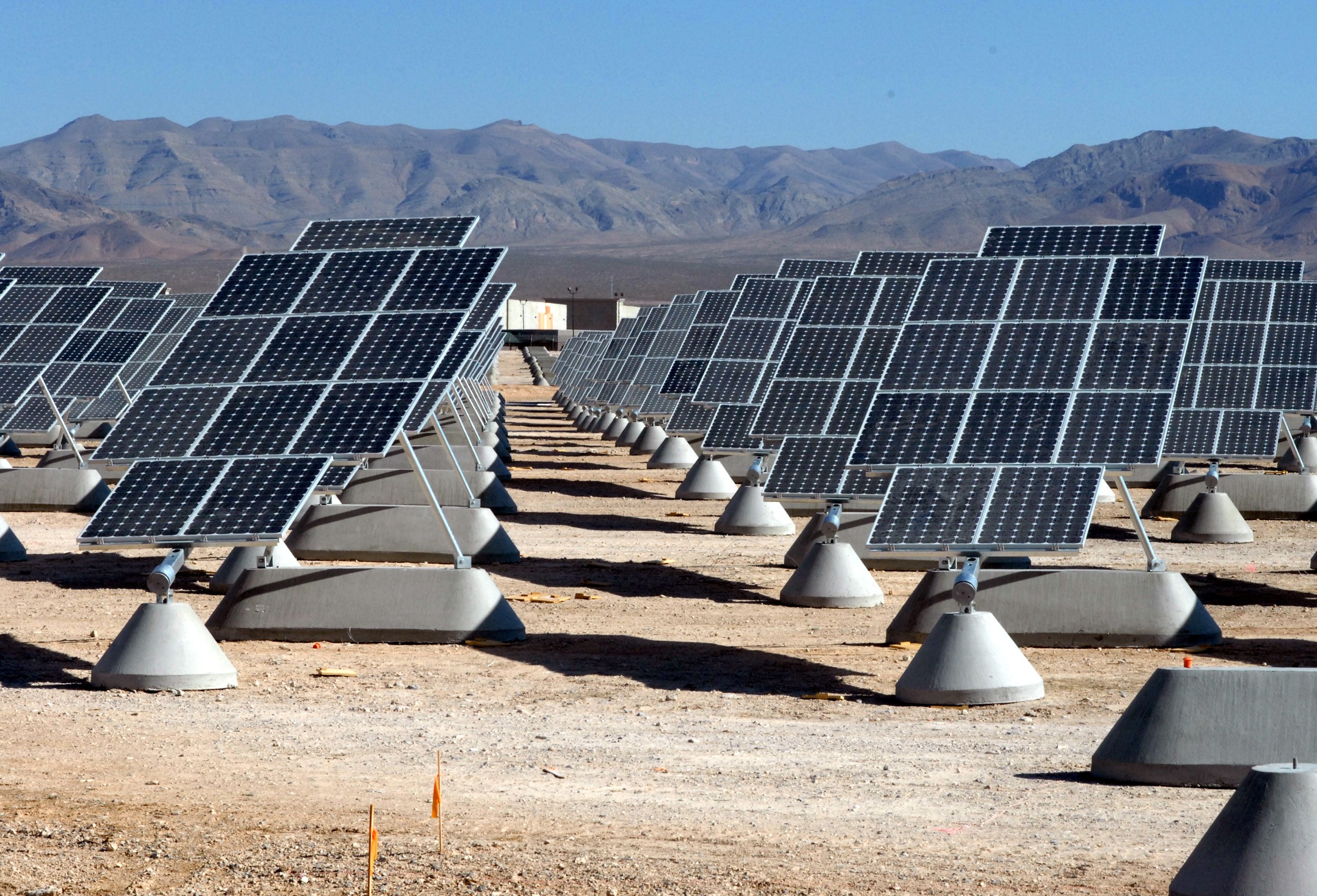
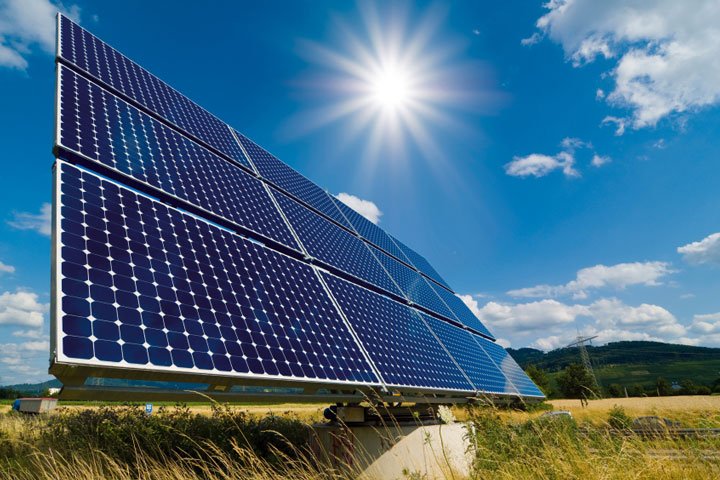
__________________________ energy is a resource that can NEVER be used up.
nonrenewable
renewable
inexhaustible
potential
_____________________ energy comes from underground pockets of hot water.
hydroelectric
nuclear
solar
geothermal
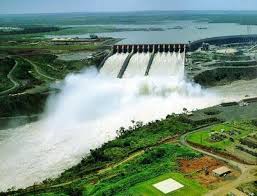
_________________________ is created when the kinetic energy from falling water is converted into electricity.
geothermal energy
biomass energy
wind energy
hydroelectricity
Which one of these is NOT a type of renewable energy?
solar
wind
biomass
nuclear

The solid form of fossil fuels is _______.
petroleum
crude oil
natural gas
coal
Fossil Fuels (choose ALL that apply)
considered nonrenewable resources
cause pollution in the atmosphere
are renewable resources
oil, coal and natural gas
The liquid form of fossil fuels is ___.
coal
oil/petroleum
natural gas
gasoline
The gas form of fossil fuels is ____.
oil/petroleum
natural gas
coal
heat
Fossil fuels were formed from ____.
the remains of once living organisms.
the earth.
solids, liquids, and gases, made millions of years ago.
sun and water.
This fossil fuel is formed from the remains of small organisms that lived in the ocean AND is a thick, black liquid
natural gas
coal
oil
steam
Coal is formed from
rocks
a factory
remains of small organisms that lived many millions of years ago in our oceans
plant remains along with heat and pressure
Label each of the follwowing images as weathering erosion or depostion.

