
 Worksheets
Ecological Succession and Catastrophic events
Total questions: 15
Worksheet time: 16mins
Name
Class
Date
1.
A long period with no rain is called a...
a)
Earthquake
b)
Wildfire
c)
Drought
d)
Tornado
2.
What catastrophic event would be of greatest risk to a grassland?
a)
hurricane
b)
flood
c)
tsunami
d)
wildfire
3.
What catastrophic event would be of greatest risk to a coastal area?
a)
hurricane
b)
drought
c)
none of the above
d)
all of the above
4.
The best method to prevent erosion is to
a)
remove all trees
b)
build homes
c)
grow plants/vegetation
d)
mine
5.

What is the order of succession shown in this figure?
a)
A, B, C, D
b)
B, A, D, C
c)
C, D, A, B
d)
D, A, B, C
6.
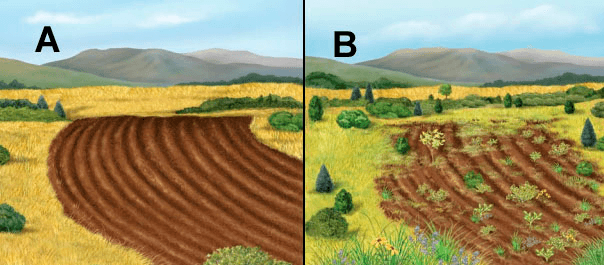
What type of succession is shown going from figure A to figure B?
a)
primary succession
b)
ecological succession
c)
secondary succession
d)
intermediate
7.
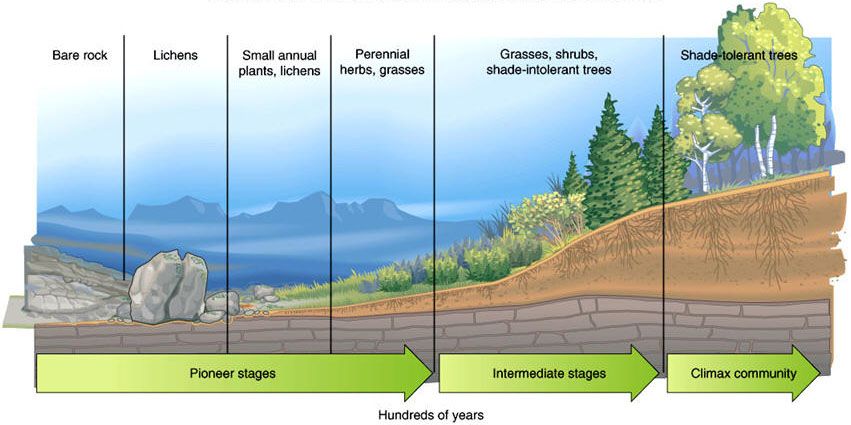
The picture shows what type of succession?
a)
primary
b)
secondary
c)
tertiary
d)
quadanary
8.
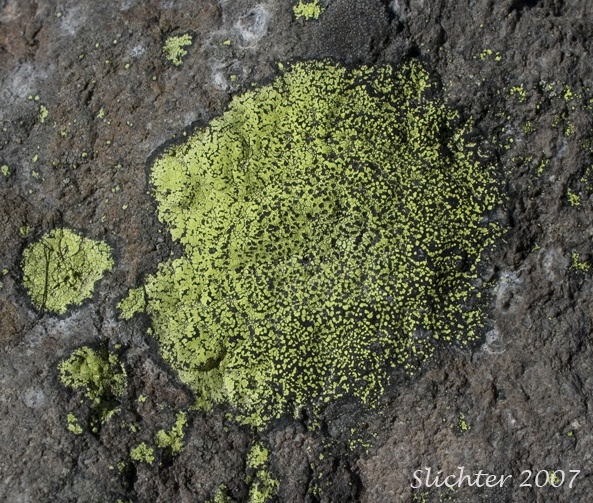
What is the name given to lichen or algae after a primary succession?
a)
pioneer species
b)
volunteer species
c)
founder species
d)
conqueror species
9.
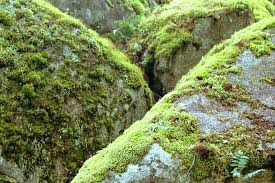
What are examples of pioneer species in a primary succession?
a)
Bushes and Shrubs
b)
Oak trees
c)
Mossess and Lichens
d)
A rose Bush
10.
After a volcanic eruption, lava covers the land. What is the order that plants grow to repopulate the area?
a)
Lichens → Shrubs → Grasses → Trees
b)
Lichens → tree → shrubs→Grasses
c)
Grasses → Lichens → Shrubs → Trees
d)
Lichens → Grasses → Shrubs → Trees
11.

Final illustration (#8) shows
a)
pioneer species
b)
climax community
c)
only biotic factors
d)
only abiotic factors
12.

Succession type?
a)
primary succession
b)
secondary succession
c)
tertiary succession
d)
variable succession
13.
Succession that occurs in an area with NO SOIL
a)
ecological succession
b)
primary succession
c)
secondary succession
d)
pioneer speciles
14.

a)
A
b)
B
c)
C
d)
D
15.

a)
A
b)
B
c)
C
d)
D
100 %

