
 Worksheets
Growing Colonies
Total questions: 45
Worksheet time: 29mins

Manufacturing, especially shipbuilding, was very important to the people in this region.
New England
Mid-Atlantic
Southern

In which region would you find plantations?
New England
Mid-Atlantic
Southern

This colonial region was founded mostly for religious freedoms, except New Hampshire where they settled for economic reasons due to fishing and shipping.
New England
Mid-Atlantic
Southern

Which statement about the Southern Colonies is true?
The cold, dry winters prevented the planting of many crops.
The warm, wet summers were good for growing tobacco.
The lack of rivers and streams hurt crops and trade.
The area was good for farming grains.

Which statement about the New England Colonies is true?
The cold, dry winters prevented the planting of many crops.
The warm, wet summers were good for growing tobacco.
The lack of rivers and streams hurt crops and trade.
The area was good for farming grains.

Who could've said, "I watch as more and more people arrive by boat and move onto the land that my tribe has hunted and lived on for years. I wonder how many more will come?"
American Indian
a large landowner
farmer
an artisan

Who could've said, "I spend my time cooking, cleaning, and raising my children?"
woman
farmer
indentured servant
an artisan

Which colonial region was known as the "Breadbasket" because of the amount of wheat it grew?
New England
Middle
Southern

In which colonial region were cash crops such as rice, indigo and tobacco grown and sold?
Southern
Middle
New England

In which colonial region was slave labor used for producing cash crops?
New England
Middle
Southern

What mountain range did the Proclamation of 1763 prohibit Colonist from crossing?
Rocky Mountains
Green Mountains
Cascade Mountains
Appalachian Mountains

Religious revival in the colonies?
Enlightenment
Great Awakening
Magna Carta
Holy Awakening

What treaty marked the end of France's power in America?
Treaty of London
Treaty of New France
Treaty of Paris
Treaty of Ohio River Valley
What was the main economic commodity (trading good) of the southern colonies?
Corn
Tobacco
Soybeans
Sunflowers
What was the term for the slave trade that predominantly serviced the southern colonies?
Colombian Exchange
Triangular Trade
Africa-America Exchange
Plantation Economic Trade
Which British leader sent money and supplies to North America to help them win the war?
William Pitt
Brad Pitt
Joseph Brant
General Sanders
Who controlled all the land WEST of the Appalachian Mountains BEFORE this war?
England
France
Spain
Netherlands
Which of the following was NOT involved in the French and Indian War?
Frace
Britain
Native Americans
Italy
What was a main reason(s) for the fight over the land west of the Appalachian Mountains?
Both France and Britain wanted control over the Ohio River Valley and France wanted to stop the British from going further.
Spain wanted to ally with France to gain more land.
Spain felt that Florida was too small for their trade routes.
They did not want any more Native American tribes to have any land, so France and Britain joined together to fight the Native Americans.
How did William Pitt change the, "Tide of War"?
He married a Native American woman and earned their trust.
He helped the French by sending them money and persuading the Natives to side with the French.
He sent supplies to the Native Americans to help them fight against both the French and the British.
He sent money to the British colonies, his best generals, and also paid the colonists to fight.
Why was the Albany Plan rejected?
It gave too much land to the French.
The colonies did not want to give up their individual power.
It gave the colonist no control over their government.
The colonist did not want to work with the Native Americans.
In the Treaty of Paris, after the French and Indian War, who gained control of Canada?
Britain
France
Spain
In the Treaty of Paris, after the French and Indian War, who gained control of all the land East of the Mississippi (except New Orleans)?
Britain
France
Spain
In the Treaty of Paris, after the French and Indian War, who gained control the islands in the Caribbean known as the West Indies?
Britain
France
Spain
In the Treaty of Paris, after the French and Indian War, who gained control of Florida?
Britain
France
Spain
In the Treaty of Paris, after the French and Indian War, who gained control of the territory west of the Mississippi including New Orleans?
Britain
France
Spain
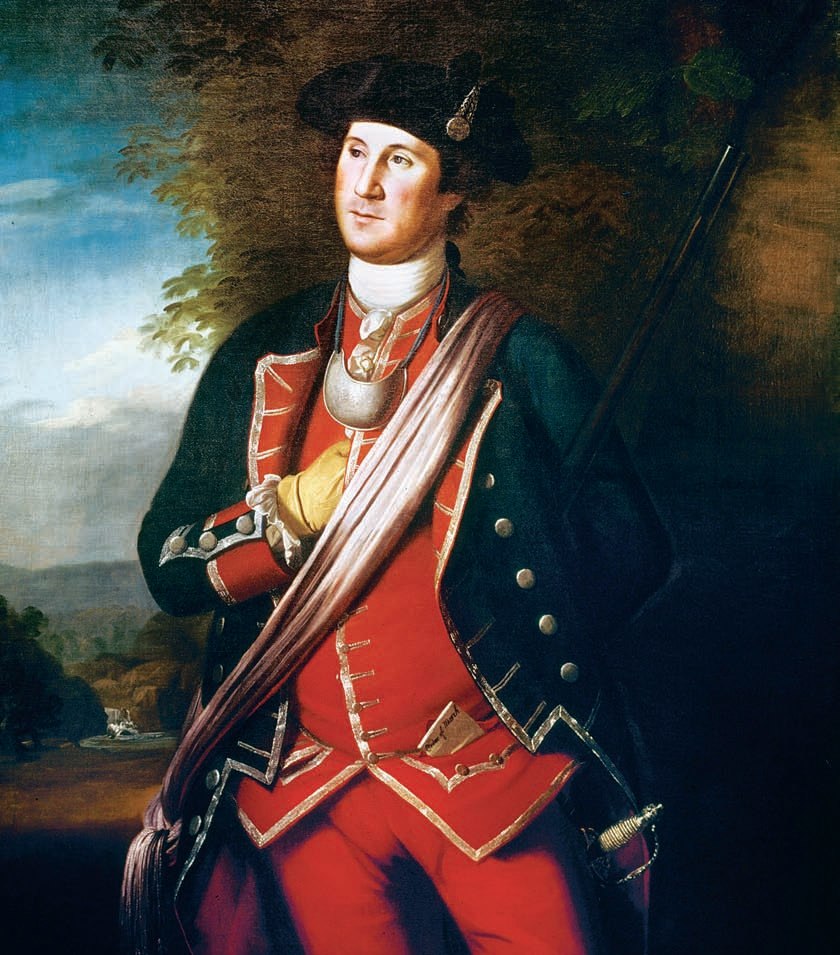

Why did Native Americans side with the French?
The Native Americans did not want the French to take their land.
The British and the Native Americans traded with each other.
The Native Americans and French Traded with each other.
The Native Americans did not want the British to take their land.

