
 Worksheets
Southern Middle Evolution
Total questions: 30
Worksheet time: 35mins

Which of these species is not extinct?
T Rex
Dodo bird
Mastadon
Bison

The peppered moth's color camouflaged it on the light colored tree bark. It's color was an example of a/n
Variation
Dominant trait
Recessive trait
Adaptation

Where are hereditary traits stored in all organisms?
In the blood
In the brain
In the DNA
In the heart

What do we see happening in this photo with the owl?
Extinction
Natural Selection
Camouflage
Embryology
Why might it be helpful for a species to have a lot of variations?
They can't be seen by predators
If the environment changes, they might be better able to adapt
It is helpful in asexual reproduction
They don't recognize each other

If a sick person takes an antibiotic but it doesn't kill all of the bacteria causing the sickness, what might explain this?
Variations in the bacteria allowed some organisms to be less affected by the antibiotic
Bacteria cannot be killed by antibiotics
You cannot cure a bacterial infection
Bacteria do not cause sicknesses

Changes in inherited characteristics can cause a species to change into a new one. This change over time is called?
Graduation
Selective Breeding
Revolution
Evolution

Which beak is probably best suited to crack open nuts?
1
2
3
4
Heredity is:
Survival of the fittest
The passing of genetic traits from parent to offspring
The change in allele frequency over time
Unexplained
Individuals can not evolve.
Mutations happen
when the environment changes
when the animal needs to adapt
at random
after adaptation
Peppered moths were able to adapt to their environment because
They decided to change colors in order to survive
The population had varying traits
Pollution covered the trees
The trees camouflaged all moths

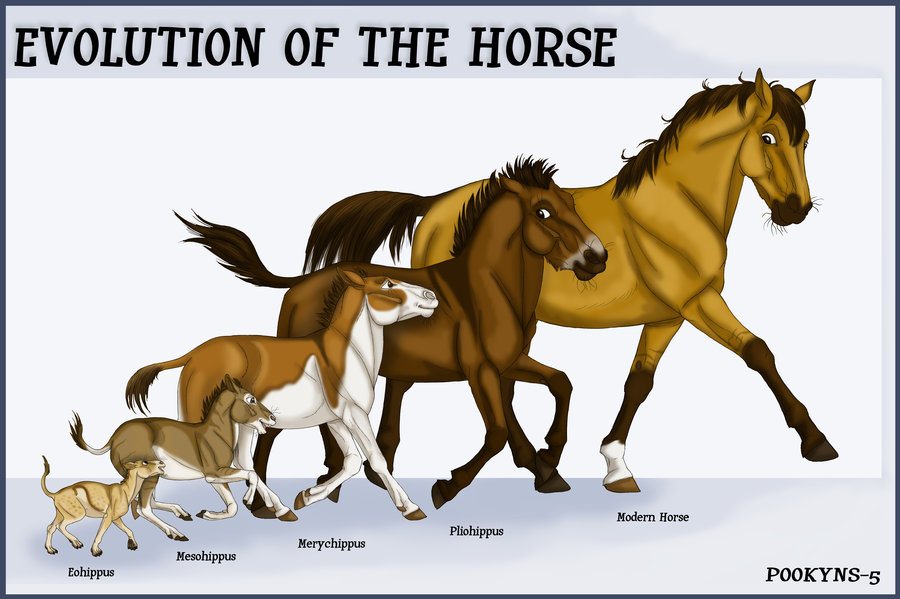
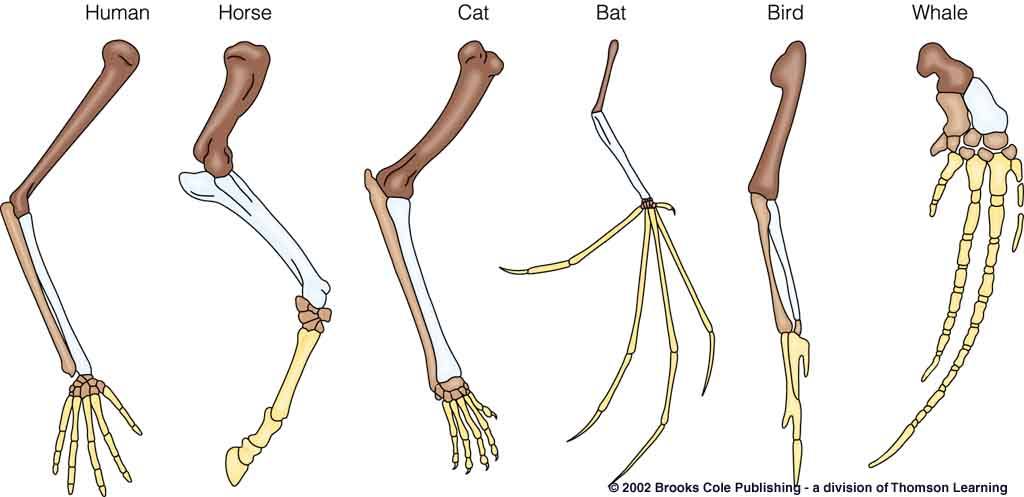
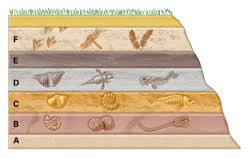
Recently, scientists have been able to use ___________to find common proteins and amino acids to determine how closely related species are.
DNA
Vestigial structures
Fossils
Homologous structures
When vertebrates are in the early stages of development (an embryo) they all possess....
gill slits and tails
backbone and hands
hands and feet
tongue and mouth
Which of the following are homologous structures?
whale flipper and bat wing
legs on a beetle and legs on a cat

50 million years ago, the Pakicetus had nostrils toward the front of it's skull Gray whales, modern-day descendants of the Pakicetus have nostrils toward the back of the skull. The Aetiocetus lived 25 million years ago, and it's nostril was in the middle of the skull. In this case, the Aetiocetus serves as a ______________.
index fossil
transitional fossil


