
 Worksheets
Unit 1.2 | 20th Century European Conflicts
Total questions: 23
Worksheet time: 18mins
Which country did the US and Soviets occupy after WWII in hopes of preventing future conflicts with each other.
Japan
Germany
Italy
Poland
This was a metaphor for the split between communist Eastern Europe and democratic Western Europe during the Cold War.
Iron Curtain
Space Race
Great Arms Race
Berlin Wall
__________________ was a 40+ year standoff between the superpower nations of the Soviet Union and the United States where both countries competed to prove their government, military, and technology was superior to the other. There was never an actual battle between the two.
WWII
The Great War
The Cold War
The Russian Revolution
This even led to the build-up of the US and Soviets miltaries as well as a race to stockpile increasingly deadly nuclear weapons.
The Great Arms Race
The Space Race
The Russian Revolution
The Korean War
This Cold War competition between the US and Soviets led to many great space-age technologies like cell phones, GPS, and satellite television.
Space Race
Great Arms Race
The Cold War
WWII
This was built in Soviet-controlled Berlin, Germany during WWII in an effort to prevent Eastern Germans from escaping to West Germany.
Berlin Wall
The Iron Curtain
The Great Wall of China
The Soviet Wall
The following traits describe which figure from the Russian Revolution?
-Wealthy Russian ruler from a dynasty over 300 years old.
-Ignored the basic needs of the peasants.
-Spent much of Russia's resources on the war effort in WWI.
-Reacted with violence against peasant protests.
-Was overthrown by the people and was forced into exile.
-He and his family were eventually murdered by their Bolshevik captors in 1918.
Vladimir Lenin
Czar Nicholas II
Karl Marx
Josef Stalin
The following traits describe which figure from the Russian Revolution?
-Led the Bolsheviks in the October Revolution of 1917.
-Believed communism was Russia's destiny.
-Promised the peasants food, land, and peace from WWI.
-Transformed Russia into the communist USSR.
-Used his secret police to threaten or kill his rivals.
Czar Nicholas II
Josef Stalin
Vladimir Lenin
Karl Marx
When did Russia exit WWI because of revolution in their own country?
1917
1914
1945
1939
The philosophy of ___________ by Karl Marx promotes a society with no social classes and values all workers equally. Citizens have no private property. It is the opposite of capitalism.
Czarism
Capitalism
Socialism
Communism
Which of the following was NOT a promise Vladimir Lenin make and deliver to the peasants in his pursuit of power during the Russian Revolution?
Bread. Bringing an end to Russia's food shortages.
Peace. Russia's exit from its involvement in WWI.
Land. Returning arable (farming) land to the peasants.
Conquest. Destroying Russia's enemies and taking new lands.
Which of the following statements is TRUE regarding Vladimir Lenin's rise to power and control of the Soviet Union?
Nearly all of Russia supported Vladimir Lenin and he easily took power and created the Soviet Union within weeks.
In order to gain full control, Lenin had to threaten or kill his rivals and even fight a civil war that lasted nearly three years.
Lenin was overthrown in the February Revolution and went into hiding. Czar Nicholas eventually took control and killed him.
Lenin was able to gain support for communism and the Soviet Union through secret aid/resources given to him by the US.
Vladimir Lenin was eventually able to take control of Russia and transform it into the communist Soviet Union or USSR in the early 1920s. What does USSR stand for?
United Socialist Soviet Republic
United Soviets for Socialist Russia
United States of Socialist Russia
United Socialists of Stalin's Republic
What was the most significant and lasting change from the conflict of the Russian Revolution and the rise of the communist Soviet Union?
Many other nations around the world began to embrace communism.
The USSR was able to quickly conquer much of Europe and Asia.
The US and western Europe would slowly begin to transition to communism.
The communist Soviet Union was directly responsible for starting WWII.
The Russian Revolution of 1917 was actually two major revolutions in one year in which Russia's government changed three times. Select the correct way it changed below.
Monarchy>>>Democracy>>>Communist
Democratic>>>Communist>>>Monarchy
Communist>>>Monarchy>>> Democracy
Communist>>>Democracy>>>Monarcy
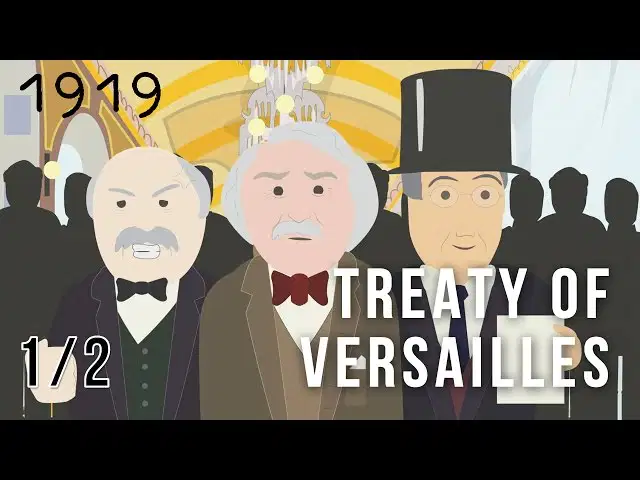
Select THREE (3) requirements of the Treaty of Versailles on Germany.
Pay billions of dollars in reparations to the Allies.
Drastically reduce its military capabilities.
Surrender large portions of its territories.
Split its land into two distinct countries, East German and West Germany.
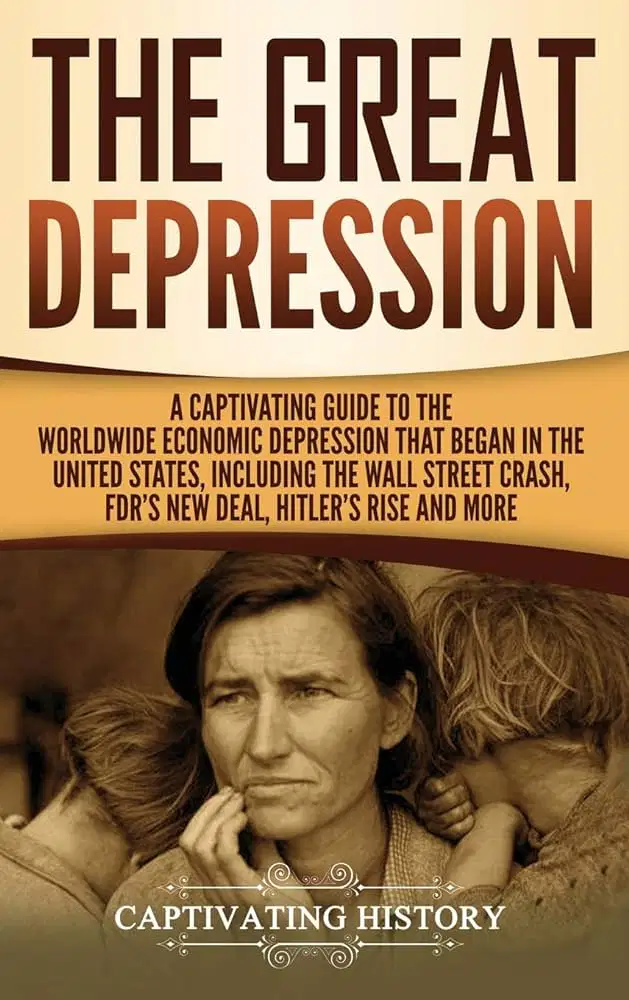
How did the Great depression help lead to the rise of Nazi leader, Adolf Hitler?
The Great Depression caused Germany to become more economically stable, which increased support for Hitler
The Great Depression created economic and social instability in Germany. Allowing Hitler to rise to power by promising to restore the country's economy and national pride.

Which of the following was NOT a way Adolf Hitler gained support among the German people?
He promised to revoke the requirements of Treaty of Versailles on Germany.
He gave passionate speeches promising economic recovery by building up the military.
He made promises of social equality and justice for people like the Jews and communists.
He used propaganda throughout Europe promoting German nationalism and blaming Jews for German issues.

What was the goal of Great Britain and France's policy of "appeasement" regarding Adolf Hitler?
To provoke Hitler into starting another world war.
To impose economic trade barriers on Germany.
To avoid another war by giving in to Hitler's demands.

Reorder the following 5 major events of WWII in chronological order.
Adolf Hitler invades neighboring Poland using his Blitzkrieg strategy. France and Great Britain declare war on Germany.
1939
In response to the US embargo, Japanese warplanes attack the US naval base at Pearl Harbor, Hawaii. The US declares war on Japan. Germany and Italy declare war on the US days later.
1941
Germany attacks the Soviet Union at Stalingrad during the harsh Russian Winter. Germany suffers its first major defeat, 600,000 German soldiers are killed or captured.
1942-1943
over 110,000 Allied troops cross the English Channel at secure the German-held beaches of Normandy France. Allowing the Allies to open up a western front against Germany.
1944
In an effort to bring a quick end to the war, the US drops atomic bombs on Hiroshima and Nagasaki, Japan. Japan surrenders days later and WWII ends.
1945

What was Hitler's plan for his "Final Solution"?
Systematically exterminate the Jewish population and other minority groups during the Holocaust.
Encourage the Jewish population to emigrate to other countries.
Provide reparations to the Jewish population for their suffering.
Create a peaceful resolution with the Jewish population.
Which of the following is NOT one of the reasons that contributed to the collapse of the Soviet Union in 1991?
The of the Berlin Wall and the reunification of Germany
The Chernobyl Nuclear Power Plant Meltdown
Communism made the Soviet economy very weak.
The Soviet spent too much money on the military, nuclear weapons, and the Space Race.
The United States defeated the Soviets at the Battle of Moscow.
Which choice places the major 20th century European conflicts in correct chronological order?
WWI>>>WWII>>>The Holocaust>>>The Russian Revolution>>>The Cold War
The Holocaust>>>The Russian Revolution>>>The Cold War>>>WWI>>>WWII
WWI>>>The Russian Revolution>>>The Holocaust>>>WWII>>>The Cold War
The Cold War>>>The Russian Revolution>>>WWI>>>WWII>>>The Holocaust

