wayground logo

Free Printable Worksheets

Font size

S
M
L
XL
Worksheets

2nd 9 week review

Total questions: 35

Worksheet time: 37mins

Name
Class
Date
1.
An organism that is killed and eaten by another organism
a)
Predator
b)
Prey
c)
Competition
d)
Adaptation
2.
Barn owls hunt shrews. In this example what is a barn owl?
a)
Herbivore/Predator
b)
Carnivore/Prey
c)
Carnivore/Predator
3.
Which of the following would be considered to be prey?
a)
an animal that has to hunt for its food
b)
an animal that is eaten by another animal
c)
an organism that makes it own food
d)
an organism that feeds on the blood of another animal
4.
A consumer that hunts is called:
a)
a producer.
b)
an omnivore.
c)
a predator.
d)
a herbivore.
5.
What role does the mouse play?
a)
Predator
b)
Prey
6.
Which of the following is a herbivore?
a)
cricket
b)
frog
c)
hawk
d)
shrew
7.
How many carnivores are shown in this food web?
a)
6
b)
4
c)
5
d)
3
8.

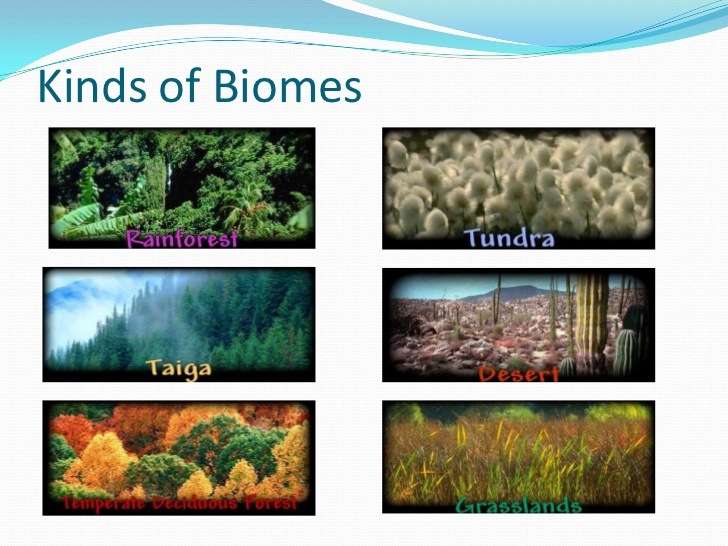
Which biome is the driest? It receives less than 10 inches of rain a year.

a)

desert

b)

grassland

c)

deciduous forest

d)

tropical rain forest

9.

In which biome would you find permafrost? This is the layer of soil that is frozen all the time.

a)

coniferous forest (taiga)

b)

desert

c)

tundra

d)

grassland

10.

In which biome would you find giraffes and elephants?

a)

desert

b)

deciduous forest

c)

savanna

d)

tundra

11.

In which biome would you find the best soil? It is called the “Breadbasket of the United States.

a)

grassland

b)

tundra

c)

desert

d)

tropical rain forest

12.

Which biome has the worst soil because so much vegetation grows there that are the nutrients are in the trees and plants?

a)

tundra

b)

desert

c)

tropical rain forest

d)

grassland

13.
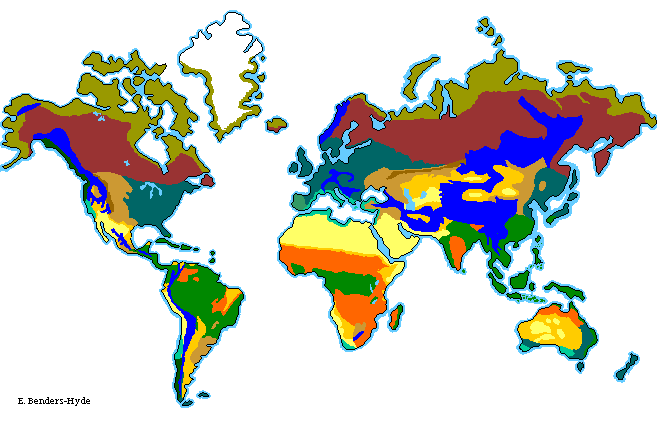
What is the main factor that separates the biomes?
a)
Land
b)
Water
c)
Climate
d)
Longitude
14.
A large ecosystem is called a ______
a)
Ecosystem
b)
Habitat
c)
Biome
d)
Niche
15.
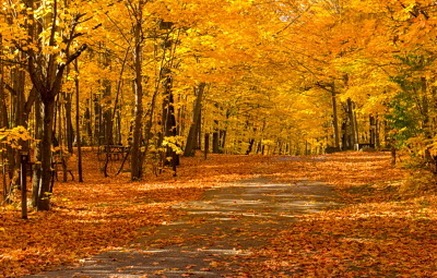
Which biome has deciduous trees (which lose their leaves)?
a)
Temperate Forest
b)
Rainforest
c)
Grasslands
d)
Taiga
16.
Which biome has the most variety of plants and animals?
a)
Temperate Forest
b)
Rainforest
c)
Tundra
d)
Grasslands
17.
What is the correct order of organization
a)
tissues-cells-organs-organ systems-organism
b)
cell-tissue-organs-organ systems-organism
c)
organism-cells-tissues-organ systems-organism
d)
tissues-cells-organs-organ sytems-organism
18.
Water temperature would be an example of ...
a)
a biotic factor.
b)
an abiotic factor.
19.
A collection of organisms that belong to different populations but all live in the same area and interact with one another.
a)
Population
b)
Ecosystem
c)
Community
d)
Ecosphere
20.
A place where an organism lives.
a)
Terrain
b)
Habitat
c)
Community
d)
Population
21.
A collection of organisms that make up a community as well as all of the nonliving aspects of the environment.
a)
Population
b)
Community
c)
Habitat
d)
Ecosystem
22.
The role or function or job of a species in a community.
a)
habitat
b)
diet
c)
niche
d)
ecosystem
23.

Two organisms that are so similar they can interbreed in nature and produce fertile offspring.

a)

biotic factor

b)

herbivore

c)

ecosystem

d)

species

24.
What are the biotic factors in this image?
a)
sunlight, elephants, and grasses
b)
sunlight, water,  and air
c)
elephants, plants, trees 
25.

What level of organization can be seen here?

a)

Species

b)

Population

c)

Community

d)

Ecosystem

26.
What level of organization can be observed in the image?
a)
Species
b)
Population
c)
Community
d)
Ecosystem
27.

What are three examples of a biotic factors?

a)

skunk

b)

rocks

c)

bacteria

d)

water

e)

coral

28.

How does an amoeba move?

a)

It uses cilia.

b)

It uses a flagellum.

c)

It uses pseudopods.

d)

It cannot move.

29.

The long, whip-like structure which helps some protists move is called the ______________.

a)

cilia

b)

flagellum

c)

tail

d)

pseudopod

30.
The direction of the flow of energy in a food web is represented by ___.
a)
Light bulbs
b)
Dotted Lines
c)
Arrows
d)
Bubbles
31.
Which of these is an example of an autotroph?
a)
Sunflower
b)
Krill
c)
Leopard
d)
Hummingbird
32.
Consumer that eats plants
a)
heterotroph
b)
herbivore
c)
producer
d)
community
33.
A connection of food chains with many food energy paths in an ecosystem is a ____________
a)
ecosystem
b)
food web
c)
environment
34.
A frog eats a fly. The frog and fly are demonstrating ________.
a)
mutualism
b)
competition
c)
predator/prey
d)
parasitism
35.
What percentage of energy is passed on to each tropic level?
a)
10%
b)
50%
c)
90%
d)
100%