
 Worksheets
14.3 Wave Behaviour ม5
Total questions: 10
Worksheet time: 3mins

The moving black dot is called:
a node
an anti-node
an anti-amplitude
the wangy bit

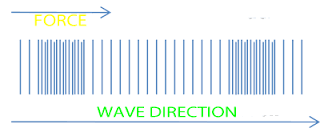
This picture is an example of which type of wave?
transverse wave
longitudinal wave
ocean wave
I do not know and do not wish to answer.
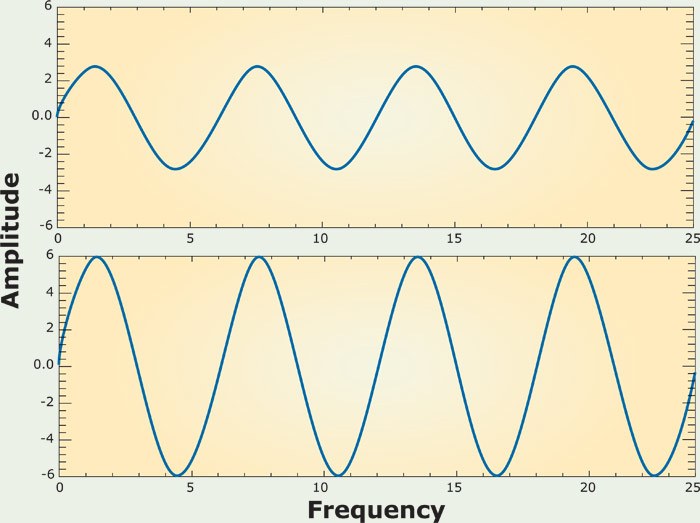
When waves meet, and form either a larger or smaller amplitude. What is this called?
Radiation
Interference
Diffraction
Microwaves
Waves can meet and form a smaller amplitude. If this occurs, it is called ___________ interference.
Constructive
Destructive
Diffractive
Refractive

Standing waves are created by
Two identical waves reflecting off each other
Two identical waves being diffracted together
Two identical waves move through each other in opposite directions
Two identical waves are diffracted from two identical sources
In the diagram which letters represent the nodes
A B C
A C E
B D
B D E
A C D

