wayground logo

Free Printable Worksheets

NEW

Font size

S
M
L
XL
Worksheets

Inheritance, Variation and Evolution

Total questions: 50

Worksheet time: 27mins

Name
Class
Date
1.

Passing of features from the offsprings are called as...

a)

Keys

b)

DNA

c)

Genes

d)

Inheritance

2.

What characteristic would a child NOT inherit from the parents?

a)

Freckles

b)

Eye colour

c)

Hair style

d)

Dimples

3.

Which sentences are FALSE?

a)

Humans are made up of 23 pairs of chromosomes.

b)

Human are made up of 46 chromosomes.

c)

Chromosomes is made up of cytoplasm.

d)

Chromosomes is located in the nucleus

4.

The process in which a cell splits in two...

a)

Cell nucleus

b)

Cell division

c)

Replication

d)

Inherit

5.

What is the abbreviation for deoxyribonucleic acid?

a)

RNA

b)

DOA

c)

DNA

d)

DBN

6.

The purpose of selective breeding is...

a)

get bigger animals

b)

Get smaller animals

c)

Create animals with desired traits

d)

Create animals with bad traits

7.

The disappearance of a species.

a)

Evolution

b)

Extinction

c)

Migration

d)

Mutation

8.
What are small stretches of DNA that code for traits
a)
Nucleus
b)
Chromosomes
c)
Gene
d)
Centromeres
9.
Where is all the genetic information in a cell?
a)
Nucleus
b)
Nucleotides
c)
Chromosomes
d)
Cytoplasm
10.
What does DNA stand for?
a)
Deoxyribonucleic Acid
b)
Deoxyribose Enzymes
c)
Deoxyribose Messenger 
d)
Retro deoxyribose Acis
11.
Which of the following would be coded in your DNA?
a)
proteins and hormones
b)
athletic ability
c)
reading and speaking
d)
dance routines
12.

What are the four bases of DNA?

a)

ATGC

b)

ATDC

c)

GCAS

d)

DNAB

13.

Who is this?

a)

Emily Pankhurst

b)

Marie Curie

c)

Rosalind Franklin

d)

Amelia Earheart

14.

What is the function of the X and Y chromosomes?

a)

Eye colour

b)

Hair colour

c)

Height

d)

Sex

15.

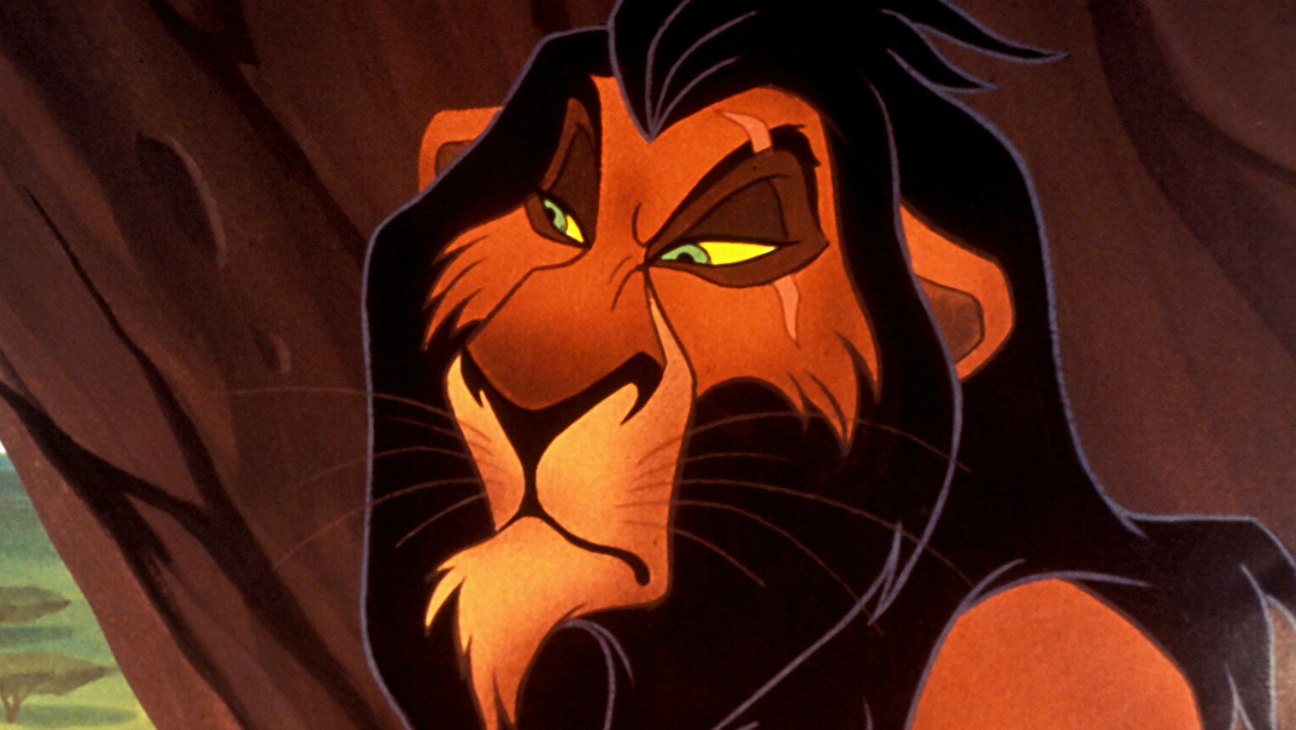
Why does Scar have a scar but his brother Mufasa does not?

a)

Mufasa did not inherit it

b)

The scar gene skipped a generation

c)

The scar is an environmental trait

d)

Mufasa is not his brother

16.

What is the percentage of a woman having a male child?

a)

25%

b)

50%

c)

75%

d)

100%

17.
What type of RNA carries the DNA message out of the nucleus to the ribosomes?
a)
mRNA
b)
tRNA
c)
rRNA
18.
Amino acids are the building blocks of...
a)
atoms
b)
DNA
c)
proteins
d)
a loving relationship
19.
Which of the following is the smallest unit of life that can carry out all life functions?
a)
the mitochondria
b)
the vacuoles
c)
the nucleus
d)
the cell
20.
What is the function of the cell nucleus found in both plant and animal cells?
a)
to produce energy
b)
to control cell activity
c)
to remove waste products
d)
to allow molecules to enter the cell
21.
Fruit fly body cells have 8 chromosomes. After mitosis, you would expect a resulting fruit fly daughter cell to have ...
a)
16 chromosomes.
b)
46 chromosomes.
c)
8 chromosomes.
d)
4 chromosomes.
22.
The process by which the nuclear material is divided equally between two new cells
a)
mitosis
b)
cancer
c)
spindle
d)
centromere
23.

Variation in the cells/organisms produced...

a)

Mitosis

b)

Meiosis

24.

An exact copy of a cell/organism is produced...

a)

Mitosis

b)

Meiosis

25.

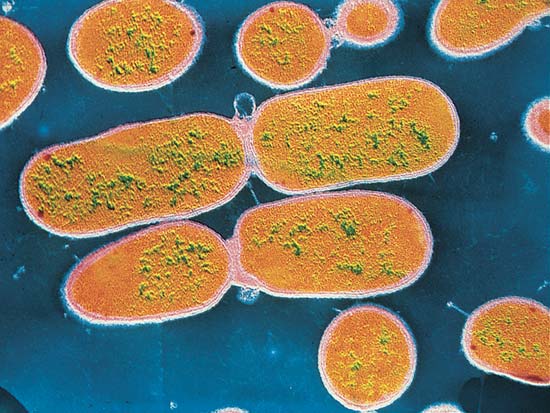
Some bacteria reproduce asexually, so they have...

a)

offspring identical to the parents.

b)

offspring unlike the parents.

26.

Brown Bears reproduce sexually, so all the baby bears are...

a)

different.

b)

the same.

27.

Identical copies are most related to...

a)

Mitosis and Sexual Reproduction

b)

Meiosis and Asexual Reproduction

c)

Mitosis and Asexual Reproduction

d)

Meiosis and Sexual Reproduction

28.

Unique and different offspring is...

a)

Mitosis and Sexual Reproduction

b)

Meiosis and Asexual Reproduction

c)

Mitosis and Asexual Reproduction

d)

Meiosis and Sexual Reproduction

29.

Asexual Reproduction requires...

a)

One Parent only.

b)

Two Parents.

30.

Sexual Reproduction requires...

a)

One Parent only.

b)

Two Parents.

31.

The fact that a baby is different from the parents...

a)

Meiosis.

b)

Mitosis.

32.
a)
Mitosis
b)
Meiosis
33.

If an organism produces offspring identical to itself...

a)

Meiosis.

b)

Mitosis.

34.
How many parents does asexual reproduction involve?
a)
one 
b)
two
c)
three
d)
four
35.
The offspring from asexually reproduced organisms are?
a)
Different than their parents
b)
Identical to parents
c)
Like a combination from both parents
d)
A different species
36.
If two organisms reproduce sexually, then their offspring will exhibit a genetic makeup that is -
a)
identical to only one parent
b)
identical to all of its siblings
c)
a unique combination of traits
d)
the recessive traits of each parent
37.
Prokaryotes (bacteria) reproduce asexually via -
a)
spore formation
b)
bud creation
c)
vegetative propagation
d)
binary fission
38.
When comparing the offspring of sexually and asexually reproducing organisms, we would expect the genetic material (DNA) of the sexually reproducing organism to -
a)
contain fewer mutations
b)
be lesser in quantity
c)
be simpler overall
d)
show more variation
39.
The genetic material of an offspring of sexually reproducing organisms is best described as–
a)
identical to that of the other offspring
b)
a copy of the genetic material of the mother
c)
a copy of the genetic material of the father
d)
genes from both parents, in unique combinations
40.
What disease is characterized by abnormally shaped red blood cells?
a)
hemophilia
b)
sickle cell anemia
c)
phenylketonuria
d)
Huntington's 
41.
Which genetic disorder is caused by a dominant allele?
a)
Huntington's
b)
Hemophilia
c)
Cystic fibrosis
d)
PKU
42.
This genetic disorder is inherited by a recessive allele found on the X chromosome.
a)
PKU
b)
Cystic fibrosis
c)
Down's syndrome
d)
Hemophilia
43.

What is the effect of sickle-cell anemia?

a)

blocked respiratory pathways

b)

decreased neurological functions

c)

inefficient oxygen transportation

d)

susceptibility to contracting malaria

44.

A man carrying the allele for Huntington’s disease marries a woman who is homozygous recessive for the allele. What is the probability that their offspring will develop Huntington’s disease?

a)

25 percent

b)

50 percent

c)

75 percent

d)

100 percent

45.
Some genetic disorders are caused by what?
a)
alleles
b)
Mutations in the DNA of genes
c)
Phenotype
d)
Genotype
46.
A genetic disorder is an abnormal condition that a person inherits through genes or chromosomes?
a)
True
b)
False
47.
Females have ____ and males have _____ chromosomes.
a)
XX, XY
b)
XY, XX
c)
XX, XX
d)
XY, XY
48.
Cystic fibrosis is a genetic disorder in which the body produces abnormally thick ______ in the lungs and intestines?
a)
Skin
b)
Muscle
c)
Blood
d)
Mucus
49.
Which of the following disorders is contagious and can be transmitted through contact:
a)
Achondroplasia
b)
Cystic Fibrosis
c)
Huntington's 
d)
none of the above
50.
What genetic disorder causes the body to produce unusually thick mucus in the lungs and intestines? 
a)
Cystic Fibrosis
b)
Sickle Cell
c)
Down Syndrome
d)
Hemophilia