
NEW
Font size
S
M
L
XL
 Worksheets
Conservation of Mass
Total questions: 15
Worksheet time: 12mins
Name
Class
Date
1.
Measure of the amount of matter
a)
mass
b)
volume
c)
weight
d)
density
2.
Smallest unit of an element
a)
compound
b)
atom
c)
molecule
d)
product
3.
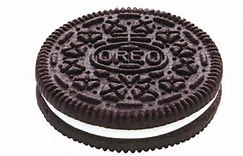
An oreo cookie weighs 20 grams. It gets crushed into crumbs for a recipe. How much do its crumbs weigh?
a)
15 grams
b)
25 grams
c)
20 grams
4.

How much does a 5 gram Hershey's kiss weigh after it is melted in the microwave?
a)
5 grams
b)
3 grams
c)
7 grams
5.
If reaction starts with 20g of reactants it should produce...
a)
a total of 40g of product
b)
a total of 10g of product
c)
a total of 80 g of product
d)
a total of 20g of product
6.
In a reaction A + B ----> C, reactant A has 5g and product C has 9g. How many grams does reactant B should have?
a)
4g
b)
5g
c)
9g
d)
14g
7.
What will weigh more when a chemical change is complete? The reactants before the chemical reaction, or the product after the reaction is complete?
a)
They both will weigh the same
b)
The product always weighs more than the reactant
c)
The reactant will weigh more than the product
d)
They both will loose mass after the reaction
8.
At the end of chemical reactions, what is the total mass of the reactants compared to the total mass of the products?
a)
the product is doubled
b)
the product is half the mass of the reactants
c)
the mass is the same
d)
the mass changes depending on the reaction
9.
A 500-gram block of solid cheese is melted in a pot. Which is most likely the mass of the cheese after it is melted?
a)
500 grams, because the cheese does not gain or lose mass just because it was melted
b)
499 grams, because some of the cheese evaporates as it melts
c)
502 grams, because the cheese absorbs heat as it melts
10.
A 55-gram egg is placed in a pot. After the egg is boiled, which is most likely the mass of the egg?
a)
50
b)
55
11.
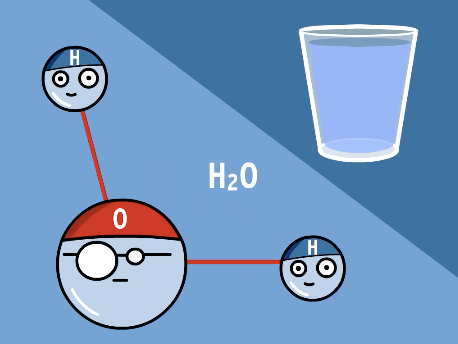
4 grams of hydrogen and 32 grams of oxygen will combine to form:
a)
36 grams of water
b)
28 grams of hydroxide
c)
32 grams of oxygen
d)
36 grams of deuterium
12.
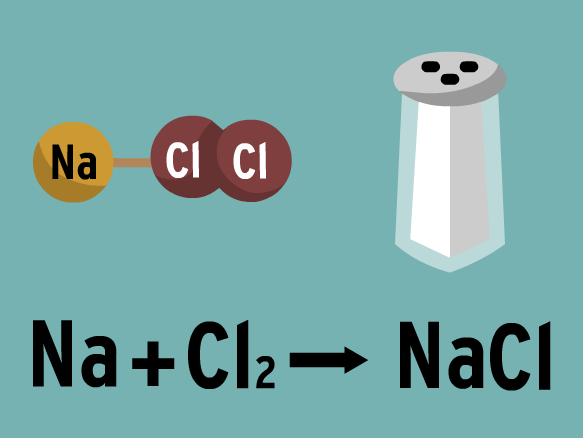
In a chemical reaction, 4 grams of sodium must combine with how many grams of chlorine to produce 10 grams of table salt?
a)
4 grams
b)
6 grams
c)
8 grams
d)
10 grams
13.
The principle of conservation of mass is true for
a)
Physical Changes
b)
Chemical Changes
c)
Neither
d)
Both
14.
If 20g of reactant form 15g of product, how much gas was produced?
a)
15g
b)
5g
c)
20g
d)
0g
15.
If 50g of reactant forms 40g of product, what happened to the other 10g?
a)
It was destroyed
b)
Mass was not conserved
c)
It escaped as gas
Reset

