wayground logo

Free Printable Worksheets

Font size

S
M
L
XL
Worksheets

Midterm Review

Total questions: 63

Worksheet time: 21mins

Name
Class
Date
1.

This was a time in Europe that focused on a new interest in art, learning, and human achievements.

a)

Reformation

b)

Middle Ages

c)

Renaissance

d)

Enlightenment

2.

This Renaissance artist is renowned for his painting of the Sistine Chapel ceiling, and sculptures such as David.

a)

Leonardo da Vinci

b)

Michelangelo

c)

Donatello

d)

Raphael

3.

This Renaissance Man was an artist, scientist, and inventor.

a)

Leonardo da Vinci

b)

Michelangelo

c)

Donatello

d)

Raphael

4.

This German inventor developed the first printing press with movable type in Europe around the year 1450.

a)

Johannes Gutenberg

b)

Albrecht Durer

c)

Pieter Bruegel

d)

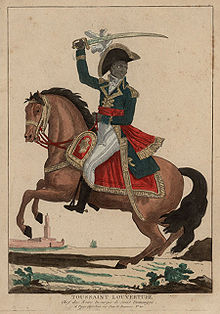
Hans Holbein

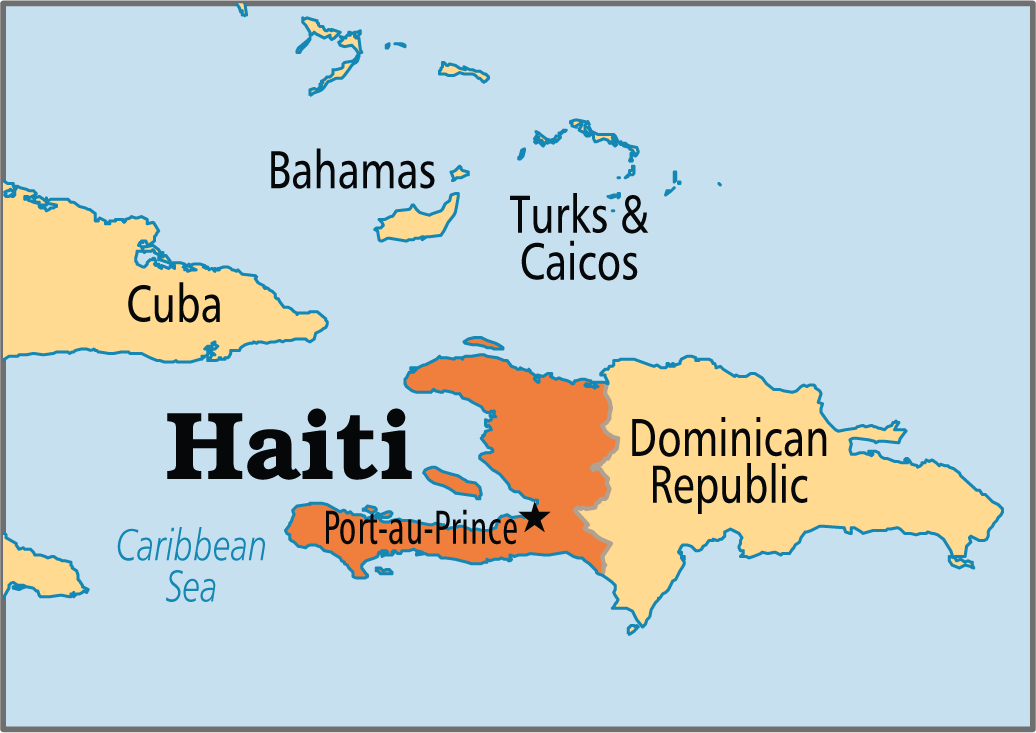
5.

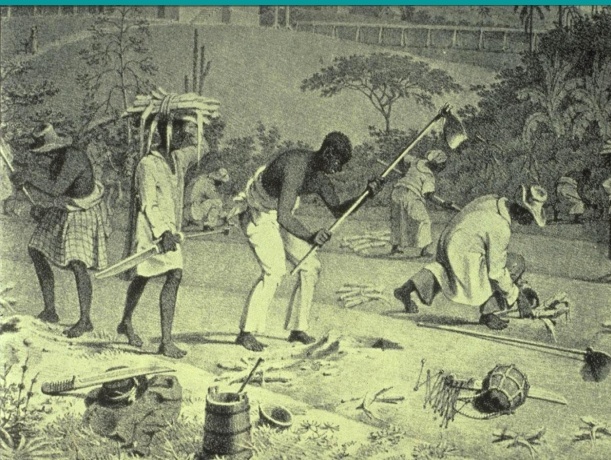
What did Renaissance artists study to help make their art look more real?

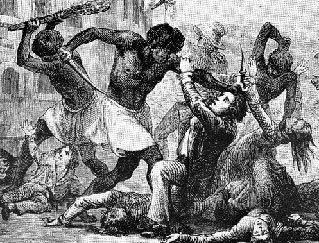
a)

Anatomy

b)

Architecture

c)

Mathematics

d)

Perspective

6.

This was a reform movement against the Catholic Church.

a)

Protestants

b)

Reformation

c)

Renaissance

d)

Enlightenment

7.

What was the name of the document given by the pope that excused a person form sin?

a)

Excommunication

b)

Indulgence

c)

Heresy

d)

Purgatory

8.

What name was given to those who sided with Martin Luther and protested against the Catholic Church?

a)

Protestants

b)

Missionaries

c)

Jesuits

d)

Inquisition

9.

Which reformer taught the idea of predestination?

a)

Martin Luther

b)

William Tyndale

c)

John Calvin

d)

King Henry VIII

10.

Which reformer translated the Bible into English?

a)

Martin Luther

b)

William Tyndale

c)

John Calvin

d)

King Henry VIII

11.

Which individual started the Protestant Reformation by nailing his 95 Theses to a church door?

a)

Martin Luther

b)

William Tyndale

c)

John Calvin

d)

King Henry VIII

12.

Which individual split with the Catholic Church because he wanted a divorce and declared himself the head of the Anglican Church?

a)

Martin Luther

b)

William Tyndale

c)

John Calvin

d)

King Henry VIII

13.

What disease traveled to Europe through the trade routes and devastated the population in the mid-1300s?

a)

Ebola

b)

Bubonic Plague

c)

Chicken Pox

d)

Spanish Flu

14.

The Industrial Revolution lasted roughly from

a)

1650 - 1950

b)

1750 - 1850

c)

1950 - 2000

d)

1250 - 1350

15.

The Industrial Revolution started in

a)

Germany

b)

Britain

c)

the USA

d)

Mexico

16.
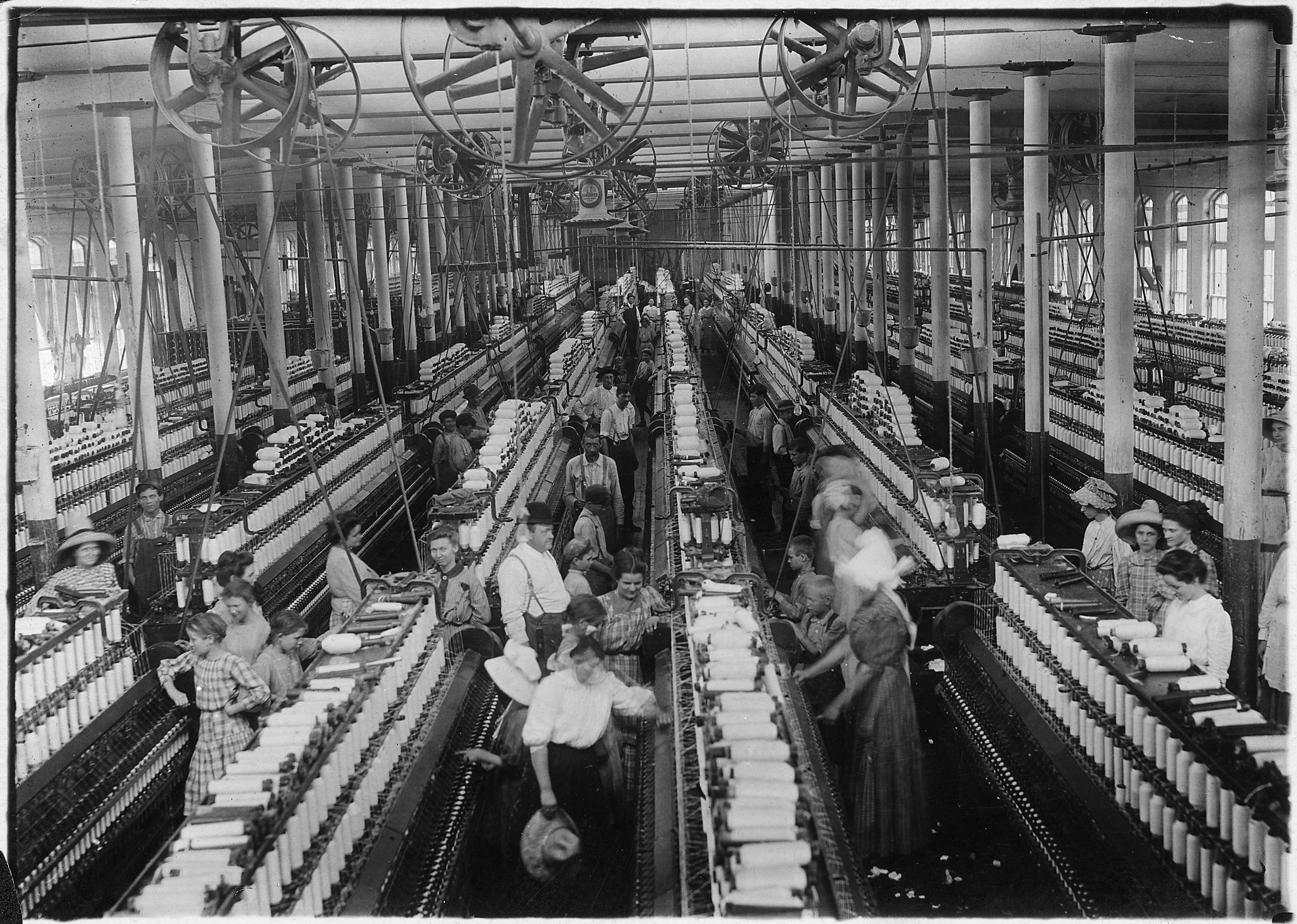
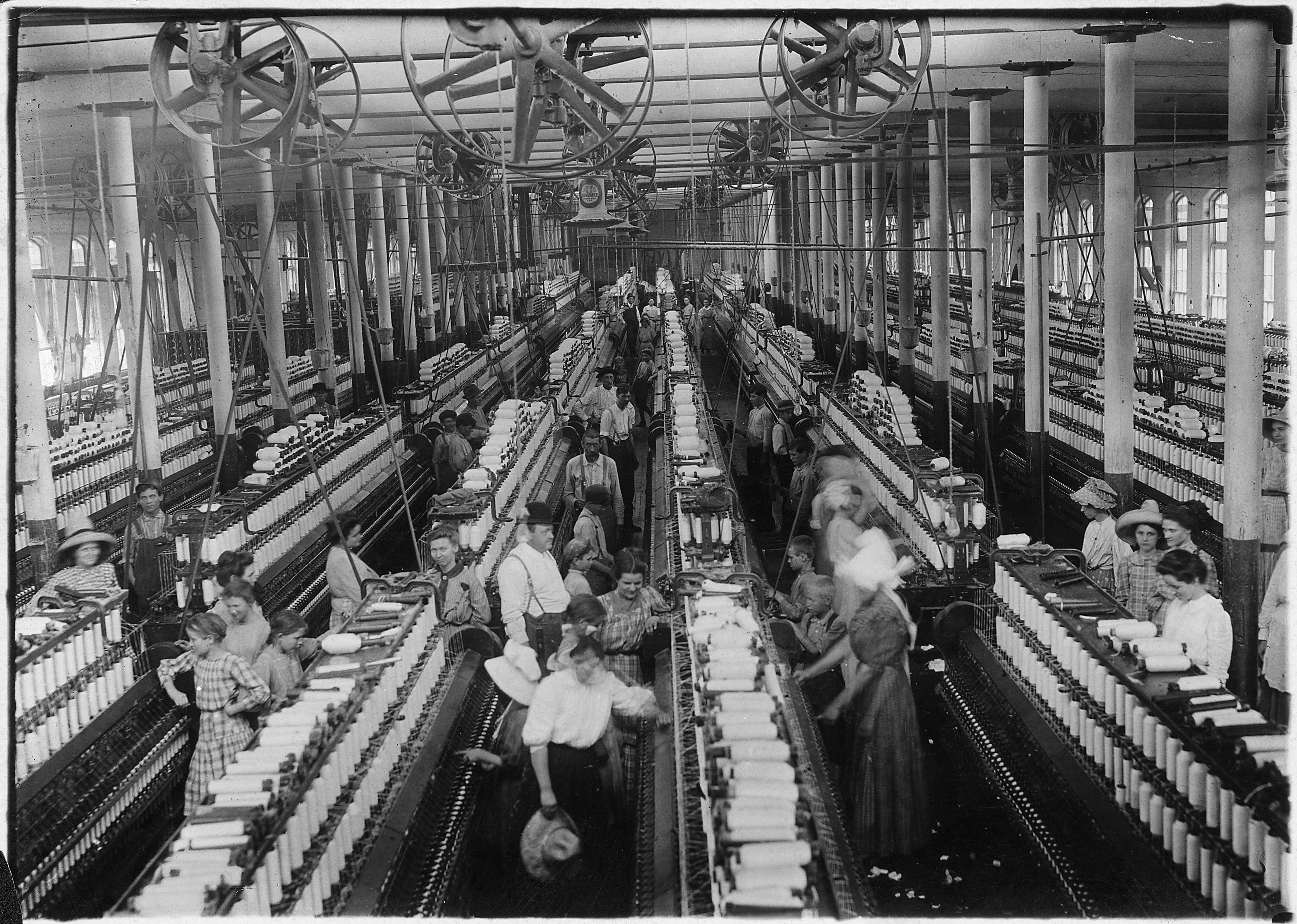
the process of moving from an agricultural society, in which most goods are handmade, to a society that thrives on machine-manufactured goods
a)
textile
b)
economy
c)
industrialization
d)
technology
17.
fabric that is woven
a)
technology
b)
textile
c)
economy
d)
industrialization
18.
the way that a society or nation produces and distributes goods and services
a)
textile
b)
economy
c)
technology
d)
industrialization
19.
In what country did the Industrial Revolution begin?
a)
United States
b)
France
c)
Great Britain
20.
Where were most factories built?
a)
in the mountains
b)
in the desert
c)
along rivers
21.
Who invented the first cotton-spinning mill?
a)
Eli Whitney
b)
Robert Fulton
c)
Francis Cabot Lowell
d)
Samuel Slater
22.
Which of the following was NOT associated with early factory working conditions?
a)
Low wages
b)
Safe working conditions
c)
Dangerous working conditions
d)
Widespread pollution
23.
Mass production led to:
a)
Products being more superior in quality
b)
goods became less expensive
c)
laborers received higher wages
d)
industries moved to rural areas
24.
This machine allowed factories to be built anywhere, powered by coal.
a)
flying shuttle
b)
steam engine
c)
spinning jenny
d)
cotton gin
25.
Why did people move to the cities during the Industrial revolution?
a)
Jobs in factories
b)
Jobs on the farm
c)
Family
d)
Friends
26.

Turkeys are native to.....

a)

Benjamin Franklin

b)

The Americas

c)

Europe

d)

Africa

27.

the Columbian Exchange was the exchange of plants, animals and diseases between.... (read all options)

a)

the Americas and Europe

b)

Asia and Europe

c)

the Old World and the New World

d)

Lynwood and Compton

28.

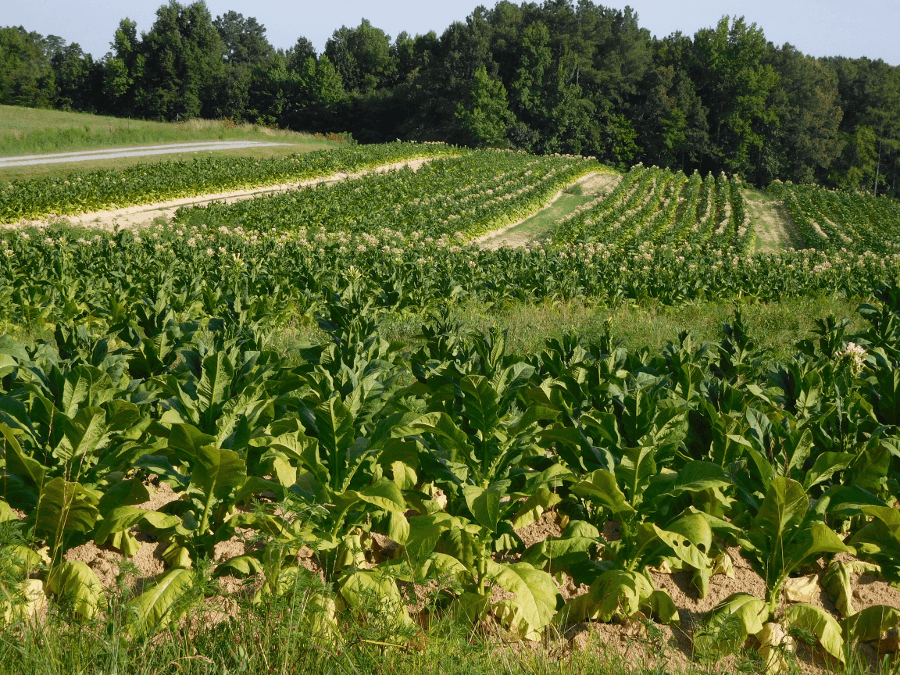
the exchange of tobacco, sugar cane and the death from disease led to

a)

many deaths

b)

a larger population

c)

more money for luxuries

d)

slavery

29.

Government body in England that eliminated Common Land laws

a)

Congress

b)

Parliament

c)

Umma

d)

Estates-General

30.

what provides for the needs of society in Capitalism?

a)

Invisible Hand

b)

Foot Binding

c)

Copper Hand

d)

Mercantilism

31.
Government control of industry.
a)
Capitalism
b)
Socialism
32.
No class system.
a)
Capitalism
b)
Socialism
33.
Division between the proletariate and bourgoisie.
a)
Capitalism
b)
Socialism
34.
Mercantilism can best be described as what?
a)
the idea that a colony should be self sufficient and able to provide for itself
b)
the idea that a nation needs to strongly equip its colonies to defend itself in case of foreign attack
c)
the idea that the religion of a colony should differ from the religion of the mother country
d)
the idea that a nation�s power is related to its wealth and needs a favorable balance of trade with its colonies
35.
France was deep in debt because
a)
money spent on the American Revolution
b)
Marie Antoinette's lavish spending
c)
the 1st and 2nd estates did not pay taxes
d)
all of the above
36.
The First Estate in French society was composed of 
a)
the Clergy
b)
people with special courts
c)
people who did not pay taxes
d)
all of the abve
37.
The Second Estate was composed of 
a)
Church leaders
b)
Nobility
c)
Peasants
d)
none of the above
38.
Who tried to create their own government and vowed to write their own constitution?
a)
The National Assembly
b)
King Louis XVI
c)
The Clergy
d)
The emigres
39.

The French Revolution was inspired by _______________ thinkers.

a)

Scientific Revolution

b)

Clergy

c)

Enlightenment

d)

Revolutionary

40.

About what portion of France's population belonged to the Third Estate?

a)

2 percent

b)

50 percent

c)

75 percent

d)

97 percent

41.

What did the National Assembly promise to do in the Tennis Court Oath?

a)

To execute the king

b)

To write a new constitution

c)

To stage a Coup d'etat

d)

To make France independent

42.

What charter, passed by the National Assembly, officially destroyed the inequality of the Old Regime?

a)

The Declaration of the Rights of Man and of the Citizen

b)

Constitution of 1791

c)

Tennis Court Oath

d)

Declaration of Independence

43.
Enlightened thinkers based their philosophical beliefs on what two things?
a)
power and privilege
b)
money and fame
c)
good looks and charm
d)
reason and logic
44.
Enlightenment philosopher who believed people had natural rights of life, liberty, and property.
a)
John Locke
b)
Montesquieu
c)
Rousseau
d)
Voltaire
45.
Enlightenment philosopher who believed to limit government, that it should be divided into separate branches that shared power.
a)
John Locke
b)
Montesquieu
c)
Rousseau
d)
Voltaire
46.
Natural Rights
a)
Life, Liberty, and the Pursuit of Happiness.
b)
Life, Liberty, and Property
c)
Freedom
d)
Rights to say what we want, when we want to.
47.
Enlightenment philosophers believe that if government abuses power the people should change it.
a)
True
b)
False
48.
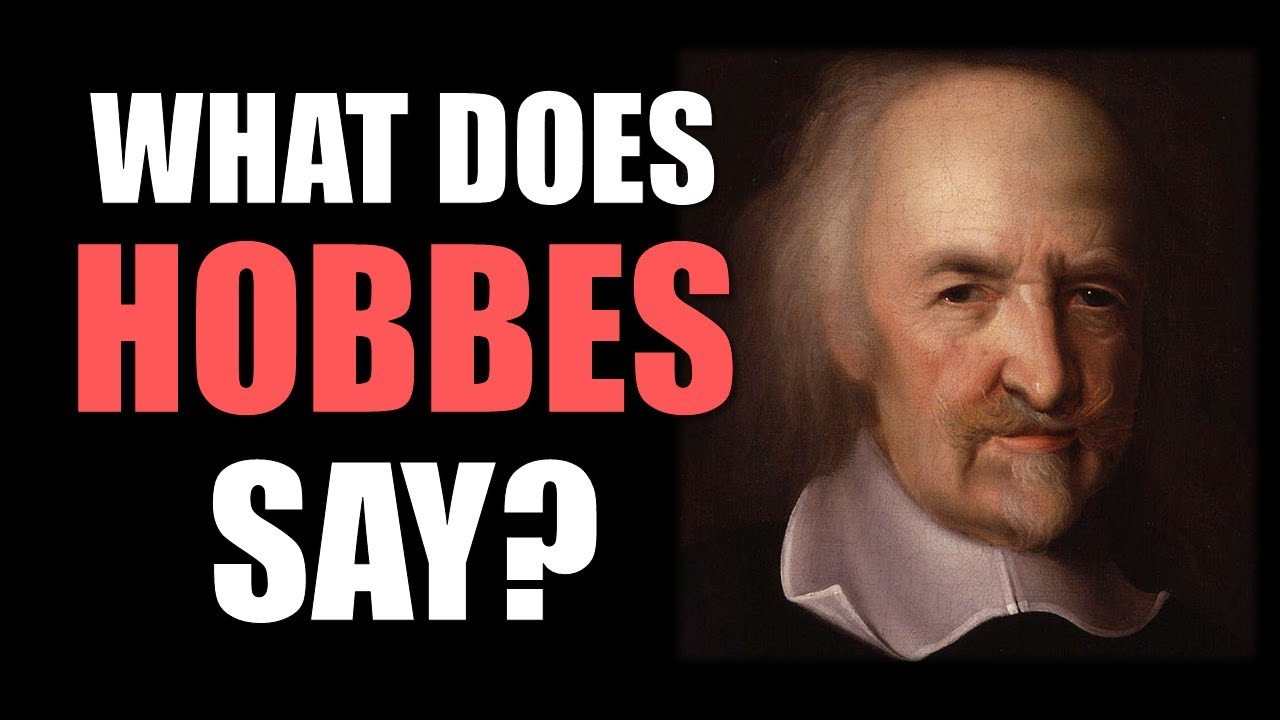
How did Hobbes view human nature?
a)
We are inquisitive and industrious.
b)
We are naturally selfish and quick to fight.
c)
We are naturally altruistic and usually willing to compromise.
d)
We are born a 'blank slate', and we develop differently according to our life's experiences..
49.
The idea that the earth is the center of the universe is the ___________ theory.
a)
geocentric
b)
heliocentric
c)
earthcentric
d)
world's worst
50.
 _____________________ was an Italian astronomer who developed the telescope, which then confirmed Copernicus’ Heliocentric Theory 
a)
a. Isaac Newton
b)
b. Galileo Galilei 
c)
c. Adam Smith
d)
d. Dennis Diderot
51.
What is empirical evidence?
a)
Evidence based on observation and experimentation
b)
Evidence based on religious beliefs and faith
c)
Evidence based on common sense
d)
Evidence based on Ptolemy
52.
Which crops were exported from Haiti?
a)
Coffee and Sugar
b)
Tea and Salt
c)
Rubber and Coal
d)
Tobacco and Cotton
53.

Who was the leading general of the Haitian Revolution?

a)

Napoleon Bonaparte

b)

Jean Jacques Dessalines

c)

Hidalgo

d)

Toussaint L'Ouverture

54.

What was the original name of Haiti?

a)

Turks

b)

St. Domingue

c)

Brazil

d)

Cuba

55.

The slave labor force on Haiti was about ________ people.

a)

2,000

b)

150

c)

500,000

d)

30,0000

56.

Why did the Haitian Revolution start?

a)

The revolution started because of slaves wanting social equality and freedom.

b)

The Haitian Revolution was influenced by the French Revolution

c)

All of the above

d)

The Haitian Revolution was influenced by the American Revolution
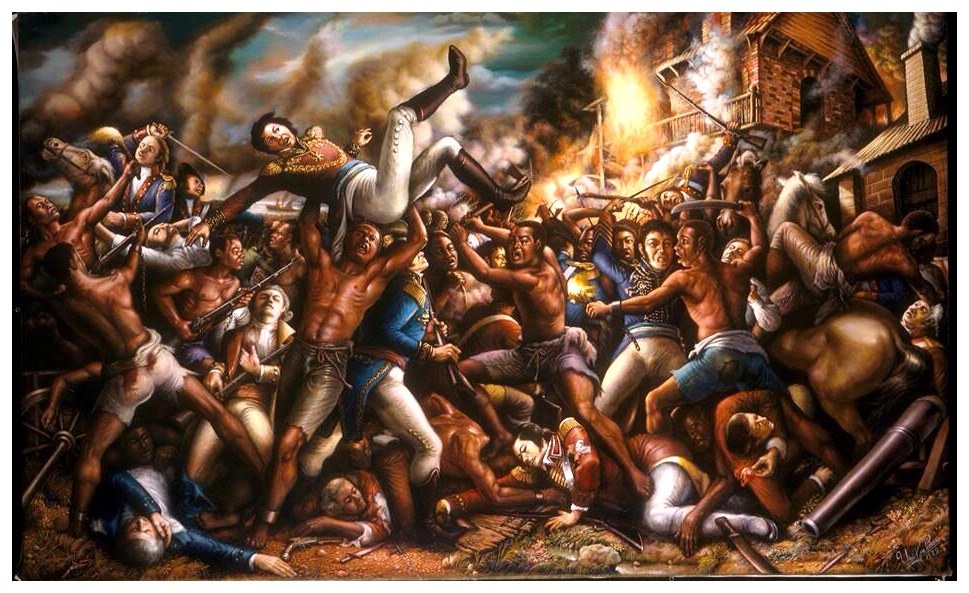
57.
What type of tactics did Touissant L'Overture use?
a)
Naval attacks
b)
battlefield tactics
c)
trench warfare
d)
guerilla warfare
58.

By the late 18th century, slaves made up ____% of the population of Saint-Domingue (Haiti).

a)

90%

b)

80%

c)

70%

d)

60%

59.
To avoid losing the war for Saint-Domingue (Haiti) against Spain and Britain, the French
a)
enlisted slaves in the French army in exchange for their freedom.
b)
granted land to all Petit Blancs who contributed to the war effort.
c)
issued an official decree freeing all the slaves in the colony.
d)
troops retreated and granted independence to Saint-Domingue (Haiti).
60.
What group was at the top of the Latin American social hierarchy?
a)
Creoles
b)
Mestizos
c)
Peninsulares
d)
Mulattos
61.
The desire of people with the same language, history, and customs for self-rule is known as _____________.
a)
Racism
b)
Nationalism
c)
Militarism
d)
Alliances
62.
By the end of 1824, nearly all of ____________ had successfully revolted and won independence.
a)
South America
b)
North America
c)
England
d)
France
63.
Which historical figure best completes this chart comparing revolutionary leaders?
a)
Father Miguel Hidalgo
b)
T'oussaint L'Ouverture
c)
Jose de San Martin
d)
Simon Bolivar